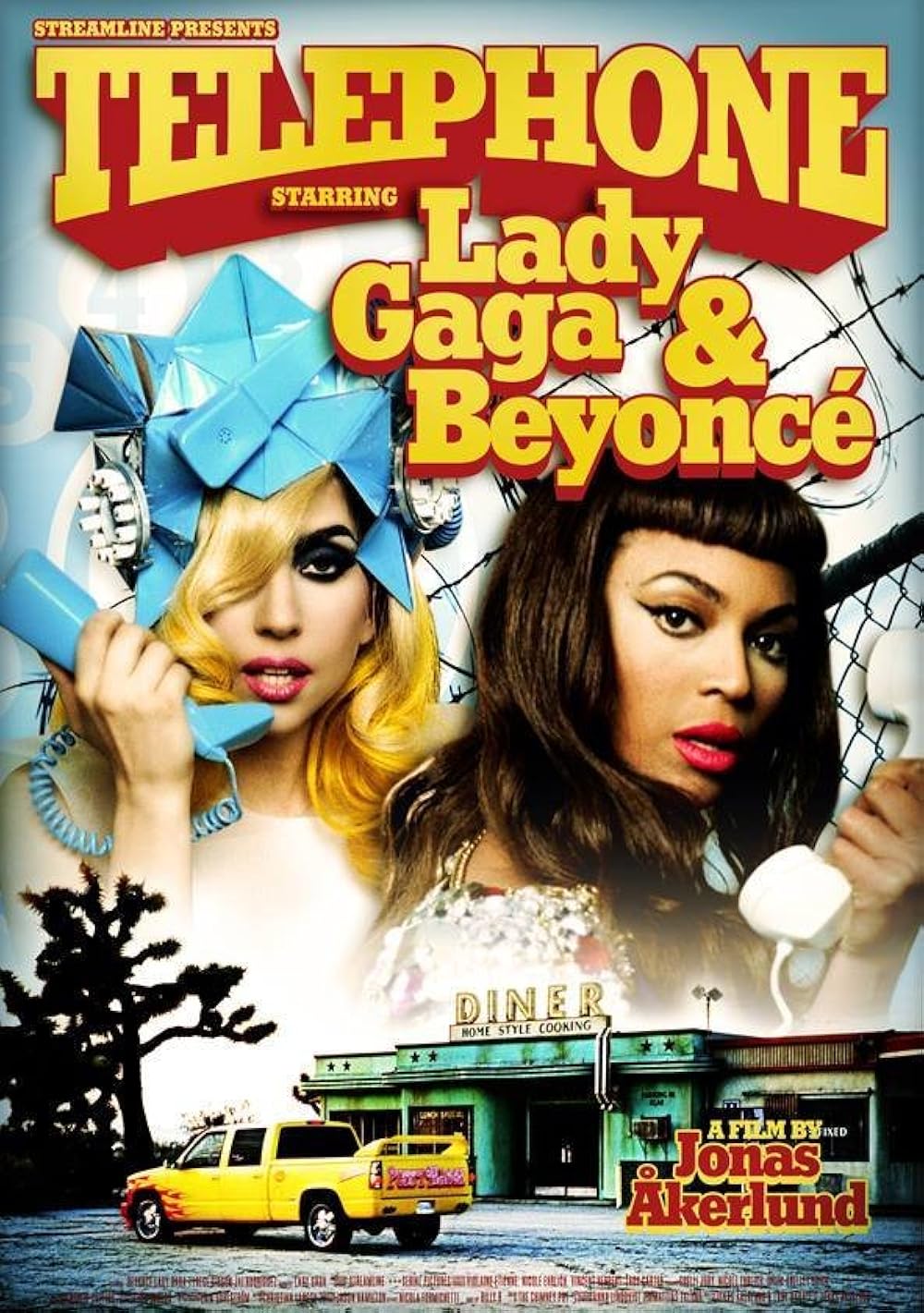
Lady Gaga – Telephone ft. Beyoncé
Lady Gaga Telephone ft. Beyoncé remains one of those songs that feels bigger than a normal pop collaboration. Released in 2010 as part of Lady Gaga’s The Fame Monster era, the song brought together two of the biggest female stars in modern pop music and turned a simple story about wanting to escape an unwanted phone call into an explosive combination of dance, fashion, attitude, celebrity culture and visual storytelling. More than a decade after its release, Lady Gaga Telephone ft. Beyoncé still sounds like a record designed to make people stop what they are doing and pay attention.
The first thing that makes Telephone so memorable is the combination of Lady Gaga and Beyoncé. Both artists had already established themselves as powerful performers before the song arrived, but they represented slightly different sides of pop music. Gaga was known for her theatrical personality, unpredictable fashion, electronic dance sound and willingness to challenge conventional ideas about pop stardom. Beyoncé, meanwhile, had built a reputation around exceptional vocals, commanding stage presence, polished performances and an ability to move comfortably between R&B, pop and dance music. Putting these two artists together created an immediate sense of anticipation.
The song itself is built around an energetic dance pop production that refuses to sit quietly in the background. From its opening moments, Telephone establishes a sense of urgency. The production is bright, aggressive and heavily electronic, while the rhythm gives the song the kind of momentum associated with a packed dance floor. It is music that wants movement. Even when the listener is not paying close attention to the lyrics, the beat, vocal delivery and repeated hooks make the record difficult to ignore.
At the centre of Telephone is the idea of being overwhelmed by constant communication and wanting to disconnect from it. Gaga uses the telephone as more than an ordinary object. It becomes a symbol of pressure, distraction and unwanted demands. The person on the other end of the line wants attention, but the protagonist is more interested in enjoying herself and escaping the situation. That idea has become even more interesting with time because modern life has become increasingly dependent on phones, notifications, messages, social media and constant availability.
This is one reason Telephone continues to feel relevant. When the song was released, smartphones and social media were already changing the way people communicated, but the level of digital interruption experienced today is significantly greater. People can be contacted almost anywhere and at any time. Work follows people home. Social media notifications compete for attention. Messages can arrive during meals, meetings, holidays and personal moments. In that environment, the central desire of Telephone to simply stop answering becomes surprisingly relatable.
Lady Gaga’s performance gives the song its distinctive personality. Her voice is not presented as a delicate instrument floating over a gentle production. Instead, she approaches the song with attitude and theatrical confidence. There is a sense that she is performing a character while also exaggerating her own celebrity persona. Her delivery fits perfectly with the chaotic production because both the voice and the instrumental arrangement seem determined to keep moving.
Then Beyoncé enters, and the energy changes without destroying the momentum of the record. Her appearance gives Telephone another layer of star power while providing a strong contrast to Gaga. Beyoncé’s vocal delivery is confident and controlled, but she also embraces the exaggerated personality of the song. Her presence makes the collaboration feel like an event rather than simply another guest appearance on a pop album.
One of the most effective elements of Telephone is the chemistry between the two artists. They do not sound like two singers competing for attention. Instead, their different styles complement each other. Gaga brings theatrical unpredictability, while Beyoncé contributes a more commanding and polished performance style. The contrast helps the song maintain its personality from beginning to end.
The production also deserves considerable credit. Telephone was created during a period when electronic dance pop was becoming increasingly dominant in mainstream music. Instead of trying to hide behind complicated musical arrangements, the song embraces rhythm, repetition and memorable vocal moments. The production is deliberately larger than life. It is designed for clubs, radio, concerts and visual performance.
That visual performance aspect becomes especially important when discussing Telephone because the song is inseparable from its famous music video. Directed by Jonas Åkerlund, the video turns the track into a short cinematic experience filled with outrageous costumes, dramatic scenes, exaggerated characters, colourful imagery and dark humour. It continues the storyline established in Gaga’s Paparazzi video, making Telephone part of a larger visual universe.
The video also features Beyoncé in the role of Honey Bee, and her character adds another dimension to the story. The partnership between Gaga and Beyoncé becomes more than a musical collaboration because the two artists appear to exist within the same strange, chaotic world. Their friendship and criminal escapades in the video transform the song into something that feels closer to a mini film than a conventional music video.
The visual style is intentionally excessive. Food, fashion, cars, prison imagery, bright colours and provocative costumes all compete for the viewer’s attention. At first glance, it may seem like pure visual chaos, but that chaos is part of Gaga’s artistic identity. She has always understood that pop music can be experienced through sound, image, performance and personality simultaneously.
Another fascinating aspect of Telephone is its relationship with celebrity culture. Gaga and Beyoncé were not simply promoting a song. They were playing with the idea of celebrity itself. The video presents fame as something glamorous, dangerous, ridiculous and theatrical all at once. The characters are larger than life, yet they are also trapped inside a world where appearances matter.
The song also benefits from its refusal to take itself too seriously. There is a certain humour running through Telephone even when the production sounds intense. The exaggerated storyline and personalities prevent the record from becoming overly serious. That balance between high production value and playful absurdity is part of what made the song stand out.
From a songwriting perspective, Telephone succeeds because its central idea is extremely easy to understand. You do not need to analyse complicated poetry to understand the frustration behind the song. Someone wants to be left alone, but another person refuses to stop calling. The simplicity allows the production and performances to carry much of the emotional weight.
This simplicity is actually one of the song’s greatest strengths. Pop music often becomes more effective when it can communicate an idea immediately. Telephone does exactly that. Within seconds, the listener understands the mood, the conflict and the attitude. The song does not require several listens before its personality becomes apparent.
There is also something timeless about its message of wanting control over one’s attention. In a world where people are constantly expected to respond immediately, ignoring a phone call can almost feel rebellious. Telephone turns that everyday frustration into a glamorous pop anthem.
The commercial and cultural impact of Lady Gaga Telephone ft. Beyoncé also helped establish the song as one of the defining collaborations of its era. Both artists were already global superstars, but the combination of their names created enormous attention. The song became one of those pop records that people remembered not only because of the music but because of everything surrounding it.
It is also difficult to discuss Telephone without acknowledging the influence of its era. The late 2000s and early 2010s produced a particular type of pop music that embraced huge choruses, electronic production, celebrity collaborations and visually ambitious music videos. Telephone represents that period almost perfectly. Listening to it today can feel like stepping back into an era when a music video could become a genuine cultural event.
However, the song has aged better than many records from that period because its core energy remains intact. Some songs depend heavily on a particular production trend and eventually sound dated. Telephone certainly carries the sonic fingerprints of its era, but the performances are strong enough to keep the record alive. Gaga’s theatrical delivery and Beyoncé’s commanding presence prevent the song from becoming merely a nostalgic dance track.
The collaboration also demonstrates an important lesson about pop music. Sometimes the most effective partnerships happen when artists do not attempt to sound identical. Gaga and Beyoncé brought different identities to Telephone, and that difference became part of the attraction. Instead of blending into one indistinguishable sound, their personalities remain recognisable.
For fans of Lady Gaga, Telephone represents many of the qualities that made her early career so fascinating. It is bold, dramatic, colourful, theatrical and unapologetically strange. For Beyoncé fans, it provides another example of her ability to enter a different musical world without losing her own identity. For casual listeners, it is simply an energetic pop song with an unforgettable visual identity.
The music video arguably gives the song an even longer life. Many music videos disappear from public memory once their promotional cycle ends, but Telephone remains frequently discussed because of its cinematic approach and its memorable partnership between Gaga and Beyoncé. The video feels like a piece of pop culture history.
Ultimately, Lady Gaga Telephone ft. Beyoncé is more than a catchy dance pop song. It is a snapshot of an important moment in mainstream music, a powerful collaboration between two extraordinary performers and an exploration of something surprisingly ordinary: the desire to escape constant demands for attention. Gaga and Beyoncé take that simple idea and turn it into an extravagant piece of pop entertainment.
The song works because everything about it is deliberately big. The beat is big. The personalities are big. The performances are big. The fashion is big. The music video is big. Even the concept is presented with the kind of exaggeration that makes Gaga’s work so recognisable.
Years after its release, Telephone still has the ability to create the same reaction it was designed to create: movement. You hear the beat and immediately recognise the song. You see Gaga and Beyoncé together and remember the cultural moment. You watch the video and are reminded of an era when music videos could feel like miniature blockbusters.
That is ultimately the greatest strength of Lady Gaga Telephone ft. Beyoncé. It does not try to be ordinary. It does not apologise for its excess. It takes pop music, celebrity culture, fashion, dance and visual storytelling and throws everything into one unforgettable experience. Whether you discovered it when it was first released or are hearing it years later, Telephone remains a powerful reminder that the best pop collaborations are not always about creating something safe. Sometimes they are about putting two enormous personalities in the same room and letting the chaos become the art.
Lady Gaga – Telephone ft. Beyoncé
Recommended: Earn From Your Phone
- Easy Dollar Maker — earn in dollars uploading AI images and videos from your phone ($17). Check it out
- Video Editing Blueprint for Beginners — learn video editing and start creating content ($10). Check it out
- CapCut Pro (Lifetime Access) — the pro video editor for your TikToks and music videos ($3.40). Check it out
Disclosure: These are affiliate links. If you buy through them, I may earn a commission at no extra cost to you.