
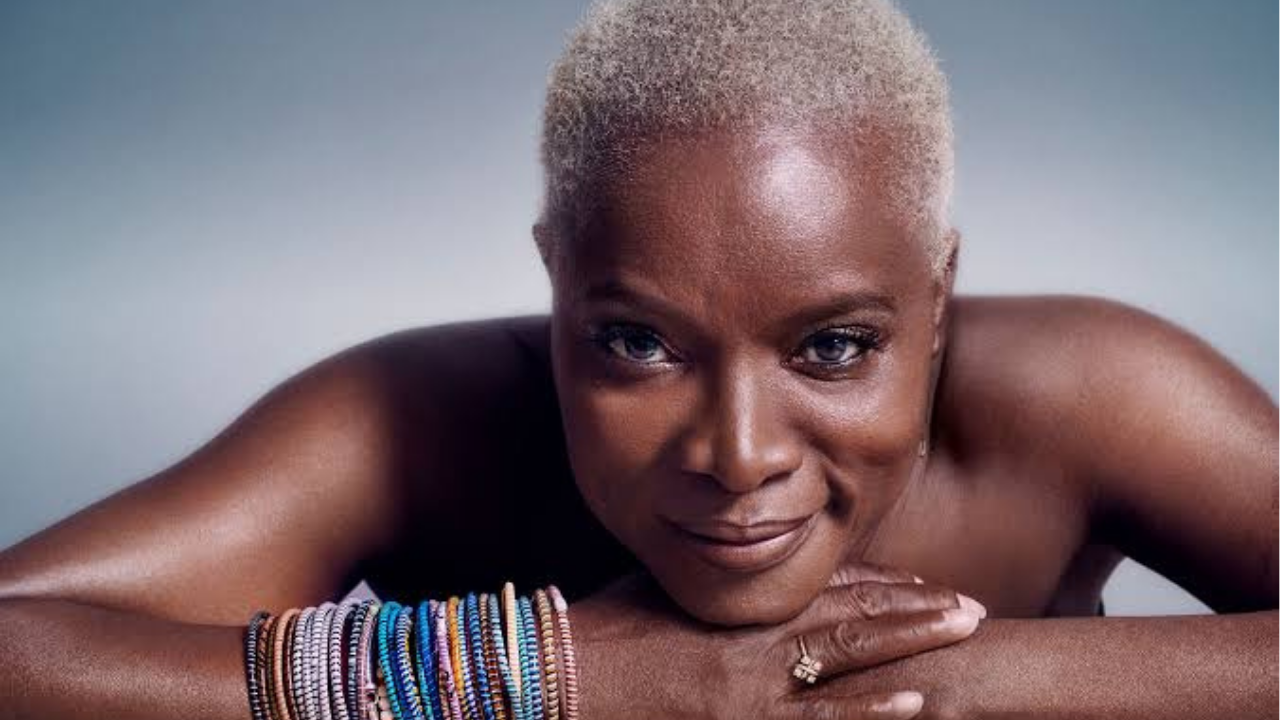
Angelique Kidjo
Angelique Kidjo
Angélique Kidjo is one of the most influential African musicians of all time, celebrated for her powerful voice, genre-blending artistry, and decades-long commitment to cultural preservation and humanitarian activism. Born in Benin, West Africa, she rose from modest beginnings to become an international ambassador of African music, consistently breaking boundaries between continents, languages, and musical traditions. Her career spans over four decades, during which she has evolved from a regional star into a globally respected artist whose work bridges traditional African rhythms with jazz, funk, R&B, Latin music, and Western pop influences.
Angélique Kidjo was born on July 14, 1960, in Ouidah, a historic coastal town in what was then French Dahomey (now Benin). She was raised in a culturally rich environment, with her father working as a musician and her mother as a choreographer and theater director. This artistic household exposed her early to music, dance, and storytelling traditions. Her mother, in particular, played a significant role in shaping her artistic identity by encouraging discipline and creativity. Kidjo often recalls performing in her mother’s theatrical productions as a child, which helped her develop confidence and stage presence at an early age.
Growing up in post-colonial West Africa, Kidjo was exposed to a diverse range of musical influences. Traditional Beninese music, especially the Yoruba and Fon rhythms, formed the foundation of her musical identity. At the same time, she was introduced to Western pop, soul, and rock music through radio broadcasts and records, including artists such as James Brown, Aretha Franklin, and Jimi Hendrix. These contrasting influences would later define her signature fusion style.
Despite her artistic upbringing, Kidjo’s early life was shaped by political and social instability. Education was highly valued in her family, and she initially pursued a more traditional academic path. However, political unrest in Benin during the late 1970s and increasing restrictions on artistic expression prompted her to consider leaving the country in search of broader opportunities. She eventually relocated to Paris, France, in 1983, a move that marked a turning point in her life and career.
In Paris, Kidjo faced the challenges common to many African immigrants: cultural adjustment, financial hardship, and the struggle to establish herself in a competitive music industry. She initially worked various jobs while studying music at the CIM (Centre d’Informations Musicales), one of Paris’s respected jazz schools. There, she refined her vocal technique, learned music theory, and expanded her understanding of global musical styles. It was also in Paris that she met producer Jean Hebrail, who would become her husband and long-time collaborator.
Kidjo’s professional music career began to take shape in the mid-1980s when she joined the jazz-funk band “Pata Pata,” where she gained experience performing on stage and recording music. Her distinctive voice and dynamic stage presence quickly set her apart. She soon began working on solo material, blending African rhythms with contemporary pop and jazz arrangements. Her multilingual abilities—singing in Fon, Yoruba, French, and English—helped her reach a broad audience across Europe and Africa.
Her debut album, Pretty (1988), released under the French label Island Records, introduced her as a rising talent in the world music scene. However, it was her subsequent albums that established her as a global force. In the early 1990s, she released Parakou (1991) and Logozo (1991), the latter becoming a major breakthrough. Logozo featured socially conscious lyrics and infectious rhythms, earning critical acclaim and commercial success. The album helped position Kidjo as one of the leading voices in world music during that period.
Throughout the 1990s, Kidjo continued to experiment with sound and style. Albums such as Ayé (1994), Fifa (1996), and Oremi (1998) showcased her ability to incorporate gospel, Caribbean, and American soul influences into her African musical foundation. She collaborated with several prominent artists, further expanding her global reach. Her work during this period solidified her reputation as an artist who could transcend cultural boundaries while remaining deeply rooted in African identity.
The early 2000s marked a new phase in Kidjo’s career, characterized by bold reinterpretations of global music traditions. Her album Black Ivory Soul (2002) explored Brazilian music, particularly samba and Afro-Brazilian rhythms, drawing connections between African and Latin American musical heritage. This was followed by Oyaya! (2004) and Djin Djin (2007), the latter featuring collaborations with artists such as Alicia Keys, Carlos Santana, and Josh Groban. Djin Djin earned her a Grammy Award for Best Contemporary World Music Album, marking her first Grammy win.
Kidjo’s artistic evolution continued with Õÿö (2010), an album dedicated to her mother, blending acoustic arrangements with emotional depth. She then released Spirit Rising (2012), a live album that captured her electrifying stage performances. In 2014, she released Eve, a tribute to African women, recorded in multiple African countries. The album celebrated the strength, resilience, and beauty of women across the continent and earned widespread acclaim.
One of her most ambitious projects came with Remain in Light (2018), a reimagining of Talking Heads’ iconic album of the same name. Produced by Brian Eno, the project fused Afrobeat, funk, and rock, bringing together African rhythms and Western experimental music in a bold reinterpretation. The album received critical praise and introduced Kidjo’s artistry to a younger generation of global listeners.
In 2020, she released Mother Nature, an album focused on environmental awareness, youth empowerment, and African identity. The project featured collaborations with emerging African artists, emphasizing her commitment to mentorship and cultural continuity. The album earned her another Grammy Award, further cementing her status as one of the most decorated African artists in history.
Beyond music, Kidjo is widely recognized for her humanitarian work. She is a UNICEF Goodwill Ambassador and has been involved in numerous initiatives promoting education, women’s rights, and access to healthcare in Africa. She founded the Batonga Foundation, which focuses on supporting girls’ education in Africa, particularly in rural areas where access to schooling is limited. Her activism is closely tied to her belief that education and cultural empowerment are essential for sustainable development.
Kidjo is also a strong advocate for cultural preservation and African identity. She frequently speaks about the importance of reclaiming African narratives and challenging stereotypes about the continent. Through her music, interviews, and public speaking engagements, she emphasizes unity, diversity, and the shared heritage of humanity.
Over the years, Kidjo has received numerous awards and honors beyond the Grammy Awards, including recognition from UNESCO, Harvard University, and various international cultural institutions. She has been named among the most influential women in the world by several global publications, and her contributions to music and society continue to be widely acknowledged.
Today, Angélique Kidjo remains an active performer and recording artist. She continues to tour internationally, collaborate with artists from different genres, and release new music that reflects both contemporary issues and timeless cultural themes. Her career stands as a testament to artistic resilience, cultural fusion, and the power of music as a universal language.
From her beginnings in Benin to the global stage, Kidjo’s journey reflects not only personal success but also the broader story of African music’s growing influence in the world. Her legacy is defined not just by awards and accolades, but by her ability to connect people across cultures through rhythm, voice, and storytelling.
Recommended: Earn From Your Phone
- Easy Dollar Maker — earn in dollars uploading AI images and videos from your phone ($17). Check it out
- Video Editing Blueprint for Beginners — learn video editing and start creating content ($10). Check it out
- CapCut Pro (Lifetime Access) — the pro video editor for your TikToks and music videos ($3.40). Check it out
Disclosure: These are affiliate links. If you buy through them, I may earn a commission at no extra cost to you.