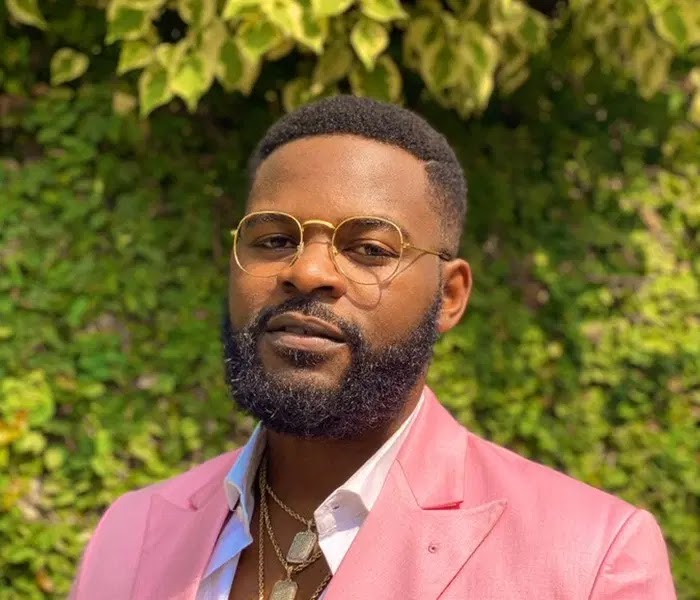
D’banj
D’banj


D’banj, popularly known as “The Koko Master,” is one of the most influential African musicians of the 21st century. Born Oladapo Daniel Oyebanjo on June 9, 1980, in Zaria, Kaduna State, Nigeria, D’banj rose from humble beginnings to become a continental music icon, entrepreneur, television personality, and cultural ambassador. His journey through the Nigerian entertainment industry represents not just personal success, but also the evolution and globalization of Afrobeats music. Through his energetic performances, charismatic personality, business ventures, and chart-topping records, D’banj helped shape modern African pop culture and opened international doors for many African artists who followed after him.
D’banj was born into a military and religious family. His father served as a military officer while his mother was a businesswoman with deep religious values. Growing up, discipline and structure played major roles in his upbringing, but despite these strict family values, D’banj displayed a strong passion for music from an early age. He was particularly fascinated by the harmonica, an instrument that would later become one of his signature trademarks. Inspired by legendary musician Fela Kuti, D’banj developed a deep admiration for Afrobeat rhythms, stagecraft, and musical storytelling. Fela’s influence would eventually shape D’banj’s style, confidence, and musical direction.
Although music was his passion, D’banj initially pursued an educational path. He attended the Nigerian Navy School and later enrolled at Lagos State University where he studied Mechanical Engineering. However, his passion for entertainment kept pulling him away from academics. He eventually traveled to the United Kingdom where his musical journey truly began to take shape. It was during this period that fate connected him with Don Jazzy, a talented music producer who would become his longtime collaborator and business partner.
The partnership between D’banj and Don Jazzy changed the landscape of Nigerian music forever. Together, they founded the now legendary music label Mo’ Hits Records in the early 2000s. At a time when Nigerian music was still largely localized, Mo’ Hits introduced a fresh sound that blended Afrobeats, hip-hop, R&B, dancehall, and Afro-pop into commercially appealing records. D’banj quickly became the face of the label because of his energetic personality, humorous delivery, and unique musical style.
His breakthrough came with the release of the hit single “Tongolo” in 2005. The song became an instant success across Nigeria and beyond, introducing audiences to his vibrant style and unforgettable charisma. “Tongolo” was followed by several successful tracks including “Why Me,” “Run Down Funk U Up,” and “Fall in Love.” These songs helped establish D’banj as one of Africa’s biggest entertainers. His ability to combine humor, catchy hooks, street slang, and danceable rhythms made him relatable to fans from different backgrounds.
One of D’banj’s most defining moments came with the release of “Oliver Twist” in 2011. The song became an international sensation and achieved significant commercial success in Europe and other global markets. “Oliver Twist” entered the UK Official Charts and gained heavy airplay internationally, making D’banj one of the first Nigerian artists to secure mainstream global recognition in the digital era. The song’s success was monumental because it demonstrated that African pop music could compete on a global scale. At a time when Afrobeats had not yet become the global phenomenon it is today, D’banj was among the pioneers carrying African music to international audiences.
The success of “Oliver Twist” attracted international attention and led to a major partnership with GOOD Music, the record label founded by Kanye West. This deal further elevated D’banj’s international profile. He collaborated with several global artists and appeared on major platforms that introduced him to wider audiences. Although the partnership eventually became less active, it marked a historic milestone for African artists seeking global recognition.
Apart from music, D’banj established himself as a savvy businessman and entrepreneur. He expanded his brand into different industries including agriculture, technology, fashion, beverages, and media. His entrepreneurial mindset helped him transition from being just a musician into becoming a full entertainment and business brand. He launched Koko Water, Koko Garri, and several other ventures that reflected his ambition to build wealth beyond music. D’banj consistently emphasized the importance of African entrepreneurship and youth empowerment, often encouraging young Nigerians to pursue innovation and self-reliance.
D’banj also became an influential ambassador for youth development and agriculture in Africa. He was appointed as the first United Nations Youth Ambassador for Peace in Nigeria and later became involved in several developmental campaigns across Africa. His advocacy for agriculture and food security gained attention from international organizations. He participated in campaigns designed to inspire young Africans to embrace agriculture as a viable economic opportunity rather than viewing it as outdated labor.
Throughout his career, D’banj received numerous awards and accolades. He won several MTV Africa Music Awards, Channel O Music Video Awards, BET Awards nominations, MOBO recognitions, and The Headies awards. His influence on African music culture remains undeniable. During the late 2000s and early 2010s, D’banj dominated Nigerian airwaves and nightlife culture. His slang, dance styles, and fashion trends became widely adopted by fans. The “Koko” brand became more than a nickname; it evolved into a movement associated with luxury, confidence, and entertainment.
Despite his achievements, D’banj’s career also experienced challenges and controversies. The split between him and Don Jazzy in 2012 shocked the entertainment industry because their partnership had been considered one of the strongest in African music. The breakup of Mo’ Hits Records marked the end of an era. Fans and industry insiders debated the reasons behind the separation, with speculation ranging from creative differences to business conflicts. Although both artists eventually pursued separate careers successfully, many fans still regard the Mo’ Hits era as one of the golden periods of Nigerian entertainment.
D’banj also faced personal tragedies. In 2018, he lost his young son in a heartbreaking accident. The incident deeply affected him and his family, leading him to temporarily step away from public activities. The tragedy revealed a more emotional and vulnerable side of the entertainer, and many fans across Africa expressed support and sympathy during that difficult period. Over time, D’banj gradually returned to music and public life, showing resilience and determination despite personal pain.
As Afrobeats continued to grow globally through artists like Wizkid, Burna Boy, and Davido, D’banj’s pioneering role became increasingly recognized. Many younger artists and industry stakeholders acknowledged that artists like D’banj helped create the foundation that modern Afrobeats stars now build upon internationally. His early crossover success proved that African music could transcend borders, languages, and cultures.
D’banj’s musical style combines Afrobeat, Afropop, hip-hop, dancehall, and comedic storytelling. One of his greatest strengths has always been his stage presence. He possesses a unique ability to entertain crowds through humor, dance, audience interaction, and charismatic performance energy. His harmonica performances also distinguished him from many contemporaries, giving him a recognizable signature identity in live shows and recordings.
Over the years, D’banj evolved from being simply a chart-topping musician into becoming a respected elder statesman within the African entertainment industry. His influence extends beyond hit songs into branding, artist development, entrepreneurship, and cultural exportation. Even though newer generations dominate current music charts, D’banj remains an important figure in conversations about the history and growth of modern African music.
Today, D’banj is celebrated not only as an entertainer but also as a pioneer who helped redefine African music on the global stage. His story reflects ambition, resilience, reinvention, and cultural pride. From performing in Nigerian clubs to charting internationally and collaborating with global stars, D’banj’s journey continues to inspire countless young Africans pursuing careers in entertainment and business. His legacy as one of Africa’s most impactful music icons remains firmly established, and his contribution to the worldwide rise of Afrobeats will forever be remembered in music history.
Recommended: Earn From Your Phone
- Easy Dollar Maker — earn in dollars uploading AI images and videos from your phone ($17). Check it out
- Video Editing Blueprint for Beginners — learn video editing and start creating content ($10). Check it out
- CapCut Pro (Lifetime Access) — the pro video editor for your TikToks and music videos ($3.40). Check it out
Disclosure: These are affiliate links. If you buy through them, I may earn a commission at no extra cost to you.