Frank Ocean
Frank Ocean
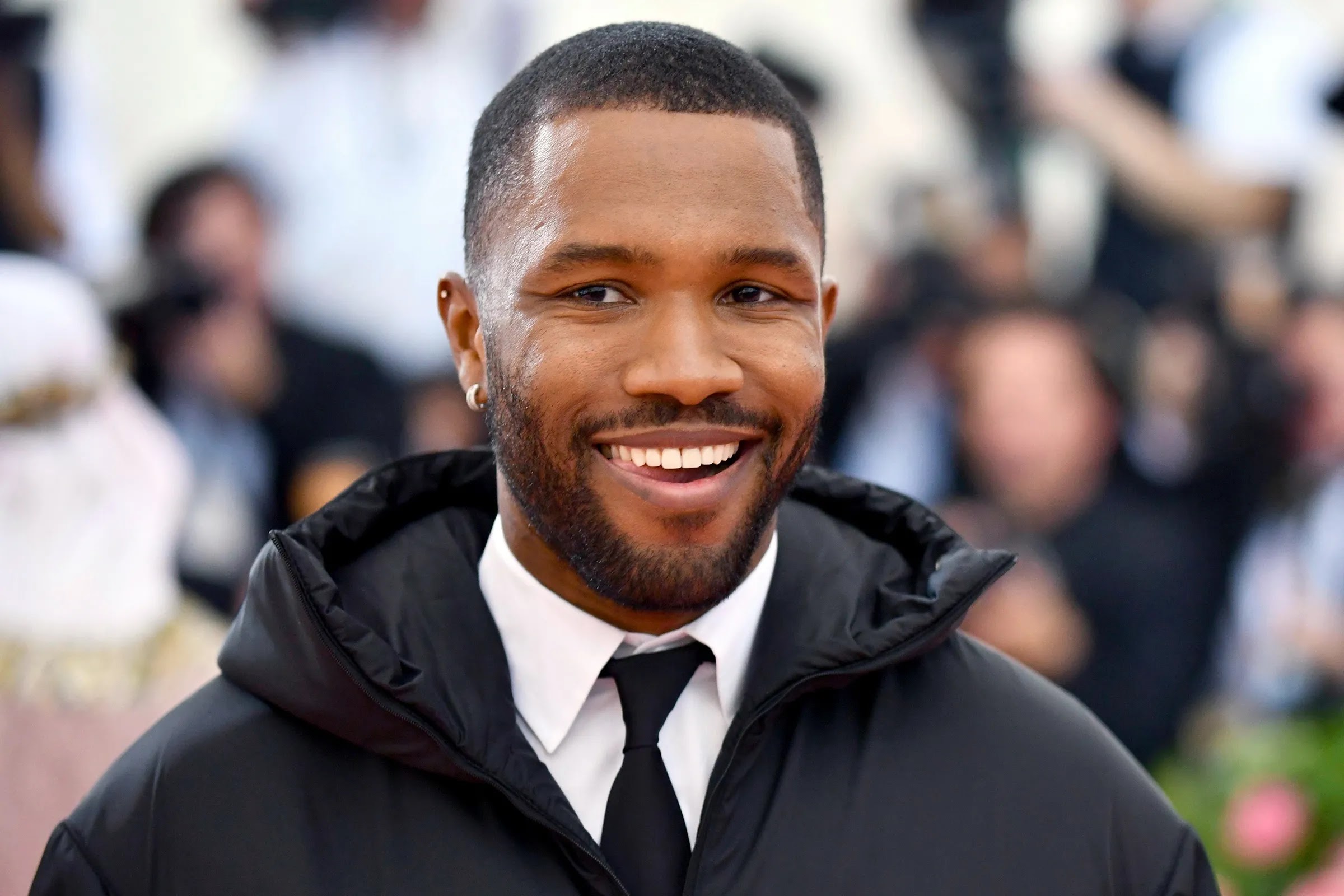
Frank Ocean is widely regarded as one of the most influential and unconventional artists of his generation, known for reshaping modern R&B through deeply introspective songwriting, genre-blending production, and an intensely private public persona. His career is defined not only by the music he has released but also by the long silences between projects, which have only amplified the cultural weight of his work. Despite a relatively small official discography compared to many of his peers, Frank Ocean’s influence on contemporary music, fashion, and artistic expression is enormous.
Frank Ocean was born Christopher Edwin Breaux on October 28, 1987, in Long Beach, California, United States. He was later known as Christopher “Lonny” Breaux before eventually adopting the stage name Frank Ocean. His early childhood was shaped by a move to New Orleans, Louisiana, where he was raised. This environment played a significant role in his musical development. New Orleans, with its rich jazz heritage, R&B traditions, and vibrant cultural identity, exposed him to a wide range of sounds that would later influence his genre-fluid approach to music.
From a young age, Ocean showed a strong inclination toward music and storytelling. He was raised by his mother after his parents separated, and he often worked various small jobs as a teenager, including cleaning pools, washing cars, and working in restaurants. These early experiences with working-class life later became subtle emotional textures in his songwriting, where themes of longing, ambition, isolation, and identity frequently appear.
After graduating from high school, he enrolled at the University of New Orleans, where he briefly studied. However, his education was interrupted when Hurricane Katrina devastated the city in 2005. The hurricane had a profound impact on his life, forcing him to relocate and effectively pushing him toward a more serious pursuit of music. He transferred to the University of Louisiana at Lafayette but soon dropped out to focus entirely on building his music career in Los Angeles.
Once in Los Angeles, Frank Ocean began recording music independently, initially using his birth name Christopher Breaux. He wrote songs for other artists and worked behind the scenes in the music industry. His early songwriting credits included work for major pop and R&B artists such as Justin Bieber, John Legend, and Brandy. However, he struggled to gain recognition as a solo artist during this period, often feeling creatively constrained by the commercial expectations of the industry.
His breakthrough came when he joined the Los Angeles-based hip-hop collective Odd Future, led by Tyler, The Creator. Odd Future was known for its rebellious energy, experimental approach to hip-hop, and strong internet presence. Frank Ocean’s inclusion in the group was somewhat unexpected due to his smoother, more melodic style, but it proved to be a defining moment in his career. Through Odd Future, he connected with a broader audience and gained access to a creative environment that encouraged experimentation.
In 2011, Frank Ocean released his first major project, the mixtape Nostalgia, Ultra. The project was initially released for free online and quickly gained critical attention. It stood out for its unique blend of R&B, soul, indie rock, and hip-hop influences, as well as its unconventional lyrical themes. Songs like “Novacane” and “Swim Good” showcased his ability to combine emotionally raw storytelling with minimalist yet atmospheric production. The mixtape also featured creative reinterpretations of existing songs, which highlighted his skill in transforming familiar sounds into something deeply personal.
Nostalgia, Ultra attracted the attention of major artists and industry executives, including members of the production team at Def Jam Recordings. This led to Frank Ocean officially signing with the label. However, even at this early stage of his career, he was already demonstrating a strong desire for artistic independence, often resisting traditional industry structures.
In 2012, Frank Ocean released his debut studio album Channel Orange, a record that would cement his status as one of the most important voices in modern music. The album was released to widespread critical acclaim and is often considered a landmark in contemporary R&B. Channel Orange explored themes of unrequited love, consumerism, spirituality, and social inequality. Its sound was eclectic, incorporating jazz, funk, electronic, and soul influences.
One of the most significant moments surrounding Channel Orange was Frank Ocean’s public revelation of his same-sex romantic feelings in an open letter published shortly before the album’s release. This was a groundbreaking moment in the music industry, particularly within R&B and hip-hop communities, where discussions of sexuality had historically been limited or stigmatized. His honesty was widely praised and marked a cultural shift toward greater openness and inclusivity in mainstream music.
The album featured standout tracks such as “Thinkin Bout You,” “Pyramids,” and “Bad Religion.” “Thinkin Bout You” became a commercial and critical success, while “Pyramids” was widely praised for its ambitious structure and nearly ten-minute runtime. Channel Orange earned Frank Ocean several Grammy nominations and won the award for Best Urban Contemporary Album.
Following the success of Channel Orange, Frank Ocean entered a long period of relative silence, a pattern that would become a defining aspect of his career. During this time, he worked on various creative projects, including visual work and music experimentation, but released very little official music. This absence fueled intense anticipation among fans and the media, turning his eventual return into a major cultural event.
In 2016, Frank Ocean released his second studio album Blonde, alongside a visual project titled Endless. The release strategy itself was unconventional, with Endless fulfilling contractual obligations to Def Jam, allowing him to release Blonde independently through his own label, Boys Don’t Cry. This move demonstrated his commitment to creative control and independence from traditional industry constraints.
Blonde was a deeply introspective and experimental album that further expanded the boundaries of R&B. It incorporated ambient textures, minimalistic production, and fragmented song structures. The album explored themes such as identity, memory, masculinity, love, and existential uncertainty. Unlike Channel Orange, which was more structured and narrative-driven, Blonde felt more abstract and emotionally fluid.
Critics widely praised Blonde as a masterpiece, with many considering it one of the greatest albums of the 21st century. Songs like “Nikes,” “Ivy,” “Self Control,” and “White Ferrari” became iconic for their emotional depth and sonic innovation. The album’s muted tones and experimental approach influenced a generation of artists across R&B, pop, and alternative music.
After Blonde, Frank Ocean once again retreated from the public eye, releasing only occasional singles such as “DHL” and “In My Room” in 2019, followed by “Dear April” and “Cayendo” in 2020. These releases hinted at evolving sonic directions, blending electronic elements with his signature emotional lyricism. However, no full album followed, reinforcing his reputation as an artist who prioritizes quality and personal expression over commercial output.
Beyond music, Frank Ocean has also made an impact in fashion and visual culture. He has collaborated with major fashion houses, including Louis Vuitton and Prada, and launched his own luxury brand, Homer, in 2021. Homer focuses on high-end jewelry and accessories and reflects his interest in design, craftsmanship, and visual storytelling. His approach to fashion mirrors his music career: highly curated, independent, and deliberately outside mainstream expectations.
Frank Ocean is also known for his intensely private lifestyle. He rarely gives interviews, avoids social media engagement, and maintains a strong boundary between his public persona and personal life. This secrecy has contributed to his mystique and has made his rare public appearances and releases even more impactful. Unlike many modern celebrities, he does not rely on constant visibility, instead allowing his work to speak for itself.
Over the years, Frank Ocean’s influence has become deeply embedded in contemporary music culture. Many modern artists cite him as a key inspiration for emotional honesty, genre fluidity, and creative independence. His willingness to challenge industry norms has helped redefine what success can look like for an artist in the digital age.
Today, Frank Ocean remains an enigmatic figure whose legacy continues to grow even in long periods of silence. His body of work, though limited in quantity, is widely considered timeless and deeply influential. Whether through Nostalgia, Ultra, Channel Orange, or Blonde, he has consistently demonstrated a rare ability to translate complex human emotions into soundscapes that feel both intimate and universal.
Recommended: Earn From Your Phone
- Easy Dollar Maker — earn in dollars uploading AI images and videos from your phone ($17). Check it out
- Video Editing Blueprint for Beginners — learn video editing and start creating content ($10). Check it out
- CapCut Pro (Lifetime Access) — the pro video editor for your TikToks and music videos ($3.40). Check it out
Disclosure: These are affiliate links. If you buy through them, I may earn a commission at no extra cost to you.