Kanye West – Runaway ft. Pusha T
Few songs in modern music history have managed to capture vulnerability, ego, heartbreak, self-awareness, and artistic brilliance in one sweeping masterpiece quite like “Runaway” by Kanye West featuring Pusha T. Released as part of the groundbreaking album My Beautiful Dark Twisted Fantasy, the song quickly became one of the defining records of an entire generation. “Runaway” is not simply a rap song or a hip-hop collaboration. It is a deeply emotional confession wrapped inside cinematic production, poetic lyricism, haunting instrumentation, and one of the most unforgettable piano intros ever created. From the very first note, the song establishes an atmosphere that feels lonely, reflective, and emotionally naked, inviting listeners into Kanye West’s chaotic mind while forcing them to confront their own imperfections along the way.
The opening piano key in “Runaway” is legendary for a reason. It is minimal, almost painfully simple, yet emotionally heavy enough to carry the entire mood of the track before a single lyric is spoken. That sparse production choice demonstrates Kanye West’s genius as a producer and visionary. Rather than overwhelming listeners with drums and layered sounds from the beginning, he creates anticipation and emotional tension. The silence between the notes matters just as much as the notes themselves. It feels dramatic, cinematic, and deeply intentional. When the beat finally enters, it does not disrupt the mood but enhances it, creating a hypnotic blend of hip-hop percussion and melancholic melodies that immediately draws listeners deeper into the song’s emotional universe.
Lyrically, “Runaway” is brutally honest in ways many artists are too afraid to attempt. Kanye West opens the track with a toast “to the douchebags,” “the assholes,” and “the scumbags,” essentially acknowledging his own flaws and public controversies. It is self-awareness presented without excuses. Rather than portraying himself as a misunderstood hero, Kanye leans into the criticism surrounding him and transforms it into art. That level of emotional honesty is what separates “Runaway” from ordinary rap records. Most artists either glorify themselves completely or seek sympathy from listeners. Kanye does something far more complicated. He admits that he can be destructive while simultaneously expressing pain over the consequences of his behavior.
This emotional contradiction is what gives the song its timeless appeal. “Runaway” feels human because it understands that people are often both victims and villains in their own stories. Kanye does not try to appear perfect. He sounds conflicted, emotionally damaged, arrogant, regretful, and vulnerable all at once. That complexity resonates deeply with listeners because real life rarely fits into simple categories of good or bad. The song explores the fear of intimacy, the tendency to sabotage relationships, and the emotional chaos that comes from fame and ego. These themes continue to connect with audiences years after the song’s release because they reflect emotions many people quietly struggle with in their own lives.
Pusha T’s contribution to “Runaway” is equally important to the song’s success. His verse arrives with confidence, precision, and charisma, providing a sharp contrast to Kanye’s emotional vulnerability. Pusha T delivers his lyrics with the cold composure of someone fully aware of his flaws but unwilling to apologize for them. His verse adds another layer to the song’s exploration of toxic masculinity, failed relationships, and emotional distance. Instead of softening the record, Pusha intensifies its themes, reminding listeners that pride and emotional detachment are often deeply rooted in personal identity and survival. His delivery is smooth yet cutting, reinforcing the dark elegance that defines the entire track.
One of the most fascinating aspects of “Runaway” is how it balances grandeur with intimacy. The production feels massive and cinematic, almost like the soundtrack to an emotional breakdown unfolding in slow motion. Yet despite its large-scale sound, the lyrics remain painfully personal. Kanye West turns his own public humiliation, romantic failures, and internal struggles into a shared emotional experience. That balance between spectacle and sincerity is incredibly difficult to achieve, but “Runaway” executes it flawlessly. Every instrumental layer, vocal inflection, and lyrical pause contributes to the emotional atmosphere of the song.
The outro of “Runaway” deserves special attention because it remains one of the most experimental and emotionally powerful endings in mainstream music history. Kanye’s distorted vocals during the final section create an almost alien feeling, as if words alone are no longer enough to express the emotions he is carrying. The vocal manipulation transforms his voice into a haunting instrument filled with pain, regret, confusion, and longing. Some listeners initially found the outro strange or difficult to understand, but over time it has become one of the most celebrated parts of the song. It represents emotional expression beyond language, proving that music can communicate feelings even when words fail.
What makes “Runaway” even more impressive is the context surrounding its release. At the time, Kanye West was facing intense public backlash and criticism. Many people had written him off as arrogant, controversial, and self-destructive. Instead of responding with a simple apology or attempting to repair his image through predictable means, Kanye created an album that confronted his flaws head-on while redefining the artistic possibilities of hip-hop. “Runaway” became the emotional centerpiece of that creative rebirth. It was not just a song but a statement about art, fame, self-destruction, and redemption.
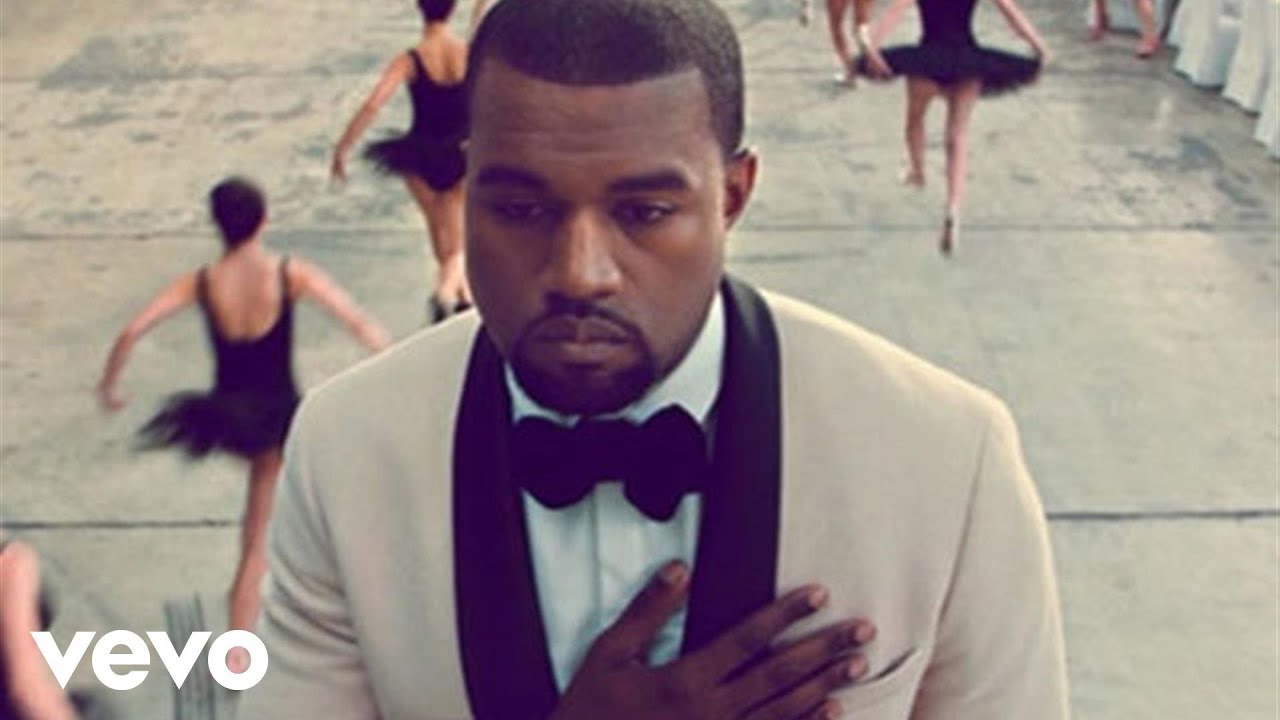
The visual presentation of “Runaway” also contributed significantly to its legendary status. Kanye West released a short film built around the song, transforming it into a full artistic experience rather than just a standalone track. The imagery, fashion, cinematography, and symbolism elevated the emotional themes of the music even further. It blurred the line between music video and art film, reinforcing Kanye’s reputation as an artist willing to push creative boundaries regardless of public opinion. Even years later, the visuals associated with “Runaway” continue to influence modern music videos and artistic storytelling within hip-hop culture.
Musically, “Runaway” showcases Kanye West at the peak of his creative powers. The production combines elements of hip-hop, soul, art-pop, orchestral music, and experimental electronic sounds into something uniquely his own. The drums hit hard without overshadowing the emotional melodies. The piano remains haunting throughout the track. The layering of vocals, strings, and background textures creates a listening experience that feels immersive and cinematic. Few songs manage to sound both emotionally raw and technically sophisticated at the same time, but “Runaway” achieves that balance effortlessly.
Another reason why “Runaway” remains culturally significant is its influence on future artists. Countless musicians across hip-hop, R&B, and alternative music have borrowed elements of its emotional openness, minimalist piano-driven production, and cinematic approach to storytelling. The song helped normalize vulnerability in rap music at a time when emotional honesty was often viewed as weakness within the genre. Today, many artists openly explore heartbreak, depression, loneliness, and insecurity in their music, but “Runaway” played a major role in pushing hip-hop toward that emotional evolution.
The song also sparked endless discussions about genius, accountability, and the complicated relationship between art and artist. Kanye West’s career has always been filled with controversy, brilliance, and unpredictability, and “Runaway” sits directly at the center of that conversation. Some listeners interpret the song as an apology. Others see it as self-awareness without actual change. That ambiguity is part of what makes the track so compelling. It refuses to provide easy answers or moral clarity. Instead, it forces listeners to sit with discomfort and contradiction.
Emotionally, “Runaway” hits differently depending on where listeners are in life. For some, it feels like a breakup anthem. For others, it represents self-sabotage, loneliness, or emotional exhaustion. The beauty of the song lies in its ability to adapt to personal experiences. People hear themselves inside the music. That emotional flexibility is a hallmark of truly timeless art. Great songs entertain people for a season. Legendary songs become emotional companions during different chapters of life. “Runaway” belongs firmly in the latter category.
Even more than a decade after its release, the song still sounds fresh and emotionally devastating. In an era where many tracks quickly disappear from public memory, “Runaway” continues to be celebrated as one of the greatest hip-hop songs ever created. Critics, fans, producers, and fellow artists frequently cite it as a masterpiece because it combines artistic ambition with emotional authenticity in a way few songs ever have. Every listen reveals new emotional details, production choices, or lyrical nuances that deepen appreciation for the record.
Ultimately, “Runaway” is more than just a song about failed relationships or personal flaws. It is a meditation on human imperfection itself. Kanye West exposes the ugly, selfish, insecure, and emotionally destructive parts of his personality while simultaneously revealing the pain underneath them. That honesty makes the song uncomfortable at times, but also deeply relatable. It reminds listeners that self-awareness does not automatically lead to change, and that understanding one’s flaws can sometimes make emotional pain even heavier.
Very few songs manage to feel this grand while remaining this personal. Very few artists are willing to expose themselves this honestly in front of millions of listeners. “Runaway” stands as proof that music can be vulnerable without losing power, experimental without losing accessibility, and deeply flawed while still being undeniably beautiful. It remains one of Kanye West’s greatest artistic achievements and one of the most emotionally complex songs ever created in modern music history.
Kanye West – Runaway ft. Pusha T
Recommended: Earn From Your Phone
- Easy Dollar Maker — earn in dollars uploading AI images and videos from your phone ($17). Check it out
- Video Editing Blueprint for Beginners — learn video editing and start creating content ($10). Check it out
- CapCut Pro (Lifetime Access) — the pro video editor for your TikToks and music videos ($3.40). Check it out
Disclosure: These are affiliate links. If you buy through them, I may earn a commission at no extra cost to you.