Karol G
Karol G
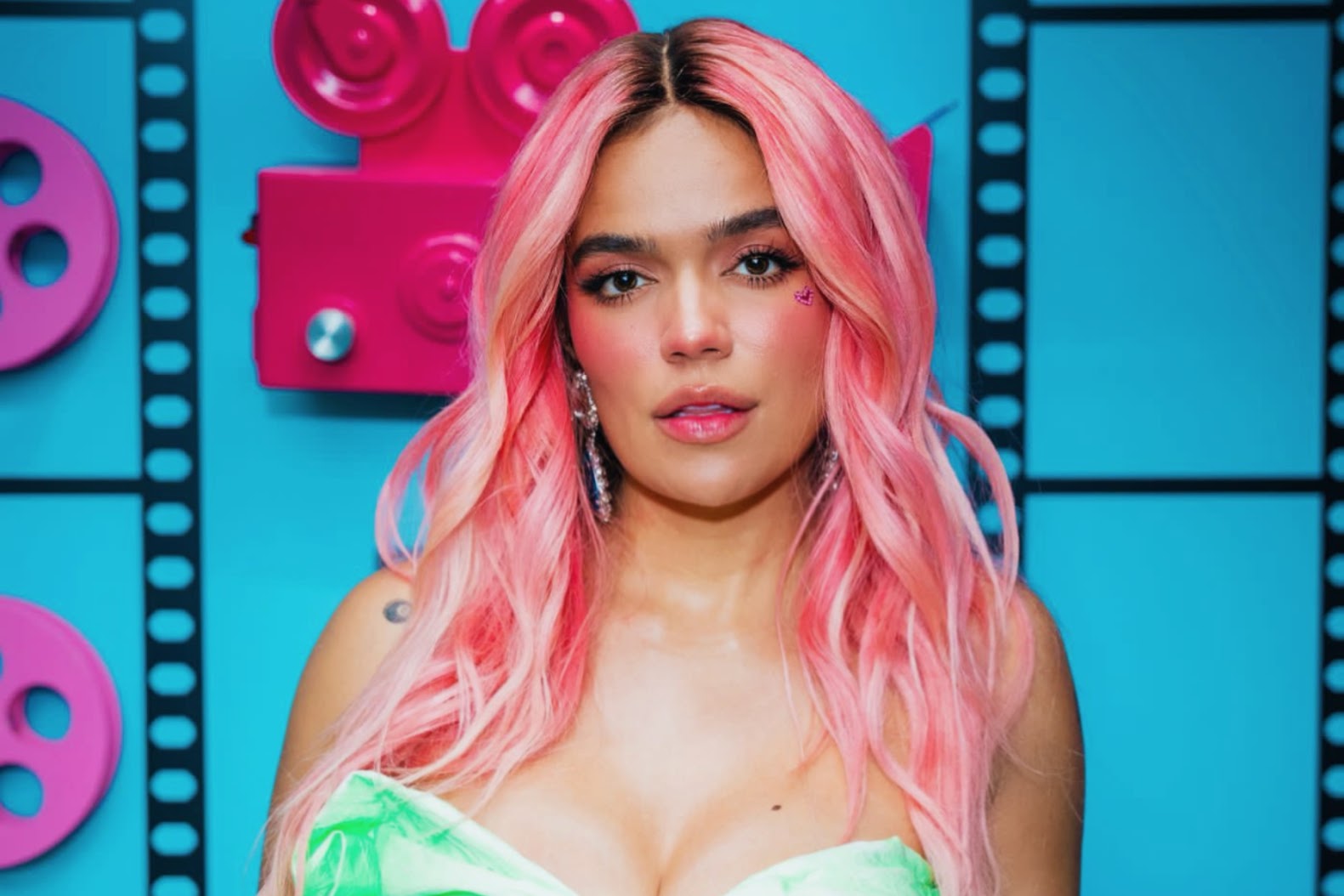
Karol G, born Carolina Giraldo Navarro on February 14, 1991, in Medellín, Colombia, is one of the most influential Latin music artists of her generation. Her rise from a young aspiring singer in Colombia to a global reggaeton and Latin pop superstar reflects a combination of persistence, strategic artistic evolution, and a strong connection to contemporary Latin urban music culture. Over the years, she has become a defining figure in the globalization of Latin music, especially in reggaeton and Latin trap, while also expanding into pop and experimental sounds that broaden her audience beyond Spanish-speaking listeners.
Karol G grew up in Medellín in a musically supportive environment. Her father, also a musician, played a major role in shaping her early interest in music. From a young age, she participated in singing competitions and showed a strong inclination toward performance. Unlike many artists who emerge directly from formal music industry pipelines, Karol G’s early path was marked by grassroots development, local performances, and a gradual buildup of experience in Colombia’s music scene. She later studied music at the University of Antioquia, where she refined her understanding of vocal performance and music theory. This academic background helped her develop a more structured approach to her artistry, even as she leaned heavily into urban and street-influenced genres.
In her teenage years and early twenties, Karol G began pursuing music professionally, but her journey was not immediate or easy. She faced several setbacks, including limited opportunities in a male-dominated reggaeton industry. At the time, Latin urban music was heavily dominated by male artists, and female representation in reggaeton was relatively rare. Karol G initially participated in smaller collaborations and worked behind the scenes, gradually building her name. She also appeared on Colombia’s version of “The X Factor,” which gave her early exposure but did not immediately translate into mainstream success.
A turning point in her career came when she moved to the United States to pursue broader opportunities in the Latin music industry. In 2014, she signed with Universal Music Latino, a significant step that provided her with access to better production resources and wider distribution. However, her breakthrough did not happen instantly. She spent several years releasing singles and collaborating with other artists while refining her musical identity. During this period, she adopted a style that blended reggaeton, Latin trap, and pop sensibilities, helping her stand out in an increasingly competitive market.
Her breakthrough moment arrived in 2017 with the release of “Ahora Me Llama,” a collaboration with Bad Bunny. The song became a viral hit and established her as a major rising star in Latin urban music. Its success on streaming platforms and music charts marked the beginning of her transition from emerging artist to mainstream recognition. The track’s success was not just commercial; it also symbolized a cultural shift, as more female artists began gaining visibility in reggaeton and Latin trap.
Following this success, Karol G released her debut studio album “Unstoppable” in 2017. The album performed strongly and featured collaborations with artists such as Ozuna, Bad Bunny, and Kevin Roldán. “Unstoppable” solidified her reputation as a versatile artist capable of balancing commercial appeal with authentic urban music roots. The album’s success across Latin America and among Latin audiences in the United States marked a major milestone in her career.
Her rise continued with a series of successful singles and collaborations, including “Mi Cama,” “Créeme” featuring Maluma, and “Tusa” featuring Nicki Minaj. “Tusa,” released in 2019, became one of her most iconic songs. It achieved massive global success, charting in multiple countries and becoming a cultural phenomenon. The collaboration with Nicki Minaj also highlighted Karol G’s expanding international reach and her ability to bridge Latin and mainstream global pop markets. “Tusa” was particularly significant because it demonstrated the commercial viability of Spanish-language songs in global pop culture.
In 2020, Karol G released her second studio album, “KG0516,” which marked a major evolution in her sound and artistic vision. The album featured a wide range of genres, including reggaeton, trap, pop, and experimental Latin fusion. It included hit singles such as “Bichota,” “Location” featuring Anuel AA and J Balvin, and “El Makinon.” “KG0516” was praised for its ambition and diversity, reflecting Karol G’s desire to move beyond traditional genre boundaries. The album also reinforced her status as one of the leading female voices in Latin music.
During this period, Karol G’s personal life also became a subject of public attention, particularly her relationship with fellow reggaeton artist Anuel AA. Their relationship was highly publicized, and they collaborated on multiple tracks together. Although they eventually separated, the experience influenced some of her music, which often explores themes of love, heartbreak, empowerment, and personal growth.
Karol G’s music is characterized by a blend of emotional storytelling and rhythmic urban beats. She often incorporates themes of female empowerment, independence, and resilience, which have resonated strongly with her audience. Her nickname “La Bichota,” derived from urban slang, became a symbol of confidence and self-empowerment, especially among young women in Latin America and beyond. The phrase, popularized through her music, reflects her influence on cultural language and identity within the Latin music community.
In addition to her musical success, Karol G has also become a fashion and cultural icon. Her distinctive style, colorful hair phases, and bold visual branding have contributed to her public image as a trendsetter. She has collaborated with major fashion brands and appeared in high-profile media campaigns, further expanding her influence beyond music.
By the early 2020s, Karol G had firmly established herself as one of the most successful Latin artists in the world. She has consistently broken streaming records, sold out international tours, and headlined major music festivals. Her global appeal extends beyond Latin America into Europe, the United States, and other international markets where Latin music continues to grow in popularity.
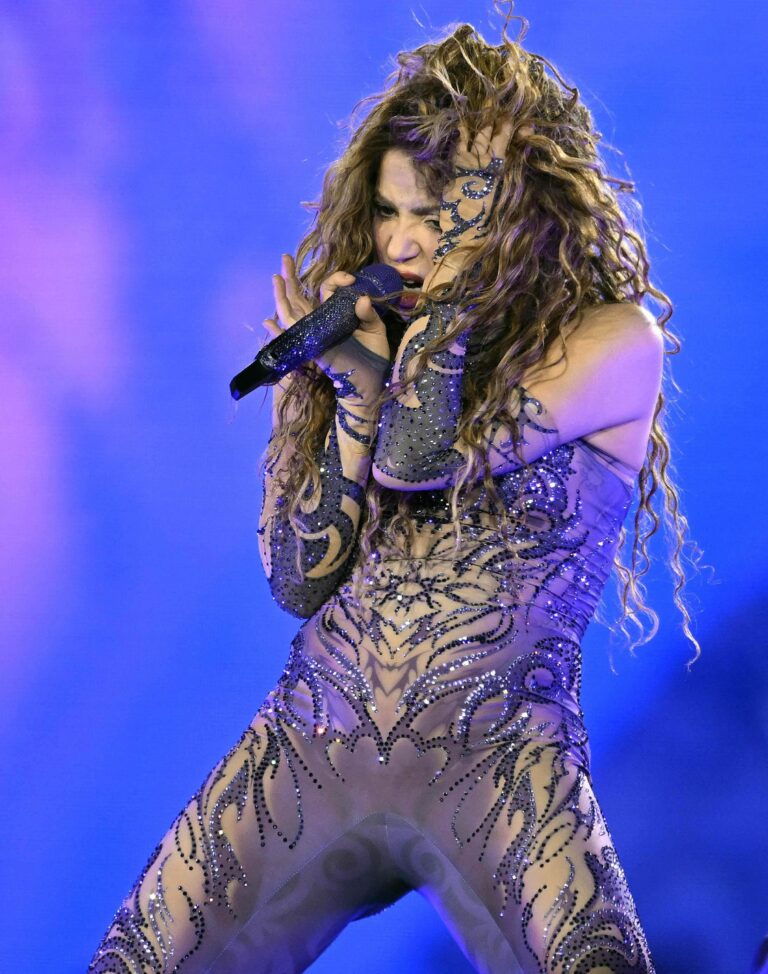
Her fourth studio album, “Mañana Será Bonito,” released in 2023, marked another major milestone in her career. The album debuted at number one on the Billboard 200, making her one of the few female Latin artists to achieve this level of success. It included hits such as “Provenza” and “TQG,” the latter featuring Shakira. The collaboration with Shakira was particularly significant as it represented a powerful moment in Latin music, bringing together two of Colombia’s most influential female artists. The album explored themes of healing, heartbreak, and optimism, reflecting a more personal and introspective phase in her life.
Karol G’s impact on the music industry extends beyond commercial success. She has played a key role in opening doors for more female representation in reggaeton and Latin trap, genres that were historically male-dominated. Her success has helped normalize the presence of women in these spaces and inspired a new generation of female Latin artists to pursue careers in urban music.
She has also received numerous awards and recognitions, including Latin Grammy Awards, Billboard Latin Music Awards, and other international honors. These accolades reflect both her artistic achievements and her influence on global music trends.
Despite her fame, Karol G often presents herself as grounded and connected to her roots. She frequently expresses gratitude toward her fans and acknowledges the struggles she faced early in her career. Her journey from Medellín to international superstardom is often cited as an example of perseverance and cultural impact in modern Latin music.
Today, Karol G continues to evolve as an artist, exploring new sounds, collaborations, and creative directions. Her influence in shaping the global perception of Latin music remains significant, and she stands as one of the most important figures in the ongoing expansion of Spanish-language music in the global entertainment industry.
Recommended: Earn From Your Phone
- Easy Dollar Maker — earn in dollars uploading AI images and videos from your phone ($17). Check it out
- Video Editing Blueprint for Beginners — learn video editing and start creating content ($10). Check it out
- CapCut Pro (Lifetime Access) — the pro video editor for your TikToks and music videos ($3.40). Check it out
Disclosure: These are affiliate links. If you buy through them, I may earn a commission at no extra cost to you.