Koffee
Koffee
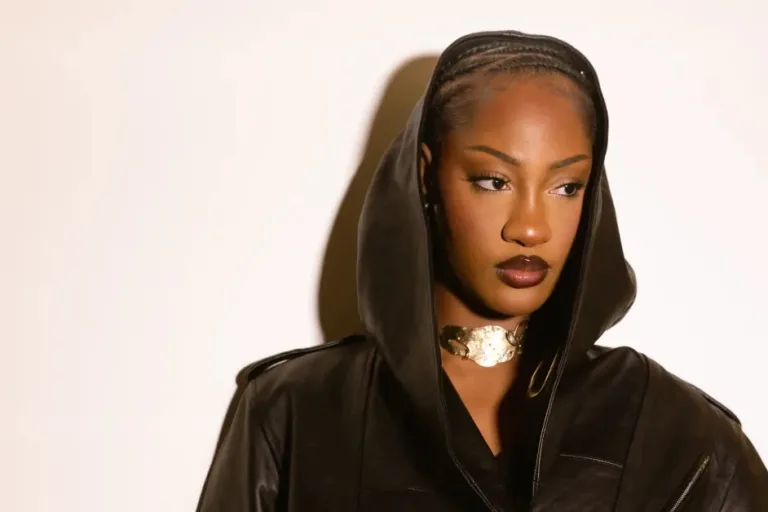
Koffee, born Mikayla Simpson on February 16, 2000, in Spanish Town, Jamaica, is one of the most influential young voices to emerge from modern reggae and dancehall in the 21st century. Her rise is particularly notable because she entered a genre deeply rooted in Jamaican cultural history and traditionally dominated by older male artists, yet she managed to carve out a distinct space with a sound that blends classic reggae sensibilities with contemporary youth expression. Her music reflects themes of optimism, social consciousness, spirituality, and everyday struggles, delivered through a calm but confident vocal style that quickly distinguished her from her peers.
Koffee grew up in a single-parent household, raised primarily by her mother, who worked in the medical field. Her upbringing in Spanish Town, a community known for both cultural vibrancy and socioeconomic challenges, played a significant role in shaping her worldview and lyrical direction. From a young age, she was exposed to reggae music not just as entertainment but as a cultural identity. Artists like Bob Marley, Protoje, and other roots reggae figures formed part of her early musical foundation, influencing both her sound and her philosophical approach to songwriting.
Her early musical interest was not immediately centered on performing. As a teenager, she initially sang in her church choir, which helped her develop vocal control and confidence in front of audiences. Interestingly, her breakthrough moment came somewhat unexpectedly. She recorded a freestyle over a beat initially intended as a joke among friends, and the resulting performance revealed a natural charisma and lyrical ease that could not be ignored. That freestyle would eventually lead to her breakout single “Burning,” released in 2017 while she was still in high school. The song began gaining attention locally and online, showcasing her ability to merge spiritual reflection with modern reggae rhythms.
The turning point in her career came when she met Jamaican reggae artist Protoje, who recognized her potential and became a key mentor figure. Protoje’s In.Digg.Nation Collective played a major role in refining her sound and providing her with a professional platform. Under their guidance, Koffee released “Toast” in 2018, a track that would become her global breakthrough. “Toast” was a celebration of gratitude, success, and resilience, built on a laid-back reggae groove with a modern edge. The song quickly gained international attention, receiving heavy rotation across streaming platforms and radio stations, and becoming an anthem of positivity for listeners worldwide.
The success of “Toast” elevated Koffee from a rising Jamaican talent to an international reggae sensation. The song’s music video further amplified her visibility, presenting her as a young, humble, and spiritually grounded artist who was grateful for her journey. Unlike many mainstream breakout hits, “Toast” was not centered on materialism or excess but on appreciation and perseverance, which resonated deeply with global audiences.
Following this breakthrough, Koffee released a series of successful singles, including “Raggamuffin,” “Rapture,” and “W,” each reinforcing her identity as a fresh yet authentic voice in reggae. Her lyrical themes often revolve around self-belief, gratitude, and cultural pride, but she also addresses societal issues and youth struggles, blending introspection with empowerment.
In 2019, she released her debut EP titled Rapture, a project that solidified her place in contemporary reggae history. The EP featured tracks that showcased her versatility, from spiritually driven reggae to more energetic dancehall-influenced rhythms. Rapture received widespread critical acclaim and earned her the Grammy Award for Best Reggae Album in 2020, making her the youngest person and the first female solo artist to win in that category. This achievement marked a historic moment for reggae music and further cemented her status as a global ambassador for the genre.
Winning a Grammy at such a young age significantly raised expectations for her career. However, Koffee maintained a deliberate approach to her artistry, focusing on quality over quantity. Rather than rushing to release a full-length album immediately after her Grammy win, she continued to refine her sound and explore new creative directions. This patience reflected her artistic maturity and her desire to avoid being defined solely by early success.
Musically, Koffee’s style is often described as a fusion of reggae, dancehall, and modern pop-influenced production, but at its core, her sound remains deeply rooted in traditional Jamaican rhythms. She often uses minimalistic beats, allowing her voice and lyrics to take center stage. Her vocal delivery is smooth, controlled, and slightly conversational, which makes her music feel both intimate and accessible. Unlike more aggressive dancehall performers, her tone leans toward calm confidence rather than intensity.
Beyond music, Koffee has become a cultural symbol for Jamaican youth. She represents a generation that is both globally connected and locally grounded. Her fashion sense, public demeanor, and interviews consistently reflect humility, discipline, and awareness of her cultural responsibility. She has often spoken about her desire to represent Jamaica positively on the global stage, especially in a genre that is sometimes stereotyped or misunderstood internationally.
Her influence extends beyond reggae audiences. She has been embraced by mainstream pop listeners and has performed on international stages, including major festivals and televised events. This crossover appeal is partly due to her ability to maintain authenticity while still creating music that is sonically modern and globally appealing.
In addition to her solo work, Koffee has collaborated with various artists across genres, further expanding her reach. These collaborations demonstrate her adaptability and her willingness to experiment without losing her core identity. Despite her relatively small discography compared to more established artists, her impact is disproportionately large, largely because of the cultural weight of her music and the consistency of her message.
Koffee’s artistic identity is also closely tied to spirituality and gratitude. Unlike many artists who emphasize fame or material success, she frequently centers her narrative around appreciation, faith, and personal growth. This thematic consistency has helped her build a loyal global fan base that connects with her music on a deeper emotional level.
Over time, she has also become a role model for young female artists in Jamaica and across the world. Her success challenges long-standing gender barriers in reggae and dancehall, genres that have historically been male-dominated. By achieving international recognition early in her career, she has opened doors for other young women who aspire to enter the genre.
Despite her success, Koffee has remained relatively private about her personal life, choosing instead to let her music define her public image. This restraint has contributed to her reputation as a focused and grounded artist. She continues to evolve musically, and while her early work was heavily rooted in reggae, there are indications of broader experimentation in her later releases, suggesting a future that may include more genre blending.
Koffee’s journey from a schoolgirl in Spanish Town to a Grammy-winning global artist is a testament to talent, mentorship, cultural grounding, and timing. Her story reflects the power of authenticity in music and the global appetite for voices that bring both freshness and depth to traditional genres. As she continues to develop her career, she remains one of the most important young figures in reggae and one of Jamaica’s most promising cultural exports.
In summary, Koffee represents a modern evolution of reggae music, rooted in tradition but open to global influence. Her rise is not only a personal achievement but also a symbolic moment for Jamaican music, demonstrating that the genre continues to evolve and inspire new generations. With her blend of humility, lyrical depth, and musical innovation, she has already secured a place among the most influential young artists of her era, and her long-term impact on reggae and global music culture is still unfolding.
Recommended: Earn From Your Phone
- Easy Dollar Maker — earn in dollars uploading AI images and videos from your phone ($17). Check it out
- Video Editing Blueprint for Beginners — learn video editing and start creating content ($10). Check it out
- CapCut Pro (Lifetime Access) — the pro video editor for your TikToks and music videos ($3.40). Check it out
Disclosure: These are affiliate links. If you buy through them, I may earn a commission at no extra cost to you.