Rosalía
Rosalía
Rosalía Vila Tobella was born on September 25, 1992, in Sant Esteve Sesrovires, a small town in Catalonia, Spain. She grew up in a middle-class Catalan family and showed an early interest in music and performance. Unlike many pop stars who emerge from commercial entertainment pipelines, Rosalía’s foundation was deeply academic and rooted in formal musical training. She studied musicology at the Catalonia College of Music (ESMUC), where she specialized in flamenco under the guidance of respected mentor José Miguel “El Chiqui” Vizcaya. This classical grounding would later become the backbone of her artistic identity.
During her early years, Rosalía performed in small venues, flamenco tablaos, weddings, and cultural events, slowly building her reputation as a serious vocalist with exceptional control, emotional depth, and technical precision. Her early work was heavily traditional, aligning closely with flamenco’s historical forms, including cante jondo (deep song), a style known for its emotional intensity and expressive vocal delivery. However, even in these formative stages, she demonstrated a willingness to push stylistic boundaries, subtly incorporating modern phrasing and production ideas into traditional structures.
Her breakthrough came in 2017 with the release of her debut studio album, “Los Ángeles,” which she co-produced with Spanish musician Raül Refree. The album was stark, minimalist, and emotionally raw, reinterpreting traditional flamenco songs in a stripped-down acoustic format. While it was not a commercial pop album, it earned critical acclaim across Spain and internationally, establishing Rosalía as a serious artistic voice rather than just a pop newcomer. The album’s themes revolved around death, loss, and spiritual reflection, and it showcased her ability to reinterpret ancient musical traditions through a modern emotional lens.
However, Rosalía’s global transformation began with her second album, “El Mal Querer” (2018). This project marked a radical turning point in her career and in contemporary Latin music. The album was based on a medieval Occitan novel, “Flamenca,” and it told a conceptual story about toxic relationships, control, and emotional liberation. Each track represented a chapter in the narrative, blending flamenco vocal techniques with urban beats, trap percussion, electronic textures, and pop structures.
“El Mal Querer” became a cultural phenomenon. Songs like “Malamente,” “Pienso en tu Mirá,” and “Di Mi Nombre” not only topped charts in Spain but also gained international recognition. The visual aesthetic of the project, co-developed with director and creative partner Canada, was equally important. Its music videos combined religious symbolism, street culture, modern fashion, and Spanish cultural imagery, creating a distinctive visual identity that helped Rosalía stand out in the global pop landscape.
Critics praised the album for its innovation, and it won multiple Latin Grammy Awards, including Album of the Year, making Rosalía one of the youngest artists ever to achieve such recognition in Latin music. More importantly, it positioned her as a bridge between traditional Spanish flamenco and contemporary global pop culture.
Following the success of “El Mal Querer,” Rosalía entered a new phase of international expansion. She began collaborating with major global artists, including Travis Scott, J Balvin, Ozuna, Billie Eilish, and The Weeknd. These collaborations helped her reach broader audiences and solidified her status as a cross-genre artist capable of adapting her voice to different musical environments without losing her identity.
In 2019, she released singles such as “Con Altura” with J Balvin and El Guincho, which became a global reggaeton hit. The song blended flamenco-inspired vocal flourishes with reggaeton rhythm, producing a sound that was both commercially successful and stylistically innovative. The accompanying music video also became one of the most viewed Spanish-language music videos of the year on YouTube, further expanding her global influence.
Rosalía’s artistic identity is deeply tied to experimentation. Unlike many mainstream pop stars, she is known for continuously reinventing her sound, aesthetic, and performance style. This was fully realized in her third studio album, “Motomami” (2022), which represented a dramatic departure from her earlier work. While “El Mal Querer” was structured and narrative-driven, “Motomami” embraced fragmentation, spontaneity, and genre fluidity.
The album blended reggaeton, flamenco, jazz, electronic, experimental pop, and even spoken word elements. Songs like “Saoko,” “Chicken Teriyaki,” and “Bizcochito” challenged conventional pop expectations with abrupt transitions, minimalist beats, and playful vocal experimentation. Meanwhile, tracks like “La Fama” featuring The Weeknd explored themes of fame, emotional isolation, and artistic identity.
“Motomami” was critically acclaimed and reinforced Rosalía’s reputation as a forward-thinking artist who prioritizes artistic evolution over commercial predictability. It also demonstrated her willingness to embrace digital culture, meme aesthetics, and internet-native forms of music consumption.
Beyond music, Rosalía has become a major fashion and cultural icon. She has collaborated with luxury brands such as Louis Vuitton, Dior, and Nike, and frequently appears at high-profile fashion events including Paris Fashion Week and the Met Gala. Her style is known for its bold fusion of traditional Spanish influences, streetwear, and avant-garde couture. This visual identity plays a crucial role in her global branding, reinforcing her position at the intersection of music, fashion, and art.
Rosalía’s influence also extends into cultural discourse. She has been both praised and critiqued for her reinterpretation of flamenco, a deeply traditional and culturally protected art form in Spain. Some purists argue that her fusion approach dilutes the authenticity of flamenco, while others see her as revitalizing and globalizing a genre that might otherwise remain niche. Regardless of the debate, her impact on bringing flamenco-inspired sound to global audiences is undeniable.
Her vocal technique is another defining feature of her artistry. She is known for her powerful, controlled voice capable of rapid emotional shifts, from whisper-like intimacy to intense, percussive vocal delivery. She often uses her voice as a rhythmic instrument rather than just a melodic one, layering vocal runs, claps, and improvisational phrasing into her compositions.
Rosalía is also recognized for her strong creative control over her projects. She is actively involved in songwriting, production, visual direction, and conceptual design. This multidisciplinary approach has allowed her to maintain a consistent artistic vision across albums, videos, and performances.
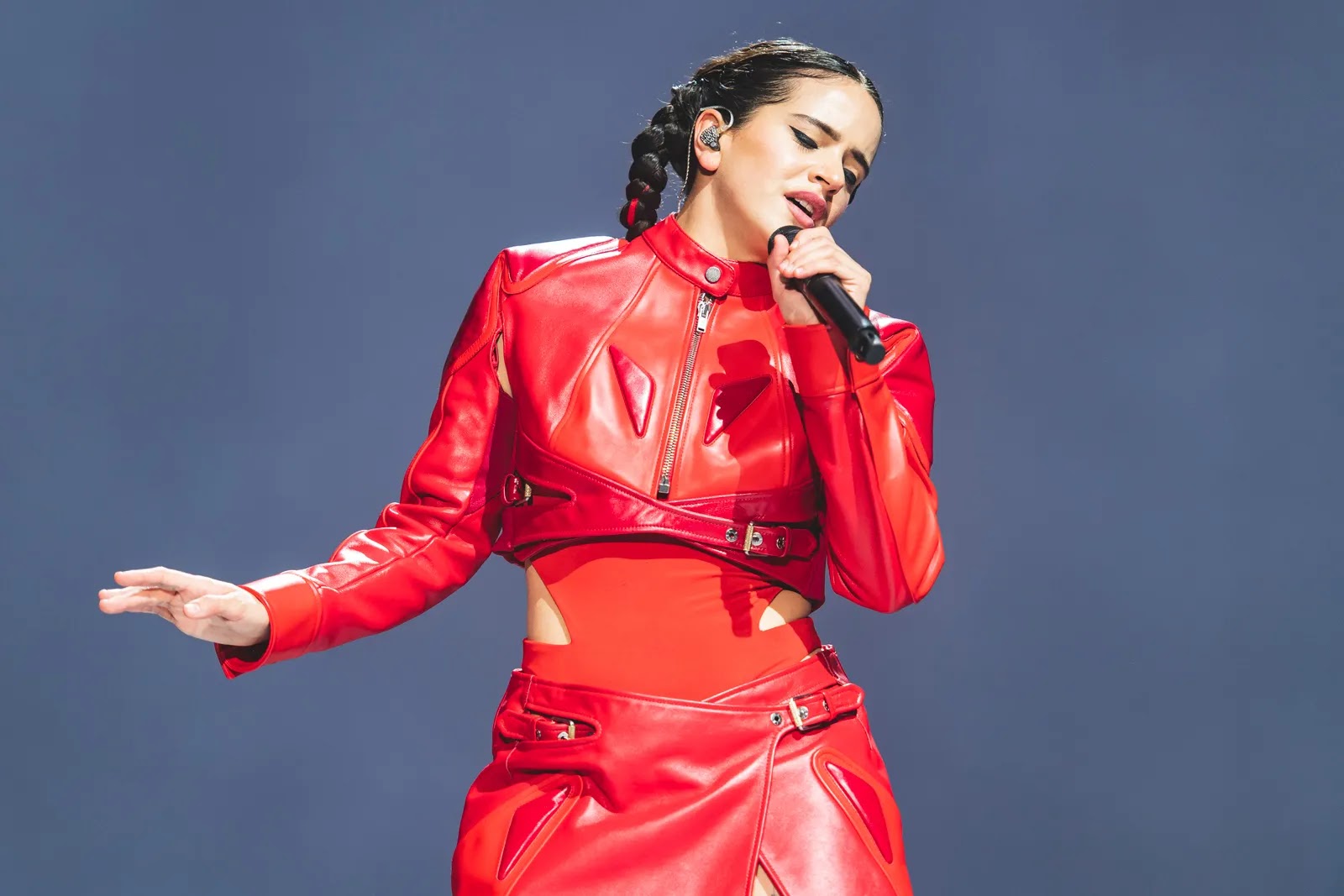
In addition to her recorded work, Rosalía’s live performances are a major part of her identity. She is known for highly stylized stage productions that combine choreography, cinematic visuals, and vocal performance. Her tours, particularly for “El Mal Querer” and “Motomami,” have been praised for their innovation and theatricality.
As of today, Rosalía stands as one of the most important figures in global contemporary music. Her ability to merge tradition with innovation, and cultural specificity with global appeal, places her in a unique category of artists who redefine genre boundaries rather than simply working within them. Her journey from a Catalan flamenco student to an international superstar reflects not only personal artistic evolution but also a broader shift in how global music is created, consumed, and understood in the digital age.
Her legacy continues to develop, but what is already clear is that Rosalía has permanently altered the landscape of modern pop and Latin music.
Recommended: Earn From Your Phone
- Easy Dollar Maker — earn in dollars uploading AI images and videos from your phone ($17). Check it out
- Video Editing Blueprint for Beginners — learn video editing and start creating content ($10). Check it out
- CapCut Pro (Lifetime Access) — the pro video editor for your TikToks and music videos ($3.40). Check it out
Disclosure: These are affiliate links. If you buy through them, I may earn a commission at no extra cost to you.