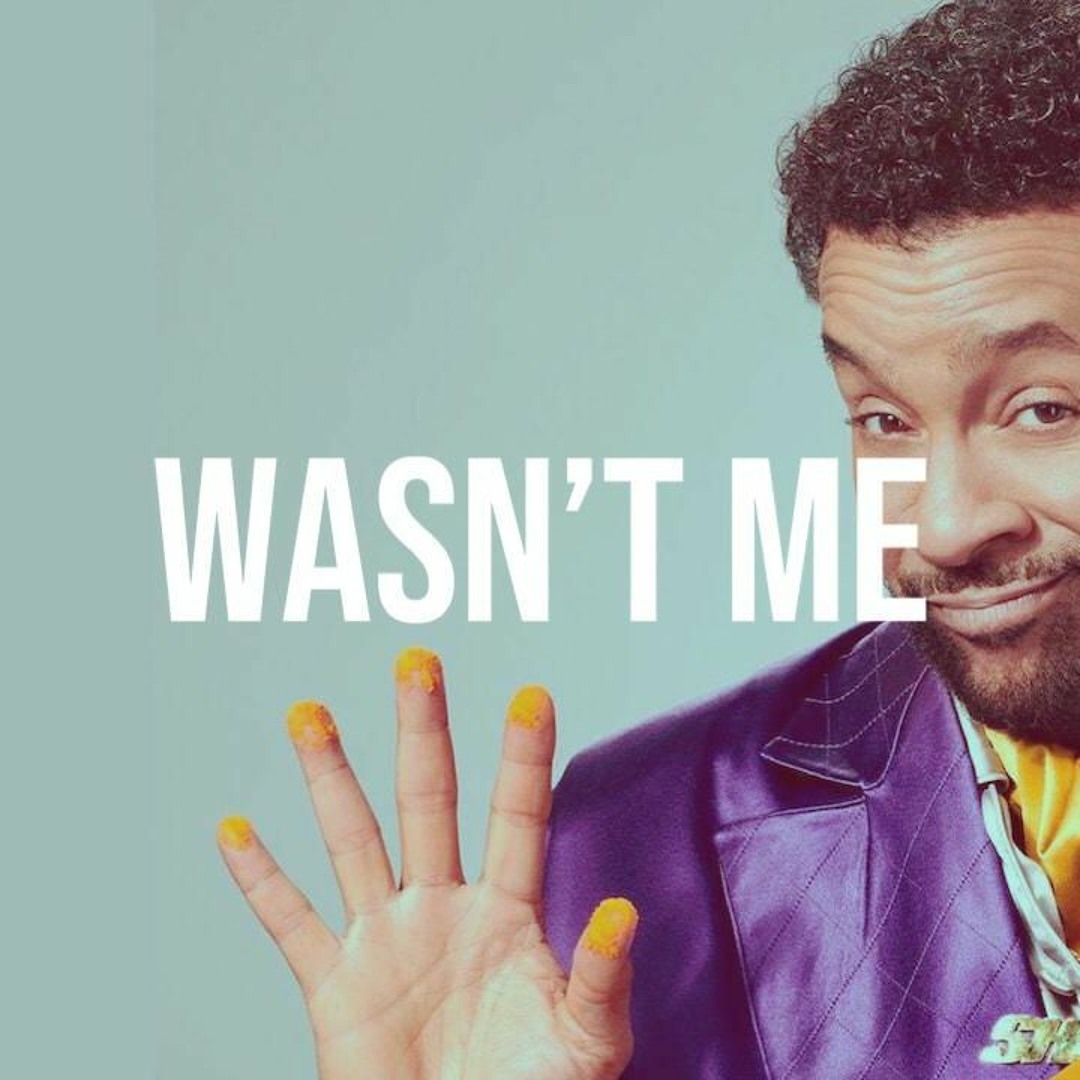
Shaggy – It Wasn’t Me
Few songs in popular music history have managed to capture humor, controversy, confession, denial, and irresistible rhythm all at once the way Shaggy – It Wasn’t Me does. Released at the turn of the millennium, Shaggy – It Wasn’t Me quickly transformed from a simple storytelling track into a cultural catchphrase that echoed across radio stations, school corridors, living rooms, clubs, and even everyday arguments between friends and couples. More than two decades later, Shaggy – It Wasn’t Me remains one of the most recognizable and replayed crossover hits ever produced by a dancehall artist, proving that great storytelling paired with a memorable hook can travel across generations effortlessly.
From the very first line, Shaggy – It Wasn’t Me introduces listeners to a dramatic scenario that feels instantly relatable. A man is caught in a compromising situation by his partner, and instead of offering remorse or accountability, he turns to a friend for advice. The unexpected twist comes in the form of the now legendary suggestion that he simply deny everything. This humorous but controversial advice became the emotional backbone of Shaggy – It Wasn’t Me, turning the phrase into a global meme long before social media even existed. The brilliance of the track lies in how it transforms a morally questionable situation into something listeners can laugh about while still recognizing the lesson hidden underneath the surface.
One of the strongest elements that makes Shaggy – It Wasn’t Me unforgettable is its conversational storytelling style. Rather than sounding like a traditional song structured around abstract lyrics, it feels like a real conversation between friends happening in real time. That natural flow helped listeners feel as though they were part of the scene rather than just observers. It created an immersive listening experience that few songs achieve so effortlessly. Even today, when someone jokingly denies something obvious, the phrase “it wasn’t me” instantly brings the song to mind.
Musically, Shaggy – It Wasn’t Me stands out because it successfully blends reggae influences with mainstream pop accessibility. The rhythm carries the unmistakable warmth and bounce of Caribbean sound, while the production keeps it polished enough for global radio appeal. This balance played a major role in helping Shaggy – It Wasn’t Me reach audiences far beyond traditional reggae and dancehall listeners. It became a bridge between cultures, genres, and age groups, proving that great music does not need boundaries to succeed.
Another reason why Shaggy – It Wasn’t Me continues to resonate strongly with audiences is its clever use of humor. Instead of presenting heartbreak in a heavy or emotional tone, the song approaches the situation with playful irony. The listener knows the advice being given is clearly wrong, yet the delivery is so entertaining that it becomes impossible not to smile. That mixture of comedy and realism helped Shaggy – It Wasn’t Me stand apart from other relationship themed songs released during the same era.
The performance chemistry between the vocalists also contributes greatly to the song’s timeless appeal. Their interaction feels authentic and spontaneous, reinforcing the idea that listeners are overhearing an honest conversation between two friends navigating a complicated situation. This authenticity makes Shaggy – It Wasn’t Me feel less like a scripted narrative and more like a snapshot of everyday life. That sense of realism continues to draw new listeners into the story even decades after its original release.
Lyrically, Shaggy – It Wasn’t Me demonstrates the power of simplicity. The song does not rely on complicated metaphors or poetic structures. Instead, it uses direct language that anyone can understand immediately. This accessibility helped the song spread quickly across different regions and cultures because listeners did not need deep interpretation to connect with it. They simply understood the situation and reacted to it emotionally or humorously depending on their perspective. That universal relatability remains one of the strongest reasons why Shaggy – It Wasn’t Me still feels fresh today.
Culturally, Shaggy – It Wasn’t Me played an important role in shaping early 2000s pop music. At a time when many crossover experiments struggled to maintain authenticity, the song managed to keep its Caribbean identity intact while still achieving global success. It showed record labels that audiences were ready to embrace international sounds without requiring them to be heavily modified. In many ways, Shaggy – It Wasn’t Me helped open doors for future artists who wanted to bring regional styles into the global spotlight.
The phrase at the center of Shaggy – It Wasn’t Me also became a linguistic phenomenon. It moved beyond music and entered everyday conversation. People began using it jokingly in workplaces, classrooms, friendships, and relationships whenever they wanted to deny responsibility for something obvious. Few songs manage to contribute new expressions to everyday language, but Shaggy – It Wasn’t Me achieved exactly that. It became more than a song. It became a shared cultural reference point.
Another aspect worth appreciating in Shaggy – It Wasn’t Me is its replay value. Many songs lose their impact after repeated listening, but this track continues to entertain even after countless plays. Each listen reveals another detail in the storytelling, another humorous moment, or another clever vocal interaction. That consistency keeps Shaggy – It Wasn’t Me alive on playlists across generations, making it both nostalgic for older listeners and exciting for younger audiences discovering it for the first time.
Shaggy – It Wasn’t Me
The production quality of Shaggy – It Wasn’t Me also deserves recognition. The instrumental arrangement remains clean and balanced, allowing the vocals to take center stage without being overwhelmed. This clarity helps listeners focus on the narrative while still enjoying the rhythmic groove that drives the song forward. Even when compared to modern recordings, the sound design of Shaggy – It Wasn’t Me still holds up remarkably well, which speaks to the timelessness of its production choices.
Interestingly, Shaggy – It Wasn’t Me also sparked conversations about honesty and accountability in relationships. While the song presents denial as comedic advice, many listeners interpreted it as a reminder of the importance of communication and trust. This dual interpretation allowed Shaggy – It Wasn’t Me to function both as entertainment and as social commentary depending on the listener’s perspective. That layered meaning helped extend its relevance beyond simple radio enjoyment.
The success of Shaggy – It Wasn’t Me also demonstrated the power of storytelling in popular music. Instead of relying solely on melody or rhythm, the song built its impact around a relatable narrative that unfolded step by step. This approach encouraged listeners to follow the story from beginning to end, increasing engagement and emotional investment. It proved that listeners appreciate songs that feel like experiences rather than just background sound.
Another reason why Shaggy – It Wasn’t Me continues to thrive is its adaptability across different listening environments. Whether played at a party, during a casual drive, or as part of a nostalgia playlist, the song fits naturally into the atmosphere. Its upbeat rhythm keeps energy levels high while its humorous storyline keeps listeners entertained. This versatility ensures that Shaggy – It Wasn’t Me never feels out of place regardless of the setting.
The legacy of Shaggy – It Wasn’t Me also includes its influence on internet culture years after its release. As digital communication expanded, the phrase “it wasn’t me” became widely used in memes, captions, and jokes online. This unexpected second life introduced the song to entirely new audiences who may not have heard it during its original chart run. Through this digital revival, Shaggy – It Wasn’t Me proved that truly memorable music can evolve alongside changing technology.
Another remarkable strength of Shaggy – It Wasn’t Me is how effortlessly it balances controversy with charm. The storyline revolves around a sensitive subject, yet the delivery keeps the tone light enough to remain entertaining rather than uncomfortable. This delicate balance allowed the song to remain radio friendly while still exploring real life relationship challenges. Few songs manage to handle such themes with the same level of skill and accessibility.
Even today, when listeners revisit Shaggy – It Wasn’t Me, they often find themselves singing along almost immediately. The chorus is so recognizable that it requires no introduction. That instant familiarity contributes significantly to the song’s staying power. It reminds audiences of a time when music was shared through radio requests, compact discs, and word of mouth rather than algorithms alone. That nostalgic connection strengthens the emotional impact of Shaggy – It Wasn’t Me every time it plays.
Ultimately, the lasting appeal of Shaggy – It Wasn’t Me lies in its ability to combine humor, rhythm, storytelling, and cultural relevance into a single unforgettable listening experience. It stands as a reminder that great songs do not always need complicated structures or dramatic production to succeed. Sometimes all it takes is a relatable situation, a memorable phrase, and a confident performance delivered at exactly the right moment in musical history. That combination ensures that Shaggy – It Wasn’t Me will continue entertaining audiences for many years to come while maintaining its position as one of the most iconic crossover hits ever recorded.
Recommended: Earn From Your Phone
- Easy Dollar Maker — earn in dollars uploading AI images and videos from your phone ($17). Check it out
- Video Editing Blueprint for Beginners — learn video editing and start creating content ($10). Check it out
- CapCut Pro (Lifetime Access) — the pro video editor for your TikToks and music videos ($3.40). Check it out
Disclosure: These are affiliate links. If you buy through them, I may earn a commission at no extra cost to you.