SZA
SZA

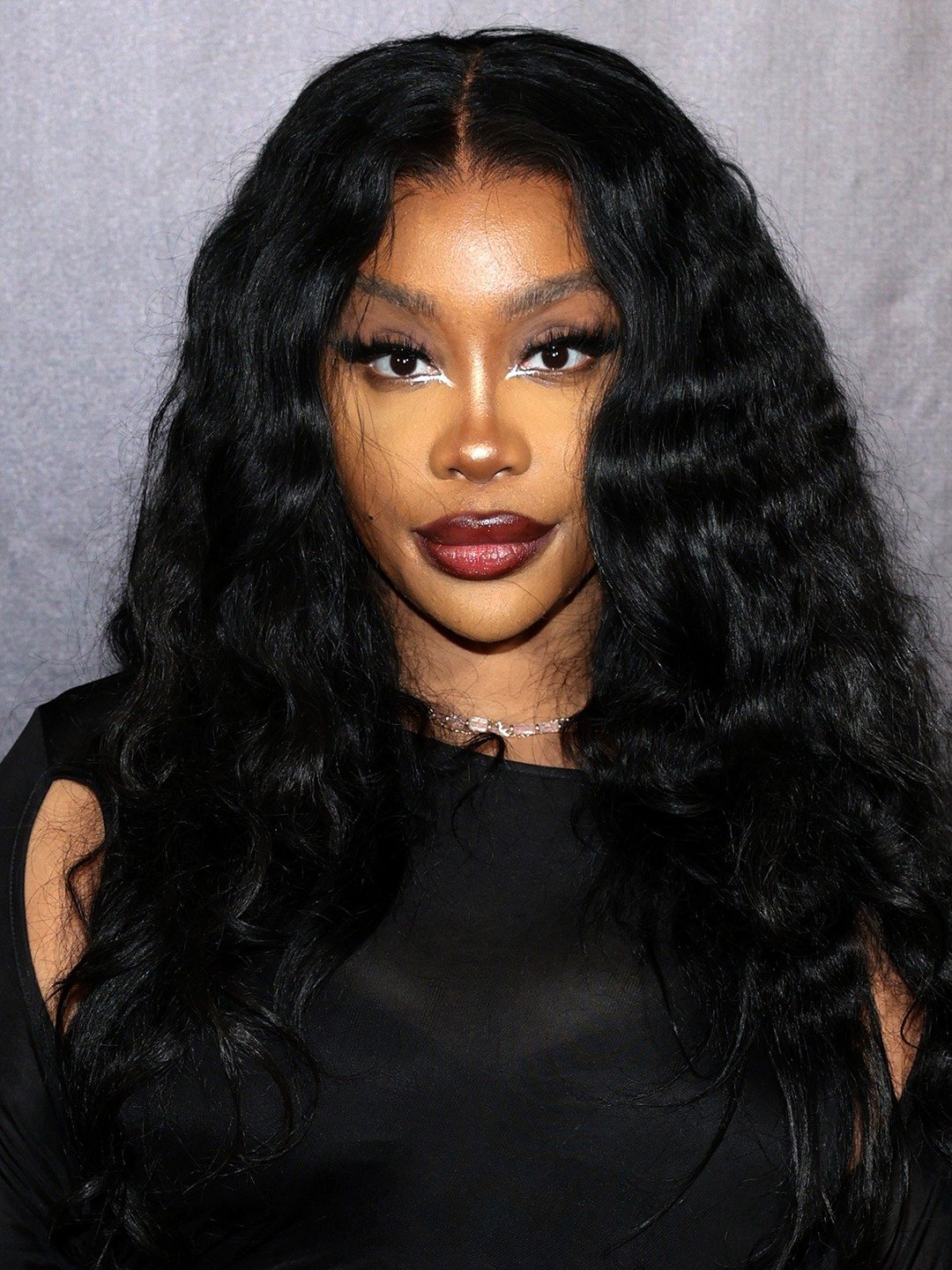
SZA, born Solána Imani Rowe on November 8, 1989, is an American singer, songwriter, and one of the most influential voices in contemporary R&B and alternative soul. Her rise from an independent underground artist to a globally recognized Grammy-winning musician is a story shaped by experimentation, emotional honesty, and a refusal to be boxed into traditional genre boundaries. Over the years, she has become known for blending vulnerability with sharp lyricism, creating music that speaks to love, insecurity, identity, and emotional complexity in a way that resonates deeply with a broad audience.
SZA was born in St. Louis, Missouri, and later raised in Maplewood, New Jersey. Her upbringing played a significant role in shaping her artistic identity. Her father worked as an executive producer at CNN, while her mother was an executive at AT&T, giving her a relatively stable middle-class background. However, her early life was not without challenges. She was raised in a Muslim household and often experienced cultural and religious expectations that influenced her sense of identity and belonging. In school, she was academically strong and deeply involved in extracurricular activities, but she also struggled with social anxiety and self-image issues, themes that would later become central in her music.
Before fully pursuing music, SZA initially attended Delaware State University, where she studied marine biology. Her academic path reflects a period of uncertainty and exploration, as she was torn between a conventional career and her creative instincts. Eventually, she dropped out in her final semester, a decision that marked a turning point in her life. Rather than returning to a traditional academic or corporate path, she began focusing more seriously on music, a passion she had been quietly nurturing through songwriting and experimenting with sound.
Her stage name, SZA, is derived from the Supreme Alphabet, influenced by the Nation of Islam and the Five-Percent Nation teachings. It stands for “Sovereign Zig-Zag Allah,” though she has often explained that she uses the name more for its symbolic resonance than strict religious affiliation. This name choice reflects her early artistic identity, which was rooted in independence, self-definition, and spiritual curiosity.
SZA’s entry into the music industry was unconventional. She began releasing music independently on SoundCloud around the early 2010s, where her early EPs, including “See.SZA.Run” and “S,” gained attention for their raw, atmospheric sound. These projects were experimental, blending R&B with elements of indie, hip-hop, and lo-fi production. Her voice—soft yet emotionally piercing—quickly stood out in an increasingly crowded digital music space.
Her breakthrough came when she signed with Top Dawg Entertainment (TDE), a label known for its roster of influential artists such as Kendrick Lamar, ScHoolboy Q, and Isaiah Rashad. Initially, SZA was not fully confident in her position within the label. She has spoken openly about feeling like an outsider in a predominantly male and rap-focused environment. However, this tension also helped refine her artistry, pushing her to develop a unique sound that contrasted with the label’s traditional output.
In 2017, SZA released her debut studio album, “Ctrl,” which became a cultural landmark in modern R&B. The album was critically acclaimed for its honest portrayal of modern womanhood, relationships, insecurity, and emotional vulnerability. Songs like “Love Galore,” “The Weekend,” “Broken Clocks,” and “Drew Barrymore” showcased her ability to turn deeply personal experiences into universally relatable narratives. “Ctrl” did not rely on polished perfection; instead, it embraced imperfection, emotional contradiction, and raw honesty.
The impact of “Ctrl” was immediate and long-lasting. It was nominated for multiple Grammy Awards and is widely regarded as one of the best albums of the 2010s. Critics praised SZA for redefining what R&B could sound like in the streaming era, blending confessional songwriting with minimalist yet experimental production. The album also positioned her as a voice for a generation navigating complex relationships, digital culture, and evolving identity norms.
Following the success of “Ctrl,” SZA experienced a prolonged period of anticipation from fans for new music. During this time, she contributed features to several major projects and collaborated with high-profile artists. One of her most notable collaborations was with Kendrick Lamar on the song “All the Stars” for the “Black Panther” soundtrack in 2018. The track received global acclaim and multiple award nominations, further cementing her status as a mainstream artist with international reach.
Despite her success, SZA has been open about struggling with anxiety, self-doubt, and creative pressure. She has often spoken about the emotional toll of fame and the difficulty of meeting expectations after a highly successful debut album. These challenges influenced her creative process, leading to a slower but more intentional approach to her second studio album.
In 2022, SZA released her long-awaited second album, “SOS,” which marked a major evolution in her sound and artistic scope. The album expanded beyond R&B into pop, rock, hip-hop, and alternative influences, reflecting a more experimental and expansive vision. “SOS” included major hits such as “Kill Bill,” “Snooze,” “Nobody Gets Me,” and “Shirt.” The project broke streaming records and spent multiple weeks at the top of the Billboard 200 chart, demonstrating her sustained relevance and growing global appeal.
“Kill Bill” in particular became a cultural phenomenon, topping charts worldwide and showcasing SZA’s ability to blend dark humor with emotional storytelling. The album as a whole explored themes of heartbreak, revenge, self-worth, and emotional chaos, presenting a more assertive and complex version of her artistic persona compared to “Ctrl.”
Beyond her music, SZA has also become a cultural figure known for her authenticity on social media, where she often shares unfiltered thoughts, humor, and reflections on life. This openness has strengthened her connection with fans, who appreciate her relatability and refusal to maintain a strictly polished celebrity image.
Her influence extends beyond music into fashion and cultural discourse. She is frequently cited as an inspiration by younger artists for her willingness to experiment and prioritize emotional honesty over commercial formulas. Her aesthetic, which blends natural beauty, eclectic fashion, and expressive individuality, has also made her a style icon in contemporary culture.
SZA’s legacy continues to grow as she remains one of the defining voices of modern R&B. Her work has helped reshape the genre by blending vulnerability with genre-fluid experimentation, opening doors for a new generation of artists who prioritize emotional authenticity over conventional structure. She represents a shift in music where personal narrative, imperfection, and emotional depth are not only accepted but celebrated.
Today, SZA stands as both a critical and commercial powerhouse in the global music industry. Her journey from a quiet, uncertain student to one of the most influential artists of her generation highlights the power of artistic authenticity and persistence. As she continues to evolve, her music remains a reflection of human complexity, messy, honest, and deeply resonant.
Recommended: Earn From Your Phone
- Easy Dollar Maker — earn in dollars uploading AI images and videos from your phone ($17). Check it out
- Video Editing Blueprint for Beginners — learn video editing and start creating content ($10). Check it out
- CapCut Pro (Lifetime Access) — the pro video editor for your TikToks and music videos ($3.40). Check it out
Disclosure: These are affiliate links. If you buy through them, I may earn a commission at no extra cost to you.