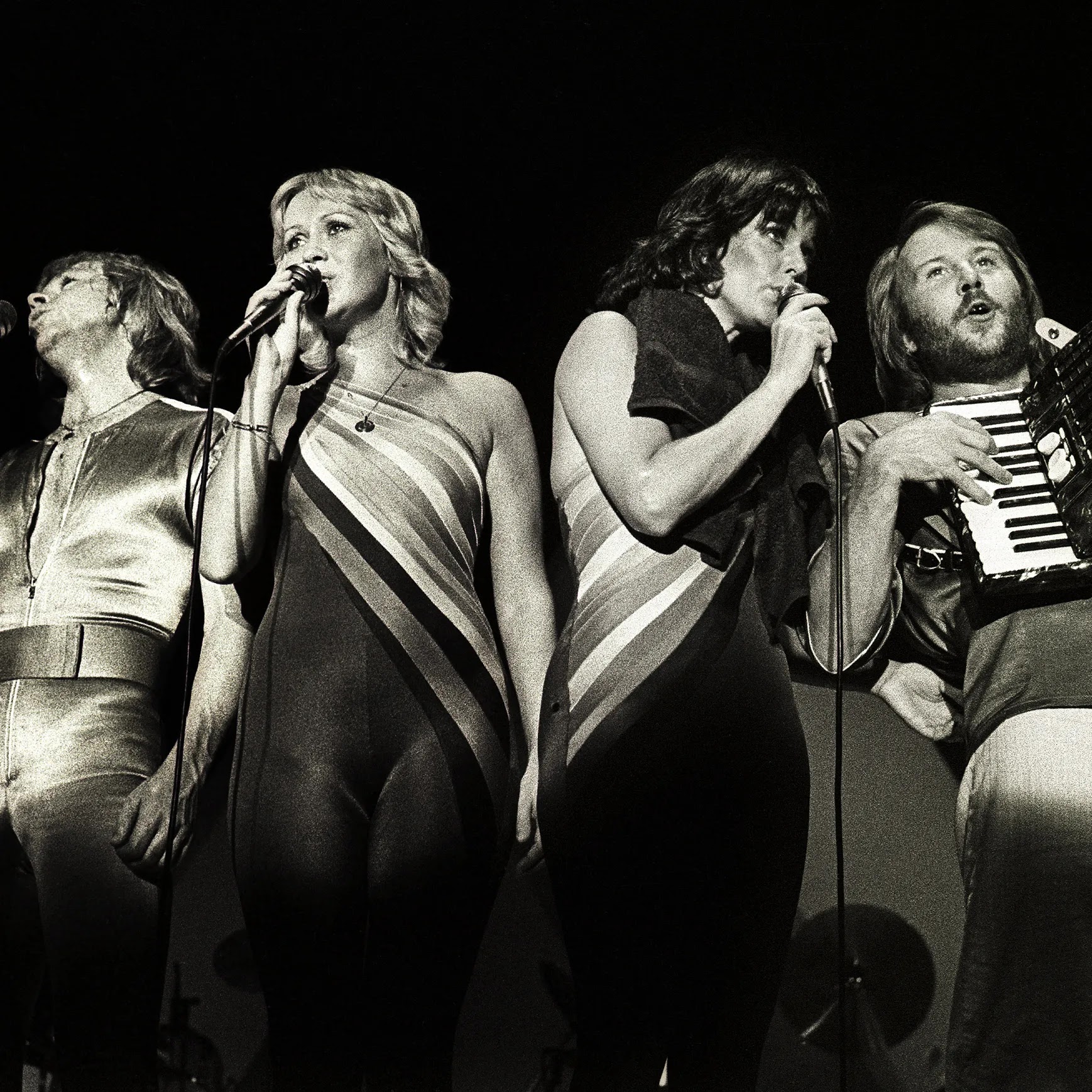
ABBA
ABBA
ABBA is one of the most successful, influential, and enduring pop music groups in history, known for shaping the sound and global reach of pop music in the 1970s and beyond. Formed in Stockholm, Sweden, the group consists of two couples at its origin: Agnetha Fältskog, Björn Ulvaeus, Benny Andersson, and Anni-Frid Lyngstad. Their story is not just about music success but also about creativity, personal relationships, reinvention, and a legacy that continues to resonate across generations.
The origins of ABBA trace back to the late 1960s and early 1970s when Björn Ulvaeus and Benny Andersson first met and began collaborating musically. Björn was already part of a folk group called Hootenanny Singers, while Benny had gained experience as a keyboardist in the popular Swedish rock band Hep Stars. Their musical chemistry quickly became evident, and they started writing songs together, gradually developing a signature style that blended pop melodies with rich harmonies and layered production. Their partnership would become the backbone of ABBA’s songwriting identity.
Around the same time, Agnetha Fältskog was emerging as a successful solo artist in Sweden. She had a strong, emotional vocal style and had already achieved chart success in her home country. Anni-Frid Lyngstad, often known as Frida, was also building her career as a solo performer, participating in singing competitions and releasing her own recordings. The two women brought distinct vocal qualities to the group: Agnetha’s bright, clear tone contrasted beautifully with Frida’s deeper, more soulful voice. This vocal contrast became one of ABBA’s defining characteristics.
The formation of ABBA as a group began informally when the four artists started working together on recording projects and performances in the early 1970s. Initially, they were credited under variations of their names, such as Björn & Benny, Agnetha & Anni-Frid. It was not until 1973 that they began to function more clearly as a unified group. Their breakthrough came in 1974 when they entered the Eurovision Song Contest with the song “Waterloo.” Their performance was energetic, colorful, and unlike anything the contest had seen before. “Waterloo” won the competition, and the victory instantly propelled them into international fame. The song also became a number one hit across Europe and reached audiences in the United Kingdom and beyond, marking the true beginning of ABBA as a global phenomenon.
Following their Eurovision success, ABBA began a period of rapid international expansion. Their early albums such as “Ring Ring” and “Waterloo” helped establish their sound, but it was their later works that cemented their legacy. Songs like “SOS,” “Mamma Mia,” “Fernando,” and “Dancing Queen” showcased their ability to combine catchy melodies with emotional depth and sophisticated production. “Dancing Queen,” released in 1976, became one of their most iconic tracks, reaching number one in multiple countries and remaining one of the most recognizable pop songs of all time.
ABBA’s music was characterized by polished production, memorable hooks, and emotional storytelling. Benny Andersson and Björn Ulvaeus were the primary songwriters, crafting intricate pop compositions that balanced commercial appeal with musical sophistication. Their work in the studio was meticulous, often involving multiple recording layers to achieve the perfect sound. This attention to detail set them apart from many contemporaries in the pop world.
During the late 1970s, ABBA reached the peak of their global fame. Albums such as “Arrival” (1976), “ABBA: The Album” (1977), and “Voulez-Vous” (1979) dominated charts worldwide. Their popularity was especially strong in Europe, Australia, and parts of South America, while they also gained a growing audience in North America. Their tours were highly successful, featuring elaborate stage productions and enthusiastic fan responses.
However, behind the scenes, the personal relationships within the group were becoming increasingly strained. Both couples—Agnetha Fältskog and Björn Ulvaeus, and Anni-Frid Lyngstad and Benny Andersson—eventually experienced marital breakdowns. Agnetha and Björn divorced in 1980, while Frida and Benny separated in 1981. These personal changes inevitably influenced the emotional tone of their later music. Songs such as “The Winner Takes It All” and “When All Is Said and Done” reflect themes of heartbreak, separation, and reflection, often interpreted as deeply personal expressions of their real-life experiences.
Despite these challenges, ABBA continued to produce successful music into the early 1980s. Albums like “Super Trouper” (1980) and “The Visitors” (1981) demonstrated a more mature and introspective sound. “The Visitors” in particular is often regarded as one of the first pop albums to explore darker, more complex emotional and political themes, including Cold War anxieties. However, by this time, the group members were increasingly pursuing separate lives and interests.
In 1982, ABBA went on an indefinite hiatus. There was no official announcement of a breakup, but the group effectively stopped recording and performing together. Each member moved on to solo projects and personal endeavors. Agnetha Fältskog pursued a solo singing career, releasing several albums. Anni-Frid Lyngstad also recorded solo music and later became involved in environmental and humanitarian causes. Benny Andersson and Björn Ulvaeus continued to collaborate on musical projects, including musicals and theatrical productions.
Although ABBA was inactive for decades, their music never lost popularity. In fact, their songs experienced renewed interest in the 1990s, particularly after the release of the compilation album “ABBA Gold” in 1992. This album became one of the best-selling compilation albums in history, introducing ABBA’s music to a new generation of listeners. Their influence also grew in pop culture through films, commercials, and stage adaptations.
One of the most significant developments in ABBA’s legacy came with the creation of the musical “Mamma Mia!”, which premiered in 1999. Built around ABBA’s greatest hits, the musical became a global theatrical success and later inspired two blockbuster films. This project solidified ABBA’s status not only as musicians but as cultural icons whose work transcended generations and mediums.
In a historic turn of events, ABBA reunited in the 2020s to release new music after nearly 40 years. Their album “Voyage,” released in 2021, was met with worldwide excitement. The project also included a virtual concert experience featuring digital avatars of the group, blending modern technology with their classic style. This comeback demonstrated their continued relevance and ability to innovate within the evolving music industry.
ABBA’s legacy today is immense. They are widely regarded as pioneers of pop music production, influencing countless artists across genres such as pop, dance, and electronic music. Their ability to craft emotionally resonant yet commercially successful songs has made them a blueprint for modern pop songwriting. Artists from Madonna to Lady Gaga, and many contemporary pop acts, have cited ABBA as an influence.
Beyond music, ABBA represents a cultural phenomenon that bridged nations and generations. Their fashion, visual style, and stage presence contributed to their iconic image, while their songs continue to be played globally in films, playlists, and live performances. Their induction into various music halls of fame and continued streaming dominance highlight their lasting impact.
Today, ABBA remains a symbol of timeless pop excellence. Their journey from Swedish musicians to global superstars reflects not only talent and innovation but also resilience and artistic evolution. Even decades after their initial rise, their music continues to resonate, proving that great pop songs can transcend time, language, and cultural boundaries.
Recommended: Earn From Your Phone
- Easy Dollar Maker — earn in dollars uploading AI images and videos from your phone ($17). Check it out
- Video Editing Blueprint for Beginners — learn video editing and start creating content ($10). Check it out
- CapCut Pro (Lifetime Access) — the pro video editor for your TikToks and music videos ($3.40). Check it out
Disclosure: These are affiliate links. If you buy through them, I may earn a commission at no extra cost to you.