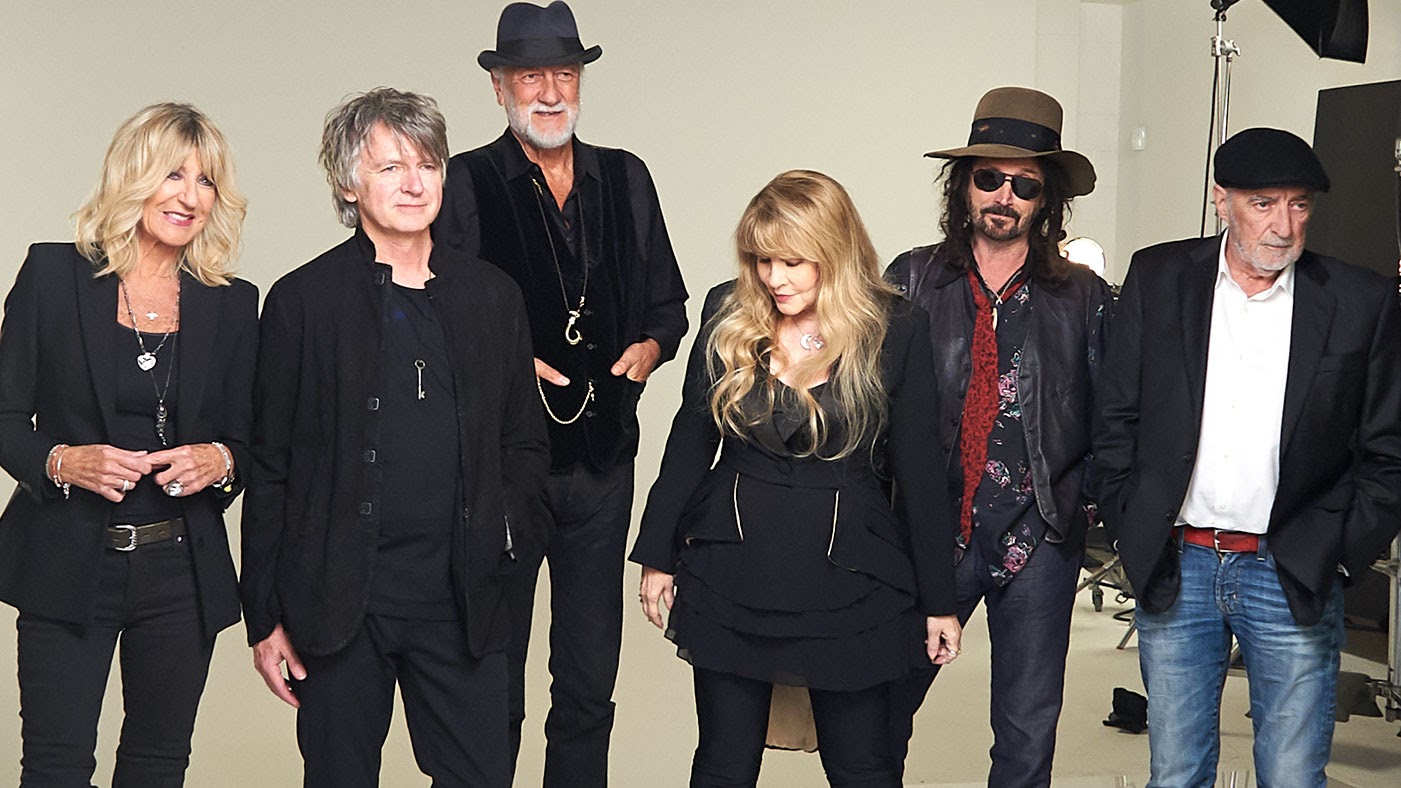
Fleetwood Mac
Fleetwood Mac
Fleetwood Mac is one of the most influential and enduring rock bands in modern music history, known for its shifting lineup, emotional songwriting, and a sound that evolved dramatically over decades. From its beginnings as a British blues outfit to becoming a global soft rock powerhouse in the 1970s and 1980s, Fleetwood Mac’s journey is as complex as the relationships between its members. Their story is often used as a case study in how personal conflict, creative tension, and musical chemistry can combine to produce timeless art.
The band was formed in London in 1967 by guitarist Peter Green, drummer Mick Fleetwood, and guitarist Jeremy Spencer. The name “Fleetwood Mac” was derived from the surnames of Mick Fleetwood and bassist John McVie, who joined shortly after formation. Initially, the group was deeply rooted in British blues, heavily influenced by artists like John Mayall & the Bluesbreakers, where both Green and McVie had previously played. Early Fleetwood Mac was not the pop-rock phenomenon it would later become; instead, it was respected in blues circles for its raw guitar work and authentic interpretations of traditional blues styles.
Peter Green was the driving creative force in the early years. His songwriting and guitar tone defined early classics such as “Albatross,” “Black Magic Woman,” and “Oh Well.” These tracks brought the band significant success in the UK and even some international recognition. However, internal instability soon became a defining feature of the group. Jeremy Spencer left abruptly in 1971 after a strange disappearance during a U.S. tour, later joining a religious group. Peter Green also struggled with mental health issues and substance use, eventually leaving the band the same year. His departure marked the end of Fleetwood Mac’s first major era.
Following Green’s exit, Mick Fleetwood and John McVie remained as the only constant members, steering the band through a transitional period. During the early 1970s, Fleetwood Mac experimented with different lineups and musical directions, incorporating musicians such as Bob Welch, who helped shift the band toward a more melodic rock sound. Albums like “Future Games” (1971) and “Bare Trees” (1972) began to show this evolution. While not yet achieving massive commercial success in the United States, the band was gradually moving away from its blues roots toward a softer, more radio-friendly style.
A pivotal moment came in 1974 when Bob Welch left the band. Mick Fleetwood, searching for a new recording studio in California, was introduced to American duo Lindsey Buckingham and Stevie Nicks. At the time, Buckingham and Nicks had released one album together, “Buckingham Nicks,” but were struggling commercially. Fleetwood invited Buckingham to join Fleetwood Mac, and Buckingham insisted that Nicks be included as well. This decision would completely redefine the band’s identity.
With the addition of Buckingham and Nicks, alongside Christine McVie (keyboardist and John McVie’s wife), Fleetwood Mac transformed into a multi-vocal, songwriting-driven ensemble. Their 1975 self-titled album marked the beginning of their most commercially successful era. The album produced hits like “Rhiannon,” “Say You Love Me,” and “Over My Head,” introducing a smoother California rock sound that contrasted sharply with their earlier blues work.
However, the making of their next album, “Rumours” (1977), became legendary not just for its success but for the personal turmoil behind it. At this time, both Mick Fleetwood and John McVie were divorcing their wives—Christine McVie and John McVie’s marriage was ending—and Stevie Nicks and Lindsey Buckingham were also going through a highly public breakup. These emotional fractures were occurring while the band was recording together in the studio.
Instead of breaking the group apart, the tension fueled creativity. Each member wrote songs reflecting their personal pain, betrayal, and emotional conflict. Tracks such as “Go Your Own Way” (Buckingham), “Dreams” (Nicks), “Don’t Stop” (Christine McVie), and “The Chain” (a collaborative piece) became defining songs of the era. The album “Rumours” went on to become one of the best-selling albums in history, praised for its emotional honesty and polished production. It remains a cultural landmark, often cited as a perfect balance of commercial appeal and artistic depth.
Following the success of “Rumours,” Fleetwood Mac faced the challenge of sustaining momentum while managing internal instability. Their next album, “Tusk” (1979), led by Lindsey Buckingham’s experimental vision, departed from the polished sound of “Rumours.” It incorporated unconventional recording techniques and avant-garde influences, partly inspired by post-punk and art rock. Although it did not match the commercial success of its predecessor, “Tusk” has since been re-evaluated as a bold and innovative work ahead of its time.
Throughout the 1980s, the band continued to experience lineup changes, solo projects, and intermittent reunions. Stevie Nicks and Lindsey Buckingham pursued successful solo careers, while Christine McVie released her own solo material. Mick Fleetwood and John McVie remained the rhythmic backbone of the band, ensuring continuity despite frequent disruptions.
Albums such as “Mirage” (1982) and “Tango in the Night” (1987) brought renewed commercial success, particularly the latter, which included hits like “Big Love,” “Little Lies,” and “Everywhere.” However, Lindsey Buckingham left the band shortly after “Tango in the Night,” highlighting once again the recurring instability within the group.
The 1990s and 2000s saw periodic reunions, including the highly publicized “The Dance” (1997) live album and concert tour, which reunited the classic “Rumours”-era lineup. This reunion was met with widespread enthusiasm and commercial success, reaffirming the band’s enduring popularity. Despite ongoing interpersonal tensions, Fleetwood Mac continued to tour intermittently, with various members coming and going.
Christine McVie left the band in 1998, citing exhaustion from touring life, but returned in 2014, restoring much of the classic lineup. Her return was seen as a significant moment for long-time fans, reuniting the core vocal and songwriting trio of Buckingham, Nicks, and McVie alongside Fleetwood and John McVie.
Fleetwood Mac’s live performances in the 2010s demonstrated their continued relevance, drawing large audiences across multiple generations. However, internal conflicts persisted. Lindsey Buckingham was ultimately dismissed from the band in 2018, replaced by Mike Campbell and Neil Finn for touring purposes. This decision sparked controversy and underscored the ongoing complexity of relationships within the group.
Christine McVie’s death in 2022 marked a profound moment in the band’s history. Her contributions as a songwriter and vocalist had been central to Fleetwood Mac’s sound, particularly on songs like “Everywhere,” “Songbird,” and “You Make Loving Fun.” Her passing effectively closed the chapter on what many consider the definitive version of the band.
Musically, Fleetwood Mac’s legacy is defined by their ability to evolve across genres while maintaining a distinct emotional core. From blues rock beginnings to soft rock mastery, their catalog reflects both experimentation and mainstream appeal. The dual songwriting forces of Buckingham and Nicks, combined with Christine McVie’s melodic sensibility, created a rare balance that resonated globally.
Beyond music, Fleetwood Mac’s cultural impact extends into film, television, social media, and modern pop culture. Songs like “Dreams” have experienced viral resurgences decades after release, demonstrating their timeless quality. Their influence can be heard in countless artists across rock, pop, indie, and alternative genres.
Today, Fleetwood Mac is widely regarded as one of the greatest rock bands of all time. Their history is marked by reinvention, emotional intensity, and extraordinary musical achievement. Despite decades of internal turbulence, the band produced a body of work that continues to define generations of listeners, securing their place in the global musical canon.
Recommended: Earn From Your Phone
- Easy Dollar Maker — earn in dollars uploading AI images and videos from your phone ($17). Check it out
- Video Editing Blueprint for Beginners — learn video editing and start creating content ($10). Check it out
- CapCut Pro (Lifetime Access) — the pro video editor for your TikToks and music videos ($3.40). Check it out
Disclosure: These are affiliate links. If you buy through them, I may earn a commission at no extra cost to you.