Chronixx
Chronixx
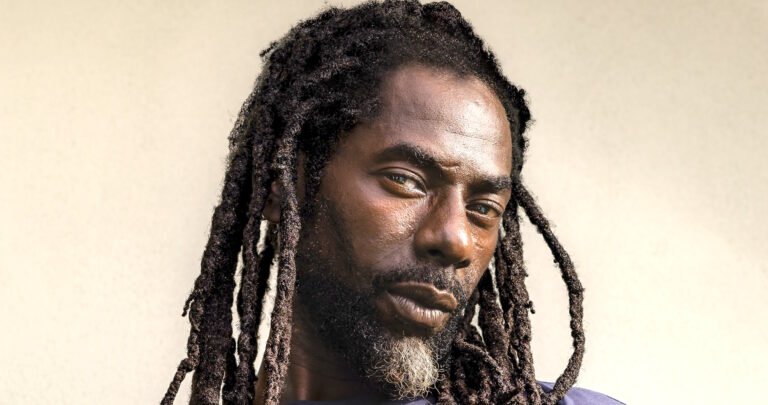
Buju Banton is one of the most influential figures in modern reggae and dancehall music, known for his deep voice, socially conscious lyrics, and ability to bridge hardcore dancehall with roots reggae spirituality. His career has spanned decades, marked by massive commercial success, artistic evolution, controversy, and a powerful cultural legacy that extends far beyond Jamaica.
Born Mark Anthony Myrie on July 15, 1973, in Kingston, Jamaica, Buju Banton grew up in the rough inner-city community of Salt Lane, an environment shaped by poverty, political tension, and limited opportunities. His early life experiences would later become a defining influence on his music, which often reflects themes of struggle, resilience, social injustice, and redemption. The nickname “Buju” is derived from a Jamaican term for breadfruit, while “Banton” is a Rastafarian title meaning a gifted storyteller or lyricist. From an early age, he showed a natural talent for music and began performing on local sound systems, which are central to Jamaica’s music culture and often serve as launching pads for young artists.
Buju Banton’s breakthrough came in the early 1990s when he emerged as one of the most distinctive voices in dancehall. His deep, gravelly vocal tone set him apart from his peers, many of whom favored higher-pitched, rapid-fire delivery. In 1992, he released his debut album “Mr. Mention,” which became an instant success in Jamaica. The album broke records at the time, including the then-unprecedented achievement of producing multiple hit singles that dominated local charts. Songs like “Bogle” and “Love Me Browning” made him a household name. However, the latter track sparked controversy due to its lyrical content addressing complexion preferences in relationships, reflecting ongoing cultural debates in Jamaican society about colorism.
As his popularity grew, Buju Banton quickly became a dominant force in dancehall music. His early work was characterized by raw energy, street realism, and often provocative lyrics that reflected the realities of urban Jamaican youth culture. However, unlike many of his contemporaries who remained within the dancehall space, Buju began to evolve musically and spiritually in the mid-1990s. This transformation was heavily influenced by his embrace of Rastafarianism, which led to a significant shift in both his lyrical themes and public image.
The turning point in his artistic journey came with the release of the 1995 album “Til Shiloh.” This project is widely regarded as one of the most important reggae albums of all time. It marked a departure from his earlier “bad man” dancehall persona and introduced a more reflective, conscious, and spiritual Buju Banton. Songs like “Untold Stories,” “Wanna Be Loved,” and “Til I’m Laid to Rest” showcased his lyrical depth and ability to address poverty, inequality, faith, and personal redemption. The album is often credited with reshaping his career trajectory and elevating him into the ranks of global reggae icons.
Following “Til Shiloh,” Buju Banton continued to release a string of successful albums that solidified his international reputation. Projects such as “Inna Heights” (1997) and “Unchained Spirit” (2000) further demonstrated his versatility, blending roots reggae, dancehall, and even elements of gospel and hip-hop. During this period, he also gained significant recognition outside Jamaica, particularly in the United States, Europe, and Africa, where reggae music has a strong cultural following. His live performances became known for their intensity and spiritual energy, often drawing large, diverse audiences.
Despite his musical success, Buju Banton’s career has been marked by legal controversies that significantly impacted his life and public image. In the early 2010s, he faced serious legal charges in the United States related to drug trafficking allegations. After a highly publicized trial, he was convicted in 2011 and sentenced to prison. This period became one of the most challenging chapters in his life and career. However, even during incarceration, Buju maintained a strong fan base, and his music continued to circulate globally. Many supporters viewed his case as controversial, sparking debates about justice, celebrity treatment, and international legal systems.
While in prison, Buju Banton reportedly reflected deeply on his life, faith, and artistic mission. This period of forced absence from the music scene became a symbolic phase of transformation for him. His eventual release in December 2018 was met with widespread celebration among fans, particularly in Jamaica and across the global reggae community. Upon his return, he wasted no time re-entering the music industry, signaling a renewed commitment to his craft.
In 2020, Buju Banton released the album “Upside Down 2020,” marking his official comeback. The project featured collaborations with contemporary artists and demonstrated his ability to remain relevant in a rapidly evolving music industry. Songs like “Blessed” and “Steppa” showed that he could still command attention while adapting to modern production styles without losing his signature identity. The album received mixed to positive reviews, with critics noting that while it did not fully recapture the raw impact of his earlier classics, it reaffirmed his status as a major figure in reggae and dancehall.
Beyond music, Buju Banton is also known for his influence on generations of artists. Many modern reggae and dancehall performers cite him as a major inspiration due to his vocal style, lyrical depth, and fearless approach to addressing social issues. His ability to transition from hardcore dancehall to conscious reggae has served as a blueprint for artistic evolution within the genre. He is often compared to other reggae legends such as Bob Marley in terms of cultural impact, although their styles and eras are distinct.
Buju Banton’s music frequently explores themes such as poverty, political corruption, spirituality, love, and personal struggle. His lyrics often reflect the realities of life in Jamaica, particularly for marginalized communities. At the same time, he has also produced romantic and dance-oriented tracks that contributed to his mainstream appeal. This duality, balancing street credibility with conscious messaging, is one of the defining features of his artistic identity.
Over the years, Buju has received numerous accolades and recognition for his contribution to music. He has performed on some of the world’s biggest stages, including major international festivals and sold-out concerts across multiple continents. His influence extends beyond entertainment into cultural discourse, where he is often referenced in discussions about reggae’s global evolution and the role of music in social commentary.
Today, Buju Banton remains an active and respected figure in the music industry. Despite the ups and downs of his career, he continues to command a loyal fan base and remains a symbol of resilience and artistic transformation. His journey from the streets of Kingston to international stardom, through controversy and redemption, has made him one of the most compelling figures in modern reggae history.
In summary, Buju Banton’s life and career represent a complex blend of talent, struggle, reinvention, and cultural influence. From his explosive rise in the early 1990s to his spiritual transformation and eventual global recognition, he has consistently remained a powerful voice in music. His legacy is defined not only by his hits but also by his ability to evolve, survive adversity, and continue shaping the sound and message of reggae and dancehall music for new generations.
Recommended: Earn From Your Phone
- Easy Dollar Maker — earn in dollars uploading AI images and videos from your phone ($17). Check it out
- Video Editing Blueprint for Beginners — learn video editing and start creating content ($10). Check it out
- CapCut Pro (Lifetime Access) — the pro video editor for your TikToks and music videos ($3.40). Check it out
Disclosure: These are affiliate links. If you buy through them, I may earn a commission at no extra cost to you.