Buju Banton
Buju Banton
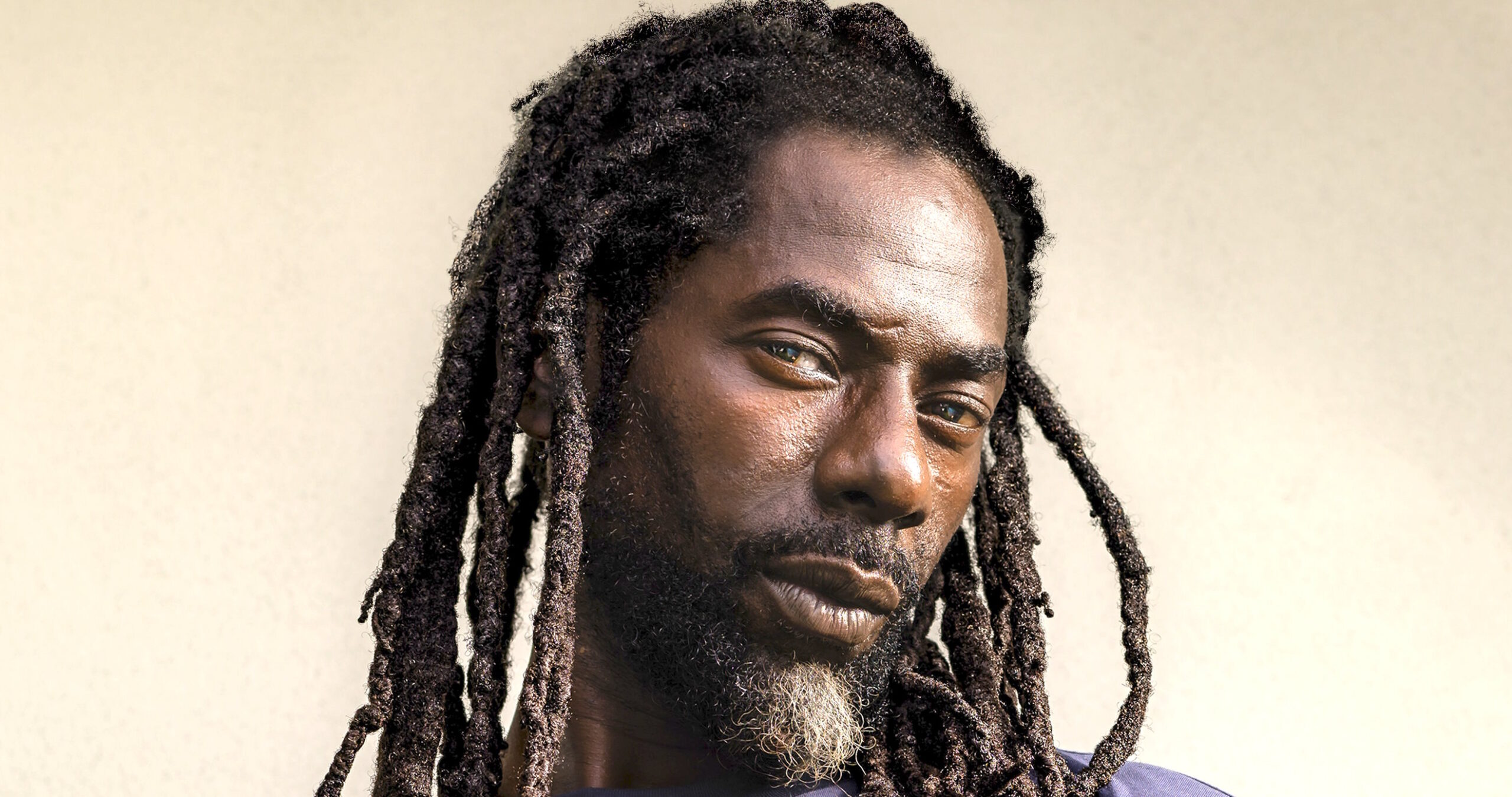
Buju Banton is one of the most influential and transformative figures in Jamaican music history, known for his powerful voice, commanding stage presence, and ability to evolve across musical eras while maintaining deep cultural authenticity. Born Mark Anthony Myrie on July 15, 1973, in Kingston, Jamaica, Buju Banton grew up in a working-class environment that shaped both his worldview and his early exposure to the realities of poverty, street life, and political tension in Jamaica. These experiences would later become central themes in his music, which often blends social commentary with spirituality, raw emotion, and dancehall energy.
From an early age, Buju Banton showed a strong inclination toward music and performance. He grew up listening to sound system culture, which dominates Jamaican musical life and serves as a grassroots platform for emerging artists. By his teenage years, he was already experimenting with deejaying (toasting) on local sound systems under the name “Buju Banton.” The name “Buju” was reportedly inspired by a type of breadfruit in Jamaica, symbolizing fullness or abundance, while “Banton” is a Jamaican slang term that refers to a storyteller or lyricist with strong lyrical ability. This combination reflected both his cultural grounding and his ambition to become a voice for the people.
Buju Banton’s breakthrough came in the early 1990s during a pivotal shift in Jamaican music. Dancehall was becoming more dominant than traditional reggae, and Banton quickly emerged as one of its most dynamic voices. His early hits such as “Stamina Daddy,” “Bogle,” and “Love Mi Browning” established him as a rising star known for his deep, gravelly voice and rapid-fire delivery. These songs often explored themes of sexuality, street life, and youthful bravado, which resonated strongly with Jamaican audiences and the diaspora. His debut album, Mr. Mention (1992), became a landmark release in dancehall history and set records in Jamaica for its rapid rise in popularity.
However, Buju Banton’s early career was also marked by controversy. Some of his early lyrical content drew criticism for being sexually explicit and, at times, socially provocative. Despite this, his talent was undeniable, and his ability to command attention made him one of the most talked-about artists in the Caribbean music scene. As his career progressed, however, he underwent a significant artistic and spiritual transformation that would redefine his legacy.
By the mid-1990s, Buju Banton began shifting toward more conscious and socially aware music. This transition was influenced by his growing interest in Rastafarianism, a spiritual and cultural movement rooted in Jamaica that emphasizes African identity, resistance to oppression, and spiritual upliftment. This shift was most clearly reflected in his 1995 album Til Shiloh, widely regarded as one of the greatest reggae albums of all time. The album marked a dramatic departure from his earlier dancehall persona, showcasing a more introspective, spiritual, and socially conscious artist.
Songs like “Untold Stories,” “Murderer,” and “Til I’m Laid to Rest” revealed a deeper philosophical side of Buju Banton. He addressed issues such as systemic inequality, violence, police brutality, and the struggles of inner-city life in Jamaica. “Untold Stories,” in particular, is often praised for its emotional depth and lyrical honesty, as Buju reflected on poverty and survival with a tone of humility and reflection rarely seen in mainstream dancehall at the time. This album not only expanded his artistic credibility but also solidified his position as a bridge between hardcore dancehall and roots reggae traditions.
Throughout the late 1990s and early 2000s, Buju Banton continued to release successful albums and maintain international recognition. Albums like Inna Heights (1997) and Unchained Spirit (2000) further explored spiritual themes and global musical influences. He collaborated with a wide range of artists across genres, helping to expand reggae and dancehall’s global footprint. His ability to adapt while staying rooted in Jamaican identity made him a key ambassador for Caribbean music worldwide.
Buju Banton’s career reached new commercial heights in the 2000s with albums such as Friends for Life (2003) and Rasta Got Soul (2009). The latter album earned a Grammy Award nomination for Best Reggae Album and reinforced his reputation as a leading voice in modern reggae. During this period, he also became known for his powerful live performances, often delivering emotionally charged sets that blended old hits with new conscious material.
However, Buju Banton’s career was interrupted by serious legal troubles. In 2011, he was convicted in the United States on drug-related charges and sentenced to prison. This period marked a significant turning point in his life and career. While incarcerated, he continued to maintain his musical identity and remained a symbolic figure for many fans who viewed him as both a cultural icon and a controversial figure who had made mistakes.
His imprisonment sparked widespread debate within the music industry and among fans. Many argued that his sentence was excessive and politically influenced, while others focused on the importance of accountability. Despite the controversy, Buju Banton’s influence did not fade. Instead, his absence from the music scene elevated his legendary status, particularly among reggae and dancehall enthusiasts who continued to celebrate his earlier work.
After serving nearly a decade in prison, Buju Banton was released in December 2018 and deported back to Jamaica. His return was met with massive public excitement, and he immediately resumed his music career. His comeback concert at the National Stadium in Kingston in 2019 was a historic event, drawing thousands of fans and marking one of the most significant returns in reggae history. The performance demonstrated that his voice, presence, and influence remained as powerful as ever.
Following his release, Buju Banton released the album Upside Down 2020, which featured collaborations with contemporary artists and reflected both his personal growth and his adaptation to modern music trends. The album explored themes of redemption, reflection, and resilience, signaling a matured artistic perspective shaped by his life experiences. While some critics debated its production style compared to his earlier work, the project reinforced his continued relevance in global music.
Buju Banton’s legacy extends beyond his discography. He is widely regarded as one of the most important figures in the evolution of dancehall and reggae music. His ability to transition from raw dancehall deejay to conscious reggae artist is often cited as one of the most remarkable transformations in modern music history. He has influenced generations of artists across genres, from reggae and dancehall to hip-hop and Afrobeat, with many citing his vocal style, lyrical intensity, and cultural authenticity as key inspirations.
Culturally, Buju Banton represents the complexity of Jamaican music itself, its vibrancy, contradictions, struggles, and spiritual depth. His career reflects both the challenges and triumphs of artists emerging from marginalized communities and navigating global fame. He has remained a symbol of resilience for many fans who see his life story as one of transformation, redemption, and enduring artistic power.
Today, Buju Banton continues to perform internationally and remains a respected figure in global music. His influence is evident in contemporary reggae and dancehall artists who draw from his style and thematic depth. Despite controversies and setbacks, his contribution to music history is firmly established. He stands as a testament to the enduring power of Jamaican music and its ability to shape global culture through storytelling, rhythm, and spiritual expression.
Recommended: Earn From Your Phone
- Easy Dollar Maker — earn in dollars uploading AI images and videos from your phone ($17). Check it out
- Video Editing Blueprint for Beginners — learn video editing and start creating content ($10). Check it out
- CapCut Pro (Lifetime Access) — the pro video editor for your TikToks and music videos ($3.40). Check it out
Disclosure: These are affiliate links. If you buy through them, I may earn a commission at no extra cost to you.