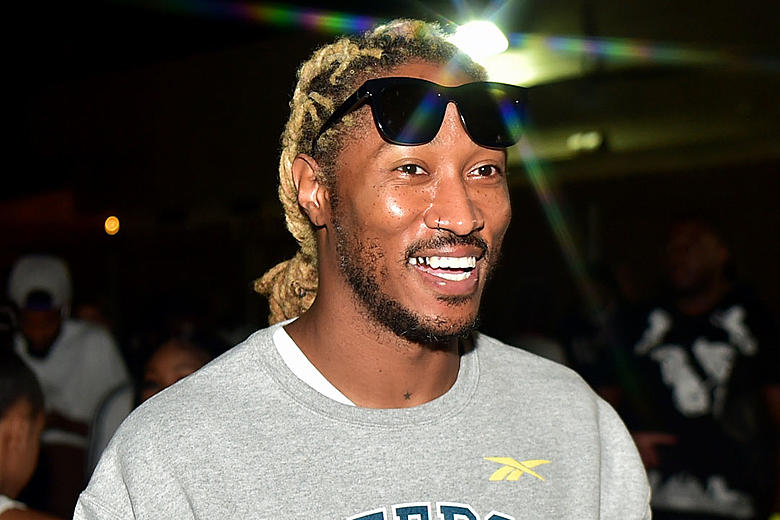
Future
Future
Future, born Nayvadius DeMun Wilburn on November 20, 1983, in Atlanta, Georgia, is one of the most influential figures in modern hip-hop and trap music. Known for his distinctive vocal style, heavy use of Auto-Tune, and emotionally charged delivery, Future has played a central role in shaping the sound and culture of contemporary rap since the early 2010s. His music often blends themes of success, pain, excess, isolation, relationships, and the psychological effects of fame, making him both a commercial powerhouse and a deeply polarizing artistic figure.
Future was raised in the Kirkwood neighborhood of Atlanta, a city widely regarded as the global capital of trap music. Growing up in a challenging environment, he was exposed early to street culture, which later influenced much of his lyrical content. He attended Columbia High School, where he reportedly earned the nickname “The Future,” a name that would later become his stage identity. His early life was shaped by instability and hardship, experiences that he frequently references in his music as formative to his emotional outlook and artistic expression.
Before becoming a solo superstar, Future was connected to the influential Atlanta collective The Dungeon Family, a musical group and creative hub that also helped launch the careers of acts like Outkast and Goodie Mob. A key early influence in his development was his cousin, Rico Wade, a producer within the Dungeon Family, who encouraged him to focus on songwriting and artistic development. During this period, Future began sharpening his skills as a rapper and songwriter, initially working behind the scenes rather than immediately stepping into the spotlight.
In the late 2000s, Future started gaining traction as a songwriter and featured artist. However, his breakthrough as a solo performer came in 2010 and 2011, when he released a series of mixtapes, including “1000,” “Dirty Sprite,” and “True Story.” The project “Dirty Sprite 2” would later become a defining aesthetic reference for his brand, symbolizing the mixture of street life and hedonistic excess that characterized his music. His early work caught the attention of major industry figures, leading to a record deal with Epic Records and a rapid rise in mainstream visibility.
Future’s debut studio album, “Pluto,” was released in 2012 and introduced him to a broader audience. The album included standout tracks such as “Turn On the Lights,” which became one of his earliest major hits and showcased his ability to blend melodic hooks with rap verses in a way that felt emotionally raw yet commercially appealing. The project established Future as more than just another Atlanta rapper; it positioned him as a new voice capable of bridging traditional rap with futuristic, experimental sounds.
In 2014, Future released his second album, “Honest,” which featured a more polished approach and collaborations with artists such as Kanye West and Drake. While the album received mixed critical reactions compared to his mixtape output, it reinforced his presence in mainstream hip-hop. That same year, however, marked a pivotal turning point in his career. After a brief publicized breakup with singer Ciara, Future entered a highly prolific creative phase, releasing multiple mixtapes in rapid succession. These projects, particularly “Monster,” “Beast Mode,” and “56 Nights,” are now widely considered some of his most influential work.
The emotional tone of these mixtapes was darker, more introspective, and heavily reliant on atmospheric production. This period helped solidify Future’s signature sound: moody trap beats layered with hypnotic Auto-Tuned vocals and lyrics that reflected emotional detachment, heartbreak, and substance use. His collaboration with producer Metro Boomin during this era was especially significant, as Metro’s minimalist, cinematic production style became the perfect backdrop for Future’s evolving aesthetic.
In 2015, Future released the mixtape “What a Time to Be Alive” in collaboration with Drake, one of the biggest artists in the world. The project debuted at number one on the Billboard 200 and became a cultural moment in hip-hop. It represented the fusion of two dominant rap styles: Drake’s introspective, melodic rap and Future’s darker, more chaotic energy. The success of the project elevated Future’s global profile and cemented his status as a top-tier mainstream artist.
The following years saw Future continuing his streak of successful releases. In 2015 alone, he released two studio albums, “DS2” and “What a Time to Be Alive” (collaborative), followed by “Evol” in 2016. “DS2” in particular is often regarded as one of his defining works, featuring hits like “Where Ya At” and “March Madness.” The album debuted at number one and showcased his ability to balance commercial appeal with his signature underground-influenced sound.
In 2017, Future released two more albums, “Future” and “HNDRXX,” both of which debuted at number one on the Billboard 200 chart in consecutive weeks. This achievement made him the first artist in Billboard history to debut two different albums at number one in back-to-back weeks. “HNDRXX” stood out for its more melodic and vulnerable tone, highlighting his versatility as an artist capable of both aggressive trap anthems and emotional ballads.
Future’s influence extends far beyond his own discography. He is widely credited with shaping the modern sound of trap music and influencing a generation of artists who adopted his melodic, Auto-Tuned style. His approach to songwriting, often blending vulnerability with bravado, has become a blueprint for many contemporary rappers and singers in hip-hop and R&B.
Beyond music, Future has also become a cultural icon associated with fashion, lifestyle branding, and luxury aesthetics. His public persona often reflects themes of excess, independence, and emotional detachment, which resonate strongly with younger audiences. Despite this, he has also faced criticism for lyrical content that some interpret as promoting substance abuse or emotional toxicity. Future himself has often addressed these interpretations indirectly through his music, framing his work as a reflection of lived experience rather than instruction.
In the 2020s, Future has remained highly relevant in the music industry. He has continued to release chart-topping projects and collaborate with major artists across genres. His joint projects, including collaborations with artists like Drake, Lil Uzi Vert, and others, demonstrate his continued ability to adapt and remain influential in a rapidly changing musical landscape. His album “I Never Liked You,” released in 2022, debuted at number one and featured hit singles that dominated streaming platforms, further reinforcing his staying power.
Future’s legacy is complex and multifaceted. He is not only a chart-topping artist but also a pioneer who helped redefine what modern rap music sounds like. His fusion of melody, trap production, and emotional ambiguity has influenced both mainstream pop and underground hip-hop. While his music often portrays themes of emotional distance and indulgence, it also reflects the realities of modern fame and the psychological toll of success.
As of today, Future stands as one of the most important figures in 21st-century hip-hop. His career demonstrates a rare combination of commercial success, cultural impact, and artistic innovation. Whether through his solo work or collaborations, he continues to shape the direction of global rap music, leaving a lasting imprint on both fans and fellow artists.
Recommended: Earn From Your Phone
- Easy Dollar Maker — earn in dollars uploading AI images and videos from your phone ($17). Check it out
- Video Editing Blueprint for Beginners — learn video editing and start creating content ($10). Check it out
- CapCut Pro (Lifetime Access) — the pro video editor for your TikToks and music videos ($3.40). Check it out
Disclosure: These are affiliate links. If you buy through them, I may earn a commission at no extra cost to you.