John Mayer
John Mayer
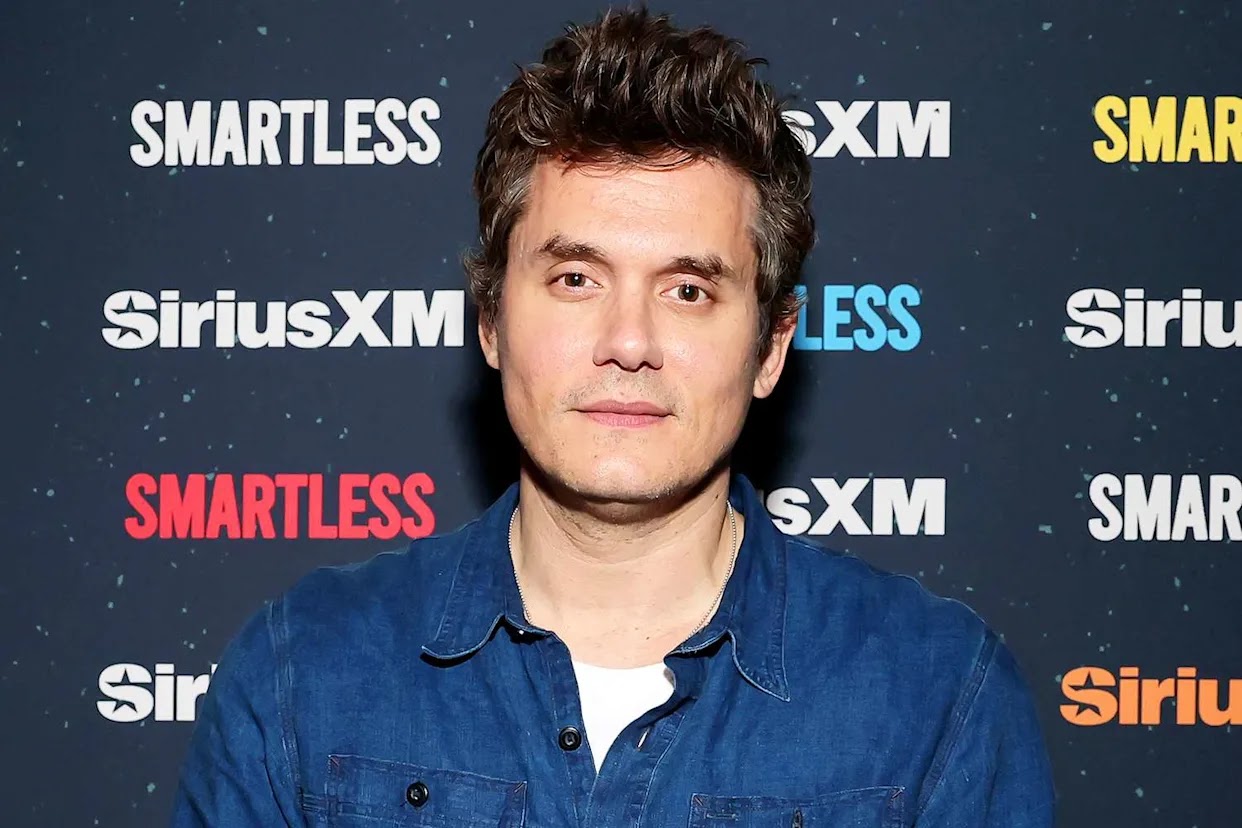
John Mayer is an American singer, songwriter, and guitarist widely recognized for his blend of pop, blues, rock, and soul music. Born on October 16, 1977, in Bridgeport, Connecticut, Mayer grew up in Fairfield, Connecticut, where he developed an early fascination with music and guitar playing. His career has evolved through several phases, starting from acoustic pop success in the early 2000s to a deeper blues-driven identity in later years. Over time, he has become known not only for commercial hits but also for his respected musicianship, guitar technique, and songwriting depth.
John Mayer’s interest in music began during his teenage years after he watched Michael J. Fox’s guitar performance in “Back to the Future.” That moment sparked a strong desire to learn the guitar. He began taking lessons and practicing extensively, quickly becoming absorbed in blues music. Influences such as Stevie Ray Vaughan, B.B. King, Eric Clapton, and Buddy Guy shaped his early playing style. As a teenager, Mayer struggled with social anxiety, which he has openly discussed in interviews. Music became both an escape and a form of expression that helped him navigate those challenges.
During his high school years at Fairfield Warde High School, Mayer’s passion for music intensified, and he briefly attended Berklee College of Music in Boston. However, he left after two semesters, feeling that the institution’s structured environment did not match his creative direction. Instead, he moved to Atlanta, Georgia, where he began performing in local clubs and coffeehouses. This period was crucial for his development as a live performer and songwriter. He built a grassroots following and independently released his EP “Inside Wants Out” in 1999, which helped him gain early recognition.
Mayer’s breakthrough came in 2001 with his debut studio album “Room for Squares.” The album featured hit singles such as “No Such Thing,” “Your Body Is a Wonderland,” and “Why Georgia.” These songs showcased his ability to combine catchy pop melodies with introspective lyrics. “Room for Squares” became a commercial success and earned him widespread attention, including a Grammy Award for Best Male Pop Vocal Performance for “Your Body Is a Wonderland.” The album positioned Mayer as a leading voice in the early 2000s singer-songwriter movement.
Following this success, Mayer released “Heavier Things” in 2003, which debuted at number one on the Billboard 200 chart. The album included the hit single “Daughters,” which won the Grammy Award for Song of the Year in 2005. While the song was praised for its emotional depth and message about relationships, it also sparked discussion about Mayer’s lyrical themes and public persona. During this period, he became a mainstream celebrity, frequently appearing in media and interviews, which sometimes overshadowed his musicianship.
A major turning point in Mayer’s career came with the release of “Continuum” in 2006. This album marked a shift from pop-focused songwriting to a more mature blend of blues, soul, and rock influences. Produced with Steve Jordan and featuring songs like “Gravity,” “Waiting on the World to Change,” and “Slow Dancing in a Burning Room,” the album is widely regarded as one of his most important artistic achievements. “Continuum” earned critical acclaim and solidified Mayer’s reputation as a serious guitarist and songwriter. It also won two Grammy Awards, including Best Pop Vocal Album and Best Male Pop Vocal Performance.
In addition to his solo work, Mayer formed the John Mayer Trio in 2005 with bassist Pino Palladino and drummer Steve Jordan. This project focused heavily on blues and live improvisation, showcasing Mayer’s guitar skills in a stripped-down format. Their live performances demonstrated a raw, energetic side of Mayer that contrasted with his polished studio recordings. The trio helped establish his credibility within the blues community, where he was sometimes initially met with skepticism due to his pop background.
Mayer’s 2009 album “Battle Studies” continued his exploration of relationships and emotional themes. While it produced hits like “Who Says” and “Half of My Heart,” it received mixed critical reviews compared to “Continuum.” Around this time, Mayer’s personal life became highly publicized, as his relationships with several celebrities drew media attention. His candid and sometimes controversial interviews contributed to a complex public image, leading him to take a step back from the spotlight in the early 2010s.
In 2012, Mayer released “Born and Raised,” an album influenced by folk, Americana, and classic rock. This project marked a significant stylistic departure, featuring more acoustic arrangements and reflective songwriting. However, its promotion was delayed due to Mayer undergoing surgery for a granuloma affecting his vocal cords. This health issue temporarily halted his ability to perform and forced him into vocal rest, a period that deeply impacted his artistic direction and personal outlook.
After recovering, Mayer returned with “Paradise Valley” in 2013, which continued the Americana and folk-inspired sound. The album featured collaborations with artists like Frank Ocean and Katy Perry, and it further showcased Mayer’s evolving approach to songwriting and production. Though not as commercially dominant as his earlier works, it reflected a more mature and introspective phase in his career.
A major resurgence in Mayer’s popularity came with his involvement in the band Dead & Company, formed in 2015 alongside former members of the Grateful Dead. This collaboration introduced him to a new audience and allowed him to explore improvisational jam-band music. His role as lead guitarist for the group demonstrated his versatility and deep appreciation for live performance. Mayer’s interpretations of Jerry Garcia’s guitar parts were widely praised and helped bridge generational gaps in rock music fandom.
In 2017, Mayer released “The Search for Everything,” a project released in phases before becoming a full album. It included songs like “Love on the Weekend” and “In the Blood,” reflecting themes of self-reflection and emotional growth. This album reinforced his reputation as a songwriter capable of balancing commercial appeal with personal storytelling.
Mayer’s guitar style is often regarded as one of his most significant contributions to modern music. He is known for his expressive phrasing, blues-based improvisation, and ability to blend technical skill with emotional tone. His use of dynamics, tone control, and melodic structure has influenced a generation of guitarists. He is also known for his collection of vintage guitars and his detailed knowledge of gear, amplifiers, and tone shaping.
Beyond music, Mayer has been involved in philanthropy and advocacy work. He has supported various charitable causes, including education, environmental efforts, and disaster relief. He has also been active in online media, particularly through Instagram, where he engages with fans and shares insights into music and daily life.
Despite his success, Mayer’s career has not been without controversy. In the late 2000s, he faced criticism for comments made in interviews regarding race and relationships, which he later apologized for publicly. These incidents led to a period of media backlash and personal reflection. Mayer has since spoken about growth, accountability, and the importance of learning from mistakes.
Today, John Mayer is considered one of the most influential singer-songwriters and guitarists of his generation. His ability to evolve across genres, from pop and rock to blues and Americana, demonstrates both artistic flexibility and longevity. Whether performing solo, with a band, or in collaborative projects, he continues to shape contemporary music with a balance of technical mastery and emotional storytelling.
Recommended: Earn From Your Phone
- Easy Dollar Maker — earn in dollars uploading AI images and videos from your phone ($17). Check it out
- Video Editing Blueprint for Beginners — learn video editing and start creating content ($10). Check it out
- CapCut Pro (Lifetime Access) — the pro video editor for your TikToks and music videos ($3.40). Check it out
Disclosure: These are affiliate links. If you buy through them, I may earn a commission at no extra cost to you.