
Mac Miller
Biography of Mac Miller
Mac Miller was one of the most gifted and emotionally transparent artists of his generation, a musician whose life and career reflected both the beauty and burden of fame, creativity, and personal struggle. Born Malcolm James McCormick on January 19, 1992, in Pittsburgh, Pennsylvania, Mac Miller grew from a teenage underground rapper into a globally respected artist whose music blended hip hop, jazz, soul, funk, and introspective storytelling. Though his life was tragically cut short at the age of 26, his influence continues to resonate deeply with millions of fans around the world.
Mac Miller was raised in the Point Breeze neighborhood of Pittsburgh in a supportive middle class family. His father, Mark McCormick, worked as an architect, while his mother, Karen Meyers, was a photographer. He was born into a culturally diverse household, with his father being Christian and his mother Jewish. Even though he attended a Catholic school called Winchester Thurston School, Mac considered himself spiritually curious rather than strictly religious.
From a very young age, Mac showed an unusual fascination with music. He taught himself how to play several instruments including piano, drums, bass guitar, and guitar. Before becoming known as a rapper, he actually wanted to become a singer and musician in a band. His early musical influences ranged from classic hip hop legends to jazz musicians and alternative rock artists. This broad musical taste later became one of the defining features of his sound.
As a teenager, Mac began seriously pursuing rap. By the age of 14, he was already recording music and building connections within Pittsburgh’s local underground hip hop scene. Initially, he used the stage name “Easy Mac” and released mixtapes that quickly gained attention online. Unlike many young rappers at the time who focused heavily on street themes, Mac’s music reflected youthful freedom, partying, ambition, and relatable teenage experiences. His charismatic personality and effortless flow made him appealing to younger audiences.
His breakthrough came in 2010 with the release of the mixtape K.I.D.S., inspired by the 1995 film Kids. The project became extremely popular on internet blogs and social media platforms. Songs from the mixtape showcased Mac’s playful energy and carefree personality. Tracks such as “Nikes On My Feet” and “Kool Aid & Frozen Pizza” helped him build a loyal fanbase. His rise was particularly impressive because he achieved success independently without the backing of a major record label.
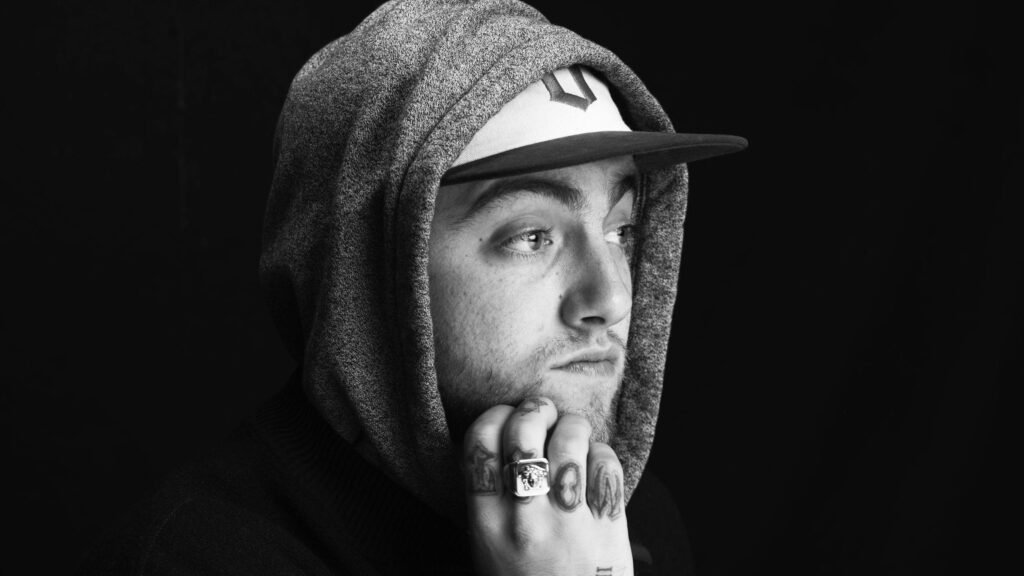

In 2011, Mac released another successful mixtape titled Best Day Ever, which included the hit song “Donald Trump.” The track became one of his earliest mainstream successes and significantly boosted his national profile. Around this period, Mac signed with the independent label Rostrum Records, which also helped launch the career of fellow Pittsburgh artist Wiz Khalifa.
Later that same year, Mac Miller released his debut studio album, Blue Slide Park. Named after a playground in Pittsburgh, the album debuted at number one on the Billboard 200 chart. This achievement was historic because it marked the first independently distributed debut album to top the Billboard charts since 1995. Critics initially gave the album mixed reviews, with some dismissing Mac as merely a “frat rapper.” However, fans strongly connected with his authenticity, humor, and relatable storytelling.
Despite his commercial success, Mac was determined to evolve artistically. Rather than staying confined to party rap, he began exploring deeper emotional and experimental themes. His 2012 mixtape Macadelic represented a turning point in his career. Influenced by psychedelic sounds and introspection, the project explored anxiety, drug use, fame, and emotional confusion. Collaborations with artists like Kendrick Lamar and Lil Wayne demonstrated the increasing respect he was earning within the hip hop industry.
Around this time, Mac also became open about his struggles with substance abuse. Fame had arrived quickly, and the pressure of constant touring, criticism, and public attention began affecting his mental health. Instead of hiding these experiences, he used music as an outlet to express vulnerability. This honesty became one of the strongest reasons fans connected deeply with him.
In 2013, Mac released Watching Movies with the Sound Off, an album many critics considered a major artistic breakthrough. The project featured darker production, abstract lyricism, and emotional depth. Songs explored loneliness, existential thoughts, self-doubt, and personal growth. Collaborators included Tyler, The Creator, Earl Sweatshirt, and Ab-Soul. Over time, the album gained recognition as one of the most important alternative hip hop projects of its era.
Mac Miller was not only a rapper but also a talented producer. Under the alias “Larry Fisherman,” he produced music for himself and other artists. His production style reflected his love for jazz, neo soul, and experimental sounds. He often spent countless hours creating music in his home studio, where many artists gathered to collaborate and experiment creatively.
In 2014, Mac launched his own record label called REMember Music, named in honor of his close friend Reuben Mitrani, who had passed away. The label reflected Mac’s desire to support creativity and independent artistry. That same year, he released the mixtape Faces, widely regarded as one of the greatest mixtapes in modern hip hop history. The project was deeply personal and often disturbing, revealing the depths of his addiction and psychological struggles. Filled with jazz influenced production and complex lyricism, Faces demonstrated Mac’s evolution into a fearless and highly introspective artist.
As his music matured, so did public perception of him. Critics who once underestimated him began praising his artistic growth and emotional honesty. Mac gradually transformed from a youthful internet sensation into a respected musician admired for his versatility and authenticity.
In 2016, Mac released The Divine Feminine, a soulful and romantic album heavily inspired by love, vulnerability, and live instrumentation. The album featured collaborations with artists such as Ariana Grande, with whom Mac was romantically involved at the time. Their relationship attracted significant public attention, and fans admired their chemistry both personally and musically. Songs like “Dang!” and “Cinderella” highlighted Mac’s softer and more melodic side.
Although his relationship with Ariana Grande eventually ended, Mac remained respectful toward her publicly. However, after their breakup, public scrutiny around his personal life intensified. Mac struggled privately with emotional pain and substance dependency while continuing to work obsessively on music.
In 2018, Mac released what would become the final album released during his lifetime, Swimming. The project was widely acclaimed and showcased remarkable emotional maturity. Rather than focusing solely on darkness, the album reflected healing, self-awareness, and personal reflection. Songs like “Self Care,” “2009,” and “Come Back to Earth” captured Mac’s inner battle between hope and pain. The album received a Grammy nomination for Best Rap Album and is now considered one of his greatest works.
Tragically, on September 7, 2018, Mac Miller was found dead in his Los Angeles home from an accidental drug overdose involving fentanyl, cocaine, and alcohol. His death shocked the music world and devastated fans globally. Artists from every genre paid tribute to him, emphasizing not only his musical talent but also his kindness, generosity, and supportive spirit. Many described him as one of the most genuine people in the industry.
Following his death, conversations around addiction, mental health, and the pressures of fame intensified. Fans revisited his music and realized how openly he had expressed his struggles through his lyrics for years. Mac’s work became even more meaningful because it revealed the complexity of someone trying to heal while battling inner demons.
In 2020, his family released the posthumous album Circles, which Mac had been working on before his death. Produced with the help of Jon Brion, the album served as a companion piece to Swimming. Unlike his earlier rap-heavy projects, Circles leaned heavily into soft rock, soul, and singer-songwriter influences. The album received widespread critical acclaim and was praised for its warmth, honesty, and emotional beauty.
Mac Miller’s legacy remains incredibly powerful. He is remembered not just as a rapper, but as a complete artist who constantly reinvented himself creatively. His willingness to discuss pain, confusion, addiction, love, and growth helped countless listeners feel understood during difficult moments in their own lives. Younger artists continue to cite him as an inspiration because of his fearlessness in blending genres and expressing emotional vulnerability.
Beyond music, Mac was known for his humor, humility, and compassion. Friends and collaborators consistently described him as someone who genuinely loved people and cared deeply about creativity. Even years after his passing, his fanbase continues to grow as new listeners discover the emotional depth and musical brilliance of his catalog.
Today, Mac Miller stands as one of the defining voices of his generation. His journey from a teenage rapper in Pittsburgh to a globally respected artist is both inspiring and heartbreaking. Though his life ended far too soon, the honesty and humanity in his music ensure that his voice will continue to live on for generations to come.
Recommended: Earn From Your Phone
- Easy Dollar Maker — earn in dollars uploading AI images and videos from your phone ($17). Check it out
- Video Editing Blueprint for Beginners — learn video editing and start creating content ($10). Check it out
- CapCut Pro (Lifetime Access) — the pro video editor for your TikToks and music videos ($3.40). Check it out
Disclosure: These are affiliate links. If you buy through them, I may earn a commission at no extra cost to you.