Meek Mill
Meek Mill


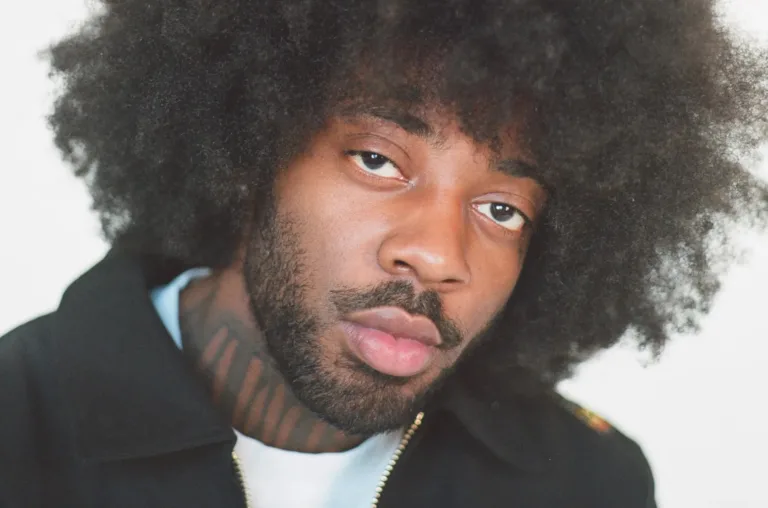
Meek Mill, born Robert Rihmeek Williams on May 6, 1987, in Philadelphia, Pennsylvania, is one of the most influential hip hop artists of his generation. Known for his raw storytelling, energetic delivery, motivational lyrics, and deep connection to street culture, Meek Mill has built a career that reflects both the struggles and triumphs of urban America. His rise from the harsh neighborhoods of Philadelphia to becoming a globally recognized rapper, entrepreneur, activist, and cultural figure is a story of resilience, determination, and transformation.
Meek Mill grew up in South Philadelphia under difficult conditions. His childhood was marked by hardship and instability after the tragic death of his father when Meek was still very young. His father was reportedly killed during an attempted robbery, leaving Meek’s mother, Kathy Williams, to raise him and his sister alone. The family struggled financially, and life in Philadelphia exposed Meek to violence, crime, and poverty from an early age. Despite the challenges surrounding him, Meek developed a strong passion for music and performance while growing up.
As a teenager, Meek Mill became heavily influenced by rap culture. He admired legendary artists such as Jay-Z, Nas, and DMX, artists known for blending street experiences with lyrical skill and emotional intensity. Inspired by these icons, Meek started participating in rap battles and formed a local rap group called The Bloodhoundz. The group gained popularity within Philadelphia’s underground hip hop scene through street DVDs, mixtapes, and local performances. Meek’s aggressive freestyle style and hunger quickly made him stand out.
His early mixtapes attracted significant attention, especially “Flamers,” a series that became highly respected in Philadelphia’s rap community. The Flamers mixtapes showcased Meek’s rapid-fire flow, energetic confidence, and ability to paint vivid pictures of life in the streets. These projects established him as one of the most promising young rappers in the city. During this period, Meek faced several legal troubles and personal setbacks that threatened to derail his career. However, his commitment to music remained strong.
One of the major turning points in Meek Mill’s career came when Atlanta rapper T.I. noticed his talent and briefly signed him to his label. Although circumstances prevented that partnership from fully developing, the exposure opened more doors for Meek. Soon afterward, he caught the attention of Rick Ross, founder of Maybach Music Group. In 2011, Meek Mill officially signed with the label, joining a roster that included artists such as Wale and French Montana.
The signing to Maybach Music Group dramatically elevated Meek Mill’s profile. He appeared on several collaborative projects and quickly became one of the standout artists on the label. Songs like “Tupac Back” and “Ima Boss” became massive street anthems and introduced Meek to a broader audience. His intense delivery, motivational themes, and authentic storytelling resonated strongly with fans across the United States and beyond.
In 2012, Meek Mill released his debut studio album, “Dreams and Nightmares,” which would become one of the defining albums of his career. The album featured hit songs such as “Amen,” “Burn,” and the now-iconic title track “Dreams and Nightmares.” The opening track, especially its explosive second half, became legendary in hip hop culture and is still widely played at sporting events, concerts, and celebrations. The album successfully blended Meek’s street narratives with mainstream appeal, helping him earn commercial success while maintaining credibility in the rap community.
As his fame grew, Meek Mill continued releasing successful projects including “Dreamchasers,” “Wins & Losses,” “Championships,” and “Expensive Pain.” The Dreamchasers mixtape series became particularly important to his brand, representing ambition, perseverance, and determination. The phrase “Dream Chasers” eventually evolved into a movement and business empire connected to Meek’s personal philosophy of overcoming adversity.
Beyond music, Meek Mill became widely recognized for his highly publicized legal battles and criminal justice reform activism. For years, he remained trapped in a controversial probation system stemming from a 2008 gun and drug conviction. Many activists, lawyers, celebrities, and supporters argued that the treatment Meek received from the justice system reflected broader problems within America’s probation and parole systems. His repeated arrests and legal restrictions sparked national debate about fairness, racial inequality, and judicial reform.
In 2017, Meek Mill was sentenced to prison for violating probation, a decision that generated enormous public backlash. High-profile figures including JAY-Z, LeBron James, and numerous activists publicly supported him. The hashtag #FreeMeek became a major movement across social media and the entertainment industry. His incarceration drew attention from politicians, sports organizations, and civil rights groups, eventually helping to shine a spotlight on systemic issues within the American criminal justice system.
After several months in prison, Meek Mill was released in 2018 to widespread celebration. His release marked not only a personal victory but also a significant moment in conversations surrounding criminal justice reform. Following his release, Meek became even more vocal about activism and advocacy. He co-founded the REFORM Alliance alongside figures such as JAY-Z, businessman Michael Rubin, and other influential leaders. The organization focuses on reforming probation and parole laws in the United States and helping reduce unjust incarceration practices.
Musically, Meek Mill used his experiences to create more mature and reflective content. His 2018 album “Championships” was praised for its emotional depth, lyrical honesty, and social commentary. Songs on the album explored themes such as survival, trauma, loyalty, fame, betrayal, and redemption. Critics and fans alike viewed the project as one of his strongest artistic statements. Meek demonstrated growth not only as a rapper but also as a thinker and cultural voice.
Meek Mill’s influence extends beyond rap music into fashion, business, sports culture, and philanthropy. He has collaborated with major brands and built strong relationships with athletes, entrepreneurs, and entertainment executives. His close friendship with billionaire entrepreneur Michael Rubin helped expand his influence into business and social reform circles. Meek also became associated with sports culture due to his motivational music and connections with athletes from the NBA and NFL.
In terms of musical style, Meek Mill is known for his passionate intensity, energetic flows, and emotionally charged delivery. His music often focuses on ambition, survival, street loyalty, pain, success, and perseverance. Unlike many artists who rely heavily on melody, Meek built his reputation through powerful rapping ability, authenticity, and emotional conviction. His voice and cadence are instantly recognizable within modern hip hop.
Meek has also experienced various controversies throughout his career, including rap feuds and public disagreements with other artists. One of the most famous conflicts involved Drake in 2015. The feud generated massive attention within the hip hop world and became one of the most talked-about rap rivalries of the decade. Although the conflict initially damaged Meek’s public image, the two artists eventually reconciled years later and moved forward positively.
Despite facing criticism, setbacks, legal challenges, and industry pressure, Meek Mill has consistently demonstrated resilience. His story resonates deeply with millions of fans who see him as a symbol of survival and determination. He transformed personal pain and adversity into motivation, building a career that extends far beyond music alone.
Today, Meek Mill remains an important figure in global hip hop culture. His journey from Philadelphia’s streets to international fame continues to inspire young people worldwide. He represents the idea that talent, persistence, and belief can overcome even the harshest circumstances. Whether through music, activism, business ventures, or public advocacy, Meek Mill continues to leave a lasting impact on modern culture.
His legacy is still being written, but his influence on hip hop and social justice conversations is already undeniable. From the explosive energy of “Dreams and Nightmares” to his fight for criminal justice reform, Meek Mill has evolved into much more than a rapper. He has become a voice for resilience, ambition, and change, earning his place among the most respected and influential artists of his era.
Recommended: Earn From Your Phone
- Easy Dollar Maker — earn in dollars uploading AI images and videos from your phone ($17). Check it out
- Video Editing Blueprint for Beginners — learn video editing and start creating content ($10). Check it out
- CapCut Pro (Lifetime Access) — the pro video editor for your TikToks and music videos ($3.40). Check it out
Disclosure: These are affiliate links. If you buy through them, I may earn a commission at no extra cost to you.