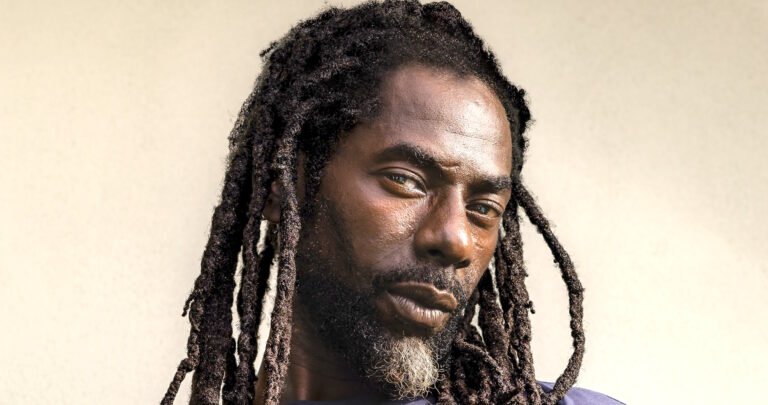
Naira Marley
Naira Marley
Naira Marley is one of the most controversial and influential figures in contemporary Nigerian music, particularly within the Afrobeats and street-pop subculture. Known for his unapologetic style, raw lyrical delivery, and strong digital influence, he has built a career that blends music, internet virality, youth culture, and controversy into a single brand identity. His rise reflects both the opportunities and tensions within Nigeria’s modern entertainment industry, where social media, street credibility, and streaming platforms now play as much of a role as traditional record label backing.
Early Life and Background
Naira Marley was born as Azeez Adeshina Fashola in Agege, Lagos State, Nigeria. However, he spent a significant part of his early life in the United Kingdom after relocating at a young age. Growing up in Peckham, South London, exposed him to a very different cultural environment compared to Lagos, blending Western urban culture with his Nigerian roots. This dual exposure would later shape his musical identity, allowing him to move fluidly between Afrobeat rhythms and UK grime/drill-influenced sounds.
During his formative years, he attended local schools in the UK and developed an early interest in music and performance. While he did not initially set out as a mainstream musician, he was influenced by the hip-hop and grime scenes in London, where artists often used music as a tool for expressing street realities, identity struggles, and ambition. These themes later became central to his own artistic expression.
Entry into Music
Naira Marley’s official entry into music began in the mid-2010s. Initially, he explored different styles and experimented with sounds that merged Afrobeat melodies with UK street rap. His early releases did not immediately gain mainstream traction, but they helped him build an underground following.
His breakthrough came with the viral success of “Issa Goal,” a street anthem that quickly became associated with Nigeria’s national football team during the 2018 FIFA World Cup. The remix version featuring major Nigerian artists significantly boosted his visibility. The song’s catchy hook and motivational tone resonated with young audiences, and it positioned him as a rising voice in the street-pop movement.
Rise to Fame and Marlian Movement
Following the success of “Issa Goal,” Naira Marley rapidly expanded his influence with a series of hit singles, most notably “Am I A Yahoo Boy” and “Soapy.” These songs sparked widespread debate due to their controversial themes, particularly around internet fraud culture and explicit social commentary. While critics accused him of promoting negative behavior, his supporters argued that he was simply reflecting realities within parts of Nigerian youth culture.
Around this period, he officially founded Marlian Records, a record label and movement that became central to his brand identity. The Marlian movement was not just a music label but also a cultural ideology, representing rebellion, freedom of expression, and street authenticity. Artists signed under his label, such as Zinoleesky, Mohbad (late), and others, benefited from his platform and contributed to the label’s rapid growth.
Musical Style and Influence
Naira Marley’s musical style is often categorized under Afrobeats, street-pop, and Afro-fusion, but it carries distinct characteristics that set him apart. His sound is heavily rhythmic, often minimalistic in production, and designed for dance and viral engagement. His lyrics frequently include slang, street language, and social commentary, making them highly relatable to a younger demographic.
He is also known for his ability to create “viral moments.” Many of his songs become social media trends, especially on platforms like TikTok and Instagram, where dance challenges and memes amplify his reach. This digital-first approach has made him one of the most internet-driven artists in Nigeria’s music industry.
Beyond entertainment, his music often reflects themes such as hustle culture, youth frustration, street survival, and distrust of authority. These themes resonate strongly with audiences in urban Nigeria and parts of the diaspora.
Controversies and Legal Issues
A significant part of Naira Marley’s public identity is his history of controversies. In 2019, he was arrested by the Economic and Financial Crimes Commission (EFCC) in Nigeria on allegations related to cyber fraud and credit card-related offenses. The arrest occurred shortly after the release of “Am I A Yahoo Boy,” intensifying public debate about his influence on youth behavior.
Although he was eventually released on bail, the incident cemented his reputation as a polarizing figure. Some saw him as a scapegoat for broader societal issues, while others believed his music contributed to normalizing illegal activities.
Another major controversy involved his public statements and lyrics, which critics often described as provocative or morally questionable. However, his supporters consistently argue that he uses satire and street storytelling rather than literal endorsement of negative behavior.
Impact on Nigerian Youth Culture
Despite controversies, Naira Marley’s influence on Nigerian youth culture is undeniable. He helped popularize a new wave of street-centric Afrobeats that prioritizes slang, digital engagement, and raw storytelling. The “Marlians,” as his fanbase is called, became a cultural identity of its own, characterized by boldness, independence, and nonconformity.
His concerts and events often attract large, energetic crowds, and his presence on social media ensures continuous engagement with fans. He has also played a role in reshaping how Nigerian artists use social platforms to build direct relationships with audiences.
Marlian Records and Artist Development
As a label executive, Naira Marley expanded Marlian Records into a platform for emerging talents. The label has been instrumental in launching and promoting artists such as Zinoleesky, whose melodic street-pop style gained significant commercial success. The late Mohbad was also one of the label’s most promising acts, contributing to its reputation and popularity.
However, the label has also faced internal controversies, particularly surrounding artist management and disputes. These issues have sparked broader discussions about artist welfare and contract transparency in the Nigerian music industry.
Legacy and Industry Position
Naira Marley occupies a unique position in the Nigerian entertainment landscape. He is neither a traditional pop superstar nor a purely underground artist. Instead, he represents a hybrid identity shaped by digital culture, street influence, and controversy-driven publicity.
His legacy is still evolving, but several key contributions are already clear: he helped amplify street-pop as a mainstream genre, demonstrated the power of viral marketing in Afrobeats, and built a brand that merges music with cultural identity.
While opinions about him remain divided, his impact on modern Nigerian music is significant. Whether viewed as a cultural disruptor or a controversial figure, his influence on youth expression, digital music trends, and street-pop evolution cannot be ignored.
Conclusion
Naira Marley remains one of the most talked-about figures in African music. His journey from Lagos to London and back into global attention through viral music reflects the changing nature of fame in the internet era. By blending controversy, creativity, and cultural resonance, he has carved out a space that continues to shape conversations in Nigerian music and beyond.
Recommended: Earn From Your Phone
- Easy Dollar Maker — earn in dollars uploading AI images and videos from your phone ($17). Check it out
- Video Editing Blueprint for Beginners — learn video editing and start creating content ($10). Check it out
- CapCut Pro (Lifetime Access) — the pro video editor for your TikToks and music videos ($3.40). Check it out
Disclosure: These are affiliate links. If you buy through them, I may earn a commission at no extra cost to you.