Phil Collins
Phil Collins
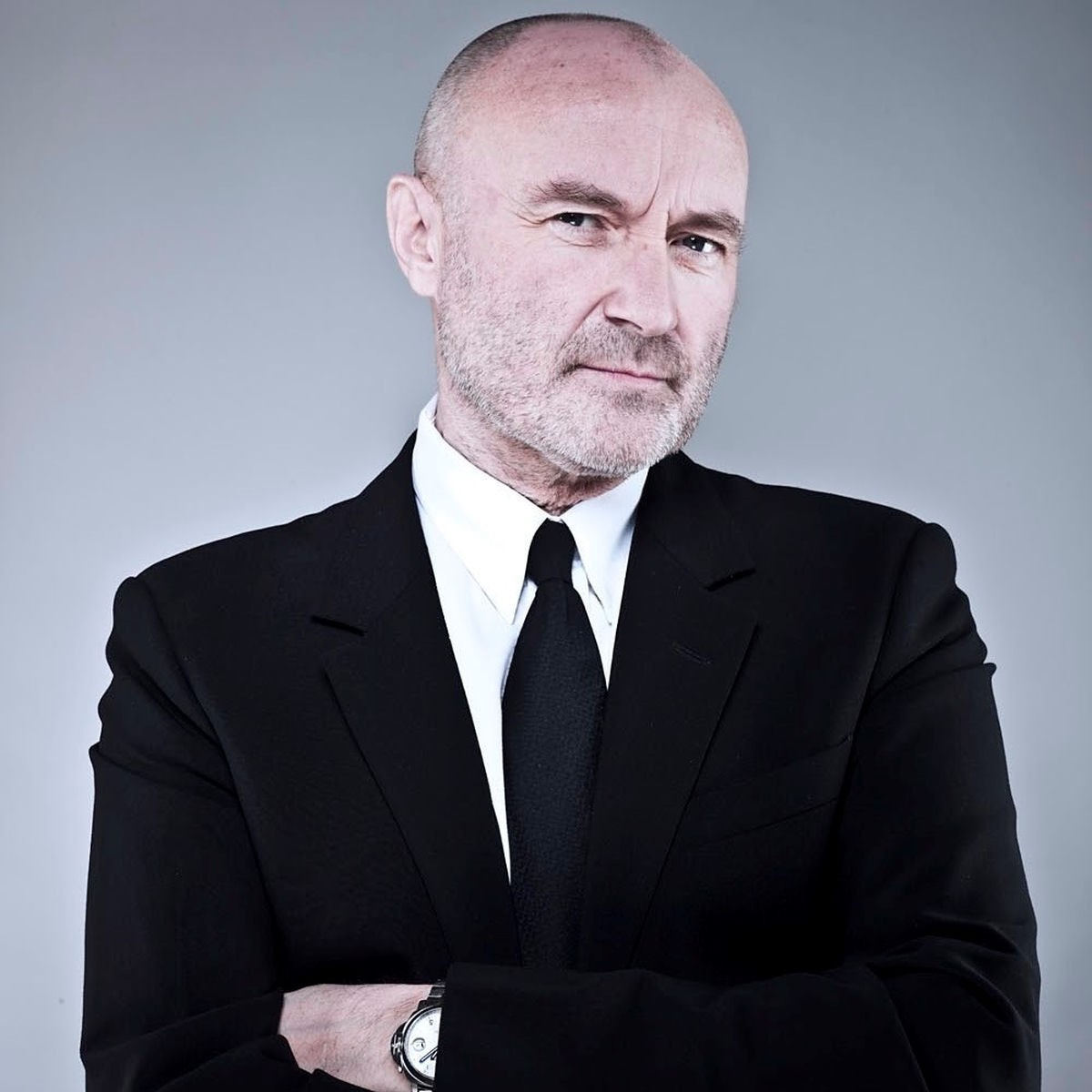
Phil Collins is one of the most influential figures in modern popular music, known for his rare ability to succeed both as a world-class drummer and as a globally dominant solo singer-songwriter. His career spans more than five decades, during which he shaped the sound of progressive rock, defined 1980s pop, and contributed significantly to film music and live performance culture.
Phil Collins was born on January 30, 1951, in Chiswick, West London, England. From an early age, he showed an unusual inclination toward rhythm and performance. His mother, a theatrical agent, played a role in exposing him to the entertainment industry, while his father worked as an insurance agent. Unlike many musicians who first pick up melody instruments, Collins was drawn early to percussion. He received his first drum kit as a child and quickly developed a disciplined practice routine that would later become central to his professional identity. As a teenager, he attended the Barbara Speake Stage School, where he also developed acting skills that would briefly take him into film work before music fully took over his life.
In the mid-1960s, Collins began performing in various amateur bands, gradually building a reputation in London’s growing music scene. His big break came in 1970 when he joined the progressive rock band Genesis as their drummer. At that time, Genesis was fronted by Peter Gabriel and was known for complex, theatrical compositions that defined the progressive rock movement. Collins’ arrival added precision, energy, and adaptability to the group’s rhythm section. While he was initially hired strictly as a drummer, his musical instincts and backing vocals soon made him an essential part of the band’s sound.
Genesis went through a major transformation in 1975 when Peter Gabriel left the group. After a long search for a new frontman, Collins eventually took over lead vocal duties himself. This transition marked a turning point not only for the band but also for Collins’ career. Under his leadership, Genesis shifted from long-form progressive rock compositions toward a more accessible pop-rock sound. This change initially divided fans but ultimately brought the band far greater commercial success. Albums like “A Trick of the Tail,” “Wind & Wuthering,” and later “Invisible Touch” showcased Collins’ growing confidence as a singer and songwriter.
By the early 1980s, Collins had begun to explore solo projects, partly inspired by personal life changes, including the breakdown of his first marriage. His debut solo album, “Face Value” (1981), became a landmark release. It featured the iconic track “In the Air Tonight,” a song driven by atmospheric production and a now-legendary drum break that became one of the most recognizable moments in pop music history. The album’s emotional tone, heavily influenced by heartbreak and introspection, resonated widely with audiences and established Collins as a major solo artist.
His follow-up album, “Hello, I Must Be Going!” (1982), reinforced his solo success, featuring hits like “You Can’t Hurry Love,” a cover of the Supremes classic. Collins’ ability to reinterpret older soul and Motown songs while maintaining his distinctive style helped him appeal to a broad audience across generations. During this period, he also continued working with Genesis, balancing both careers with remarkable productivity.
The mid to late 1980s marked the peak of Collins’ global fame. Albums such as “No Jacket Required” (1985) propelled him into superstardom. The record produced multiple hit singles, including “Sussudio,” “One More Night,” and “Take Me Home.” “No Jacket Required” won Grammy Awards and became one of the defining albums of the decade. His sound during this era blended pop, rock, soul, and emerging electronic production techniques, making him one of the most radio-friendly artists of his time.
Collins also became known for his involvement in major cultural and charitable events. He famously performed at Live Aid in 1985, where he played both in London and Philadelphia on the same day, traveling via Concorde between performances. This symbolic moment cemented his status as a global entertainer capable of bridging continents through music.
In addition to his work in music, Collins also contributed significantly to film soundtracks. His song “Against All Odds (Take a Look at Me Now)” was written for the 1984 film of the same name and became one of his most enduring ballads. He later composed music for Disney’s “Tarzan” (1999), contributing songs like “You’ll Be in My Heart,” which won an Academy Award for Best Original Song and further demonstrated his versatility as a composer.
Throughout the 1990s, Collins continued releasing successful albums, including “…But Seriously” (1989), which contained the socially conscious hit “Another Day in Paradise,” addressing homelessness. The song became one of his most commercially successful singles and showed a more reflective side of his songwriting. However, by the mid-1990s, musical trends were changing, and Collins began to face mixed critical reception even as his commercial success remained strong.
Genesis reunited for several tours and projects during this period, maintaining their global fan base. However, Collins also began to experience personal and health challenges. His demanding performance schedule, combined with years of drumming and touring, contributed to hearing issues and nerve damage that would later significantly affect his ability to perform.
In the 2000s, Collins reduced his touring schedule and gradually stepped back from constant public performance. He released the album “Testify” (2002), which received moderate reception compared to his earlier work. In 2010, he officially announced his retirement from music to focus on his family and health. However, he later clarified that retirement was not permanent and that he remained open to music in different forms.
Collins underwent serious health struggles, including issues affecting his spine and mobility, which required surgeries and rehabilitation. These conditions eventually made it difficult for him to play drums in the traditional sense, a deeply emotional loss for an artist whose identity was closely tied to percussion. Despite this, he remained active in various capacities, including supervising reissues and participating in Genesis reunion activities.
In 2021, Genesis embarked on their “The Last Domino?” tour, with Collins performing as a singer rather than a drummer, while his son Nic Collins took over drumming duties. This symbolic passing of the torch highlighted both the continuity of musical legacy within his family and the physical limitations he had come to face.
Beyond his professional life, Collins’ personal life has been widely covered in the media. He has been married multiple times and has several children, including actress Lily Collins, who has built her own successful career in Hollywood. Despite public attention on his relationships, Collins has often emphasized the importance of family and personal grounding amid fame.
Phil Collins’ legacy is complex and far-reaching. He is one of the few artists to achieve massive success both as a member of a band and as a solo performer. His drumming style influenced generations of musicians, particularly his use of gated reverb, a production technique that became synonymous with 1980s pop and rock sound. His voice, often described as emotionally direct and unmistakable, helped define an era of mainstream music that blended emotional storytelling with polished production.
Critics and fans alike continue to reassess his contribution to music history. While his popularity sometimes led to oversaturation on radio in the late 1980s and early 1990s, his body of work has endured, with many of his songs experiencing renewed appreciation in later decades. Today, Phil Collins remains a defining figure in modern music history, representing both the heights of commercial pop success and the emotional depth that can exist within mainstream songwriting.
Recommended: Earn From Your Phone
- Easy Dollar Maker — earn in dollars uploading AI images and videos from your phone ($17). Check it out
- Video Editing Blueprint for Beginners — learn video editing and start creating content ($10). Check it out
- CapCut Pro (Lifetime Access) — the pro video editor for your TikToks and music videos ($3.40). Check it out
Disclosure: These are affiliate links. If you buy through them, I may earn a commission at no extra cost to you.