Playboi Carti
Playboi Carti


Playboi Carti, born Jordan Terrell Carter on September 13, 1996, in Atlanta, Georgia, is one of the most influential and unconventional figures in modern hip hop. Known for his mysterious personality, rebellious fashion sense, experimental sound, and energetic performances, Carti has built a cult-like fanbase that stretches far beyond rap music. Over the years, he transformed from an underground internet sensation into a global superstar whose impact on youth culture, fashion, and modern trap music continues to shape the sound of a new generation.
Growing up in Atlanta, a city long recognized as one of hip hop’s most important cultural capitals, Carti was exposed to music and street culture from an early age. Before fully embracing music, he initially had ambitions tied to basketball, but his passion for creativity and self-expression eventually pulled him toward rap and fashion. During his teenage years, he attended North Springs Charter High School in Sandy Springs, Georgia. Even while in school, Carti showed signs of rebellion and individuality, often skipping classes to work on music or spend time pursuing fashion interests. His early fascination with style later became one of the defining aspects of his public image.
Carti’s musical journey began under the name Sir Cartier, a stage name he used during his early SoundCloud days. He released tracks online that slowly gained traction in underground rap communities. Inspired by artists such as Gucci Mane, Lil Wayne, Kanye West, and ASAP Rocky, Carti began developing a sound that mixed hypnotic production with minimalist lyrics and infectious ad-libs. His breakthrough started when he connected with members of the underground collective Awful Records, especially Father, who helped expose him to a wider audience.
Eventually, Carti dropped the Sir Cartier name and reintroduced himself as Playboi Carti, a new identity that aligned more closely with the carefree, rebellious image he wanted to portray. Around this time, he relocated to New York City and became associated with the ASAP Mob collective, particularly with ASAP Rocky. Rocky became both a mentor and collaborator, helping Carti gain access to larger audiences and influential creative spaces. This relationship significantly elevated Carti’s visibility in both music and fashion circles.
Playboi Carti’s rise accelerated through the internet, especially on SoundCloud, where tracks like “Broke Boi” and “Fetti” became underground anthems. Unlike many rappers focused on lyrical complexity, Carti leaned heavily into vibes, rhythm, repetition, and atmosphere. His delivery emphasized emotion and energy more than storytelling. This unconventional approach initially divided listeners, but it eventually became one of his greatest strengths. Young fans connected deeply with the raw emotion and hypnotic quality of his music.
In 2017, Carti released his self-titled mixtape Playboi Carti, which marked his official mainstream breakthrough. The project featured hit songs like “Magnolia” and “wokeuplikethis*,” both of which exploded in popularity. “Magnolia,” produced by Pierre Bourne, became especially iconic due to its catchy production, memorable lyrics, and viral internet presence. The song dominated clubs, social media platforms, and streaming services, cementing Carti as one of the hottest young artists in hip hop.
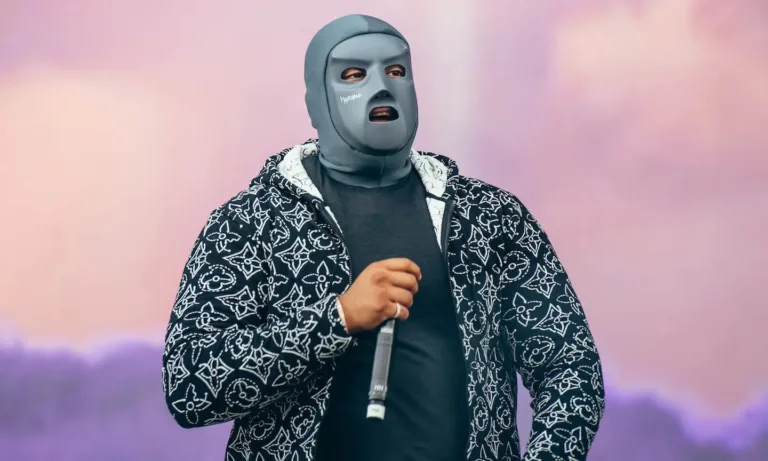
The success of the mixtape showcased Carti’s ability to create music that felt both futuristic and addictive. His sound emphasized flow and mood over traditional rap structures, influencing countless emerging artists who adopted similar styles. During this period, Carti also became known for his energetic live performances. His concerts often resembled punk rock shows more than conventional rap events, with fans moshing, screaming lyrics, and creating chaotic atmospheres that matched Carti’s rebellious image.
In 2018, Carti released his debut studio album Die Lit. The album received critical acclaim and further expanded his influence in hip hop culture. Featuring collaborations with artists like Travis Scott, Nicki Minaj, and Lil Uzi Vert, the project pushed Carti deeper into experimental territory. Songs like “Shoota,” “R.I.P.,” and “Long Time” became fan favorites and helped define the sound of late-2010s trap music.
One of the most fascinating aspects of Playboi Carti’s career is his ability to reinvent himself while maintaining mystery. Unlike many celebrities who constantly communicate with fans online, Carti often disappears from public view for long periods. This silence creates anticipation and excitement around his music releases. Fans analyze snippets, leaks, social media appearances, and cryptic posts, turning Carti into an almost mythical figure within internet culture.
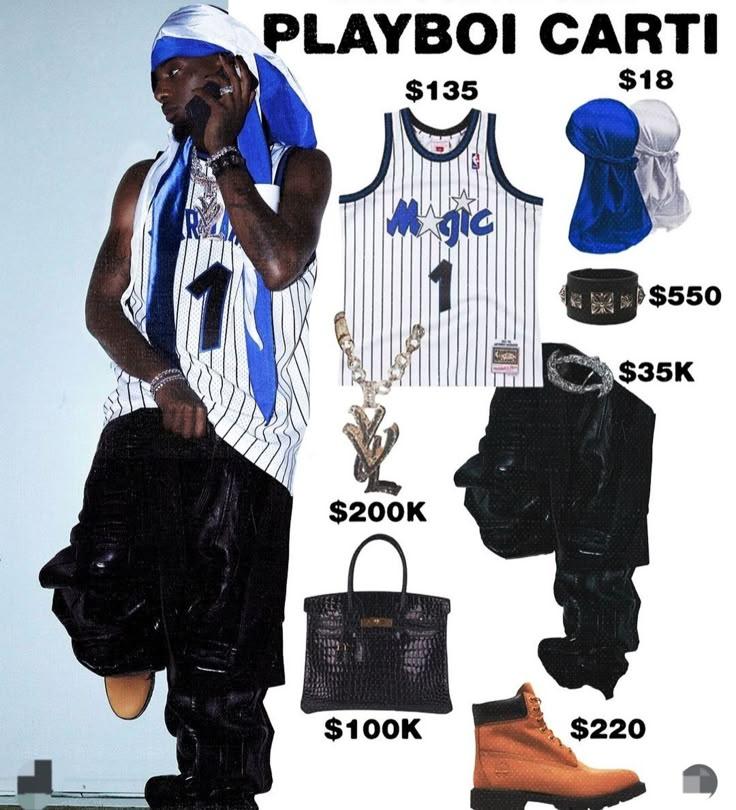
Carti’s influence extends far beyond music. His fashion sense has made him a style icon for millions of young people worldwide. Drawing inspiration from punk rock, goth aesthetics, high fashion, and streetwear, Carti consistently experiments with his appearance. He has worked closely with major fashion brands and designers while becoming a regular presence at fashion events. His willingness to challenge masculine fashion norms and embrace avant-garde styles helped redefine how modern rappers approach personal branding and visual identity.
Another major turning point in Carti’s career came with the release of Whole Lotta Red in December 2020. The album arrived after years of anticipation, leaks, and fan speculation. Upon release, the project sparked intense debate due to its aggressive punk-inspired sound, distorted vocals, and chaotic energy. While some listeners initially found the album difficult to understand, many critics and fans later praised it as groundbreaking and visionary.
“Whole Lotta Red” showcased Carti at his most experimental. Songs featured screaming vocals, dark production, and unconventional song structures that challenged mainstream rap expectations. Tracks such as “Sky,” “Stop Breathing,” and “Vamp Anthem” became especially popular among younger audiences. The album eventually debuted at number one on the Billboard 200 chart, proving Carti’s massive commercial appeal despite his unconventional artistic choices.
Carti’s “vamp” aesthetic introduced during the “Whole Lotta Red” era became a cultural phenomenon. Inspired by gothic imagery, punk fashion, and horror themes, the aesthetic influenced music videos, fan culture, clothing trends, and internet memes. Carti embraced dark clothing, dramatic makeup, leather outfits, and rebellious imagery that distinguished him from traditional hip hop artists. This creative direction helped solidify his reputation as an artist unafraid to take risks.
Throughout his career, Carti has collaborated with some of the biggest names in music, including Kanye West, The Weeknd, Future, and Young Thug. These collaborations reflect the respect he commands within the industry, even among veteran artists. Many musicians admire Carti’s ability to influence culture while remaining unpredictable and creatively fearless.
Despite his enormous popularity, Carti’s career has not been without controversy. He has faced legal issues, public criticism, and scrutiny surrounding aspects of his personal life. His relationships, parenting controversies, and occasional run-ins with the law have frequently made headlines. However, these controversies have done little to diminish his popularity among devoted fans, many of whom remain intensely loyal to his artistic vision.
One reason for Carti’s enduring influence is his role in shaping the modern rage and hypertrap subgenres that dominate parts of today’s rap scene. Numerous younger artists have openly cited him as an inspiration. His vocal techniques, minimalist songwriting, distorted beats, and punk-inspired performance style can be heard across a new generation of artists emerging from internet rap communities.
Carti’s fanbase is among the most passionate in contemporary music culture. Online communities dedicated to his work constantly discuss leaks, unreleased songs, theories, and concert moments. This intense fan engagement has helped turn Carti into more than just a rapper; he has become a cultural movement. His influence can be seen in fashion trends, TikTok culture, underground rap aesthetics, and even graphic design styles associated with youth culture.
As an artist, Playboi Carti represents a shift in how music is consumed and appreciated in the digital era. Rather than focusing solely on lyrical storytelling, he prioritizes mood, feeling, energy, and aesthetic experience. His music often functions as emotional expression rather than traditional narrative songwriting. This approach resonates strongly with younger audiences who value atmosphere, identity, and creative individuality.
Over time, critics who once dismissed Carti’s style began acknowledging his innovation and cultural importance. His ability to challenge conventions while maintaining mainstream success places him among the most influential rap artists of his generation. Whether through fashion, live performances, or experimental music, Carti continues to push boundaries and inspire new artistic movements.
Today, Playboi Carti remains one of the most talked-about figures in global hip hop culture. His ability to evolve, create anticipation, and dominate conversations without constantly releasing music demonstrates the strength of his artistic identity. With millions of fans worldwide and an influence that stretches across music, fashion, and internet culture, Playboi Carti has established himself as more than just a rapper. He is a symbol of creative rebellion, youthful energy, and the constantly evolving future of modern music.
Recommended: Earn From Your Phone
- Easy Dollar Maker — earn in dollars uploading AI images and videos from your phone ($17). Check it out
- Video Editing Blueprint for Beginners — learn video editing and start creating content ($10). Check it out
- CapCut Pro (Lifetime Access) — the pro video editor for your TikToks and music videos ($3.40). Check it out
Disclosure: These are affiliate links. If you buy through them, I may earn a commission at no extra cost to you.