Tyla
Tyla


Tyla has rapidly become one of the most recognizable young music stars to emerge from Africa in recent years. Known for her captivating voice, magnetic stage presence, and unique fusion of amapiano, pop, R&B, and Afrobeats, Tyla represents a new generation of African artists breaking international boundaries while proudly embracing their roots. Her rise from Johannesburg, South Africa, to global fame is a story of talent, persistence, cultural pride, and modern digital-era success.
Born Tyla Laura Seethal on January 30, 2002, in Johannesburg, South Africa, Tyla grew up in a culturally diverse environment that heavily influenced her personality and music. She comes from a mixed heritage family with Indian, Zulu, Mauritian, and Irish ancestry, something she has openly celebrated throughout her career. Growing up in Johannesburg exposed her to different musical styles and cultures, helping shape her broad artistic identity from an early age. Even as a child, Tyla displayed a strong passion for music, entertainment, and performing arts. She admired international superstars such as Michael Jackson, Rihanna, Aaliyah, and Beyoncé, drawing inspiration from their artistry, visuals, and stage charisma.
Tyla attended Edenglen High School in Johannesburg, where she was known for being creative, stylish, and passionate about entertainment. During her teenage years, she frequently posted singing videos and covers on social media platforms, especially Instagram and TikTok. Unlike many artists who had immediate access to major studios or music industry connections, Tyla initially built her presence independently through online exposure. She carefully crafted her image and continuously worked on improving her vocal style and artistic identity. Social media eventually became the bridge between her talent and the wider music industry.
After completing high school, Tyla made the bold decision to fully pursue music professionally. While many people around her expected her to take a more traditional career path, she remained focused on her dream of becoming a global music star. Her family eventually supported her ambitions, especially after noticing her dedication and growing online popularity. Tyla started collaborating with producers and creatives in South Africa, gradually developing a sound that blended contemporary pop with amapiano, a South African music genre that was rapidly gaining popularity across Africa and internationally.
Her major breakthrough came in 2019 with the release of her debut single “Getting Late,” featuring South African producer Kooldrink. The song became a huge success within South Africa and quickly attracted attention beyond the country. The music video showcased Tyla’s youthful energy, beauty, dance ability, and confidence, helping her stand out in a competitive music industry. “Getting Late” became more than just a viral song; it introduced Tyla as an artist with strong international potential. The track received millions of views on YouTube and established her as one of South Africa’s fastest-rising female artists.
Following the success of “Getting Late,” Tyla signed a major recording deal with Epic Records in partnership with Fax Records, a move that significantly elevated her career. Signing to an international label gave her access to global production resources, marketing support, and larger audiences. However, Tyla remained deeply connected to her South African roots and consistently emphasized the importance of representing African music on the world stage. Rather than abandoning her cultural influences for mainstream Western sounds, she embraced amapiano and African rhythms as central parts of her music identity.
One of the defining moments of Tyla’s career came with the release of her smash hit single “Water” in 2023. The song became a global phenomenon and completely transformed her status from a regional star into an international sensation. “Water” blended smooth vocals, catchy melodies, seductive lyrics, and amapiano-inspired production into a highly addictive sound that resonated worldwide. The song exploded on TikTok, where dance challenges and viral trends helped spread it rapidly across multiple countries. Millions of users participated in the “Water” dance challenge, turning the track into one of the biggest global hits of the year.
The success of “Water” was historic for several reasons. Tyla became one of the very few South African solo artists to achieve major success on international charts, especially in the United States and Europe. The song entered the Billboard Hot 100 chart, making Tyla the first South African soloist in decades to accomplish such a feat. Her growing global recognition also earned her performances on international television platforms, award shows, and music festivals. Suddenly, Tyla was no longer just an African rising star; she had become a worldwide pop culture figure.
Tyla’s artistry is often praised for introducing amapiano-inspired sounds to broader global audiences. Amapiano, which originated in South Africa, combines deep house, jazz, lounge music, and percussion-heavy rhythms. While the genre was already hugely successful within Africa, Tyla helped expose millions of new listeners around the world to its infectious sound. She has consistently spoken about wanting African artists and genres to receive the same respect and global recognition as Western music styles. Through her success, she became part of a larger movement of African artists redefining global pop music.
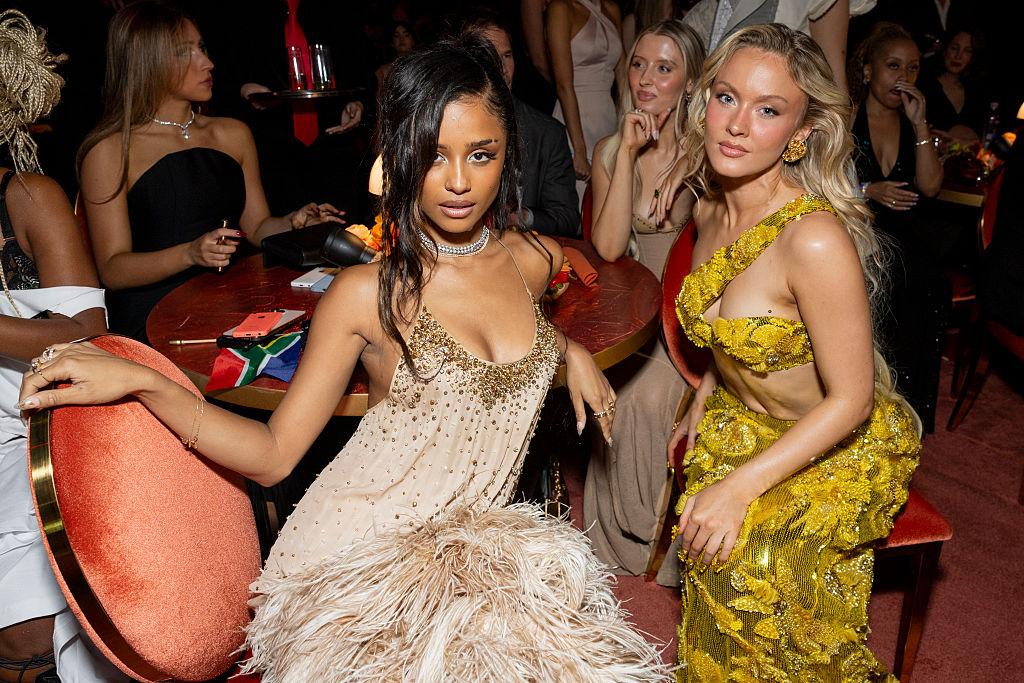
Beyond music, Tyla is widely admired for her fashion sense and visual identity. Her style blends modern streetwear, high-fashion glamour, African influences, and Y2K aesthetics. Many fans compare her fashion confidence and star quality to early 2000s R&B icons. She has appeared in major fashion campaigns, magazine editorials, and red-carpet events, quickly becoming a favorite among fashion brands and designers. Her image appeals strongly to younger audiences who appreciate her authenticity, confidence, and trendsetting presence.
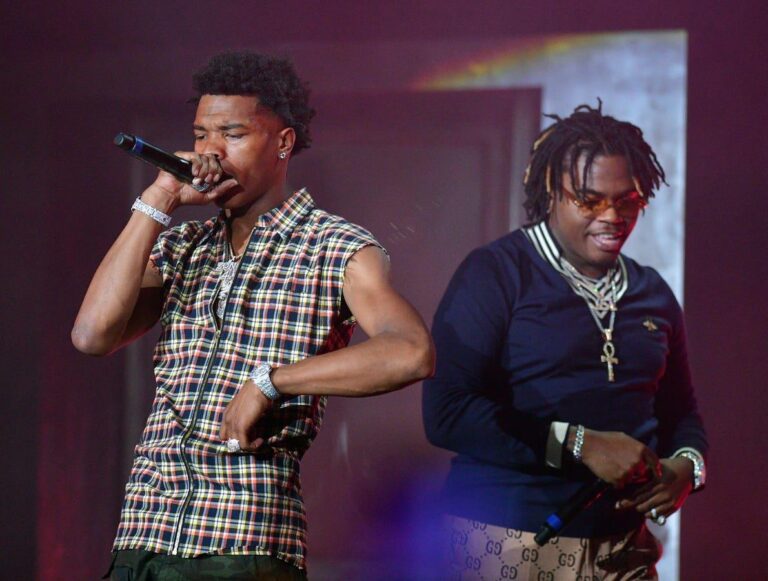
Tyla’s performances are another major aspect of her appeal. Despite being relatively young, she has demonstrated strong stage presence and dance ability that often remind fans of classic pop entertainers. Her live performances combine choreography, vocal performance, charisma, and audience interaction in ways that make her stand out among contemporary artists. She understands the importance of visual presentation in modern music culture and consistently delivers performances that feel energetic and memorable.
As her fame increased, Tyla also faced criticism and controversies, particularly surrounding conversations about race, identity, and representation. Some online debates emerged regarding how she identified racially and culturally. Tyla addressed these discussions by emphasizing her South African identity and explaining that race and ethnicity are often understood differently in South Africa compared to other parts of the world. Despite occasional controversies, she continued focusing on her music and career growth rather than allowing internet debates to distract her progress.
Tyla’s success has also inspired many young African artists, especially female musicians who dream of achieving international recognition without abandoning their cultural identity. She represents a new era where African artists no longer need to completely conform to Western music expectations to achieve global success. Instead, artists like Tyla are proving that local sounds, languages, and cultural influences can become globally celebrated when presented authentically.
In 2024, Tyla achieved another major career milestone by winning a Grammy Award in the Best African Music Performance category for “Water.” This achievement further solidified her place among the most influential young artists in the world. Winning a Grammy at such an early stage of her career demonstrated how quickly she had risen within the international music industry. It also marked a proud moment for South Africa and African music as a whole.
Despite her rapid rise to fame, Tyla has continued to present herself as humble, ambitious, and focused on growth. She frequently speaks about wanting longevity in the music industry rather than temporary viral success. Her goal is to evolve artistically while continuing to represent African excellence on the global stage. Many industry experts believe she has the potential to become one of the defining global pop stars of her generation if she continues developing her artistry and maintaining consistency.
Tyla’s journey from posting singing videos online to becoming a Grammy-winning international artist reflects the power of talent, digital media, cultural authenticity, and determination. She has already achieved milestones that many artists spend decades chasing, yet she remains at the beginning of what could become an extraordinary career. Her influence extends beyond music into fashion, youth culture, African representation, and global entertainment.
Today, Tyla stands as one of Africa’s brightest musical exports and a symbol of how modern African artists are reshaping the global music landscape. Through her voice, style, creativity, and fearless embrace of her heritage, Tyla continues to inspire millions of fans worldwide while opening doors for future generations of African talent.
Recommended: Earn From Your Phone
- Easy Dollar Maker — earn in dollars uploading AI images and videos from your phone ($17). Check it out
- Video Editing Blueprint for Beginners — learn video editing and start creating content ($10). Check it out
- CapCut Pro (Lifetime Access) — the pro video editor for your TikToks and music videos ($3.40). Check it out
Disclosure: These are affiliate links. If you buy through them, I may earn a commission at no extra cost to you.