Sean Paul
Sean Paul
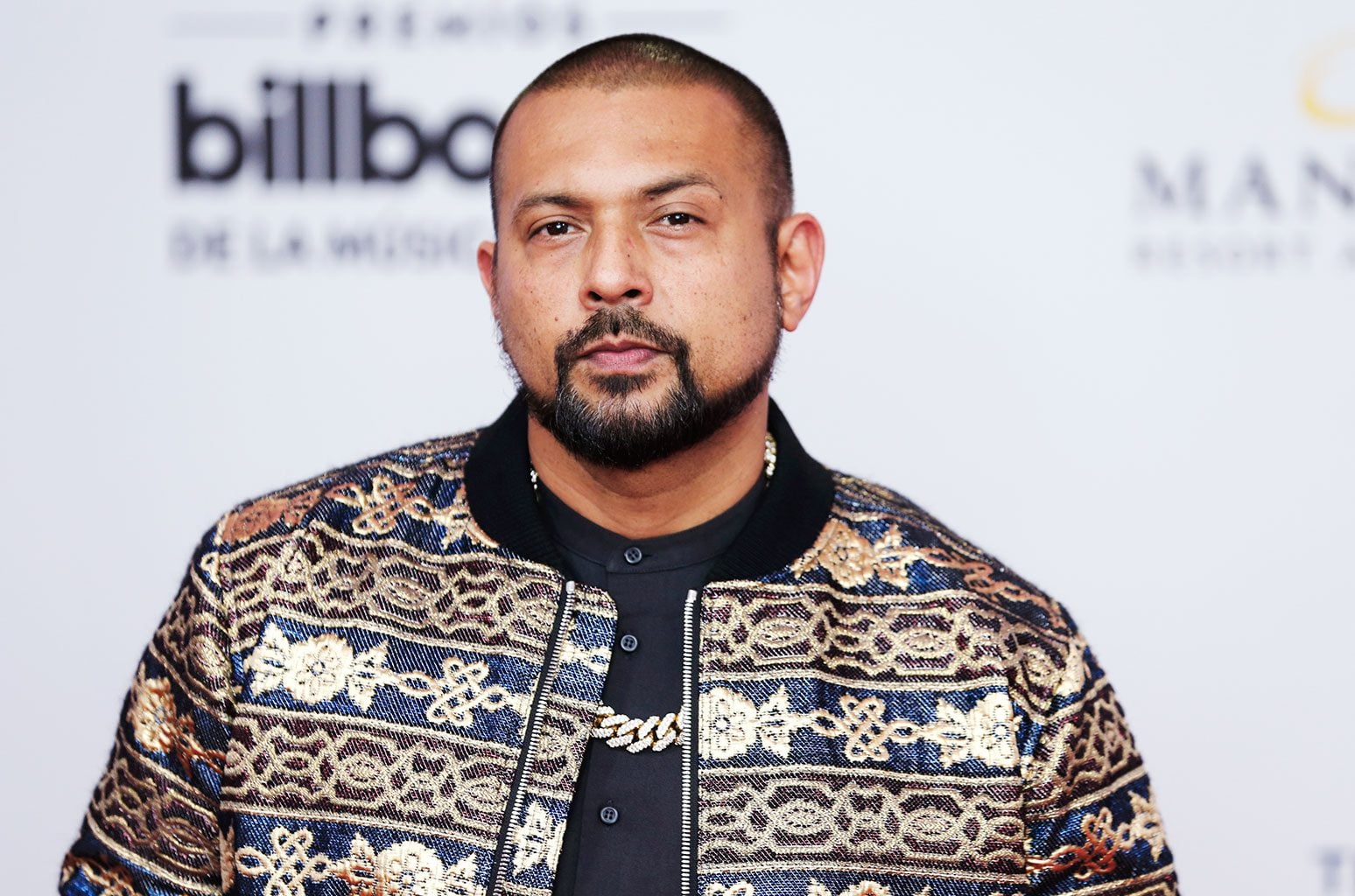
Sean Paul is one of the most influential figures in modern dancehall music, credited with helping push Jamaican sounds into global mainstream pop culture in the early 2000s and keeping them consistently relevant across multiple generations of listeners. Born Sean Paul Ryan Francis Henriques on January 9, 1973, in Kingston, Jamaica, he grew up in a culturally rich but disciplined household that blended athletic excellence, artistic exposure, and entrepreneurial values. His mother, Frances, is a well-known painter, while his father, Garth Henriques, was a businessman of Portuguese-Jamaican descent who also played water polo. That mix of creativity and discipline would later define Sean Paul’s unique approach to music and career longevity.
Before becoming a global music star, Sean Paul was actually more focused on sports than music. He was a talented swimmer and even represented Jamaica in water polo at the national level. He trained seriously in athletics and initially showed no strong intention of entering the entertainment industry. He attended Wolmer’s Boys’ School in Kingston and later studied hotel management at the University of Technology, Jamaica (UTech). His early life reflected a structured path that could have led him into business or sports, but music gradually became an unavoidable calling through his environment and friendships.
During the 1990s, Jamaica was undergoing a powerful evolution in dancehall music. Sound system culture, DJ clashes, and lyrical innovation were shaping a new generation of artists. Sean Paul was introduced to this world through friends and collaborators who were already involved in the scene. One of the most important influences in his early career was producer Jeremy Harding, who helped him develop his first breakout sound. His early work was heavily rooted in authentic dancehall rhythms—raw, energetic, and designed for the Jamaican street dance environment rather than global pop markets.
His first significant breakthrough came with the song “Baby Girl” in 1996, but it was the late 1990s and early 2000s that truly established him as a rising star. His debut album, Stage One (2000), released under VP Records, introduced him to a wider audience beyond Jamaica. Tracks like “Haffi Get De Gal Ya (Hot Gal Today)” and “Deport Them” showcased his ability to blend catchy hooks with traditional dancehall patois, making his music both authentic and accessible. The album performed well in the reggae and dancehall circuit, but his global breakthrough was still ahead.
That breakthrough arrived with his second album, Dutty Rock (2002). This project transformed Sean Paul from a Caribbean star into an international sensation. The album produced multiple global hits, including “Gimme the Light,” “Get Busy,” “Like Glue,” and “I’m Still in Love with You” featuring Sasha. “Get Busy” in particular became a defining song of the early 2000s, topping the Billboard Hot 100 chart in the United States and dominating charts across Europe, Africa, and Asia. The album itself won the Grammy Award for Best Reggae Album in 2004, cementing Sean Paul’s place in music history.
What made Sean Paul stand out at that time was not just his voice or rhythm, but his ability to translate Jamaican dancehall energy into globally consumable pop music without losing authenticity. His rapid-fire delivery, rhythmic precision, and signature melodic hooks created a sound that was both danceable and instantly recognizable. While many reggae and dancehall artists struggled to cross over into mainstream markets, Sean Paul achieved it at a time when global audiences were becoming more open to Caribbean influences.
Following the success of Dutty Rock, he released The Trinity (2005), another commercially successful album that expanded his global reach. This album included hits such as “We Be Burnin’,” “Temperature,” “Never Gonna Be the Same,” and “Give It Up to Me.” “Temperature” became one of his most iconic songs, reaching number one on the Billboard Hot 100 and becoming a staple in clubs, radio stations, and international playlists. The song’s success reinforced his reputation as a hitmaker capable of producing global chart-toppers consistently.
Throughout the late 2000s and early 2010s, Sean Paul continued releasing albums and singles that maintained his presence in the music industry, even as global music trends shifted toward EDM, hip-hop, and later streaming-driven pop. Albums like Imperial Blaze (2009), Tomahawk Technique (2012), and Full Frequency (2014) demonstrated his willingness to evolve his sound while still staying true to dancehall roots. He collaborated with a wide range of artists across genres, including Beyoncé, Sia, Dua Lipa, Rihanna, Busta Rhymes, and Clean Bandit. These collaborations helped introduce him to younger audiences and kept him relevant in a fast-changing music landscape.
One of the most important aspects of Sean Paul’s career is his adaptability. While many early 2000s artists faded as musical trends evolved, he successfully repositioned himself within the streaming era. His feature on Clean Bandit’s “Rockabye” (2016) became a massive global hit, reaching number one in multiple countries and accumulating billions of streams. Similarly, his collaboration with Sia on “Cheap Thrills” became one of the most successful songs of the decade, further proving that his voice and style could still dominate modern pop charts.
Beyond commercial success, Sean Paul has played a significant cultural role in globalizing dancehall music. Before his rise, dancehall was largely confined to Jamaica and diaspora communities. His international success helped open doors for other Caribbean artists, including Shaggy, Beenie Man, and later generations like Popcaan, Spice, and Shenseea. He effectively became a cultural ambassador for Jamaican music, bridging the gap between local sound system culture and global pop markets.
His influence also extends into language and pop culture. His use of Jamaican patois in mainstream songs introduced millions of listeners worldwide to Caribbean slang and rhythmic speech patterns. Many of his phrases and vocal styles became widely imitated in pop music and social media culture. Even artists outside dancehall have borrowed elements of his delivery style, particularly the rhythmic, syncopated vocal patterns that define his sound.
On a personal level, Sean Paul is known for maintaining a relatively private and grounded lifestyle despite his fame. In 2012, he married Jamaican television presenter Jodi Stewart, and the couple has one child. He has often spoken about balancing family life with the demands of touring and recording, emphasizing discipline and structure as key to sustaining a long career in entertainment.
Over the years, he has also been recognized for his contributions to music and culture. He has won multiple awards, including a Grammy Award, MTV Video Music Awards, and Billboard Music Awards, along with numerous international honors. His consistency across decades is particularly notable in an industry where longevity is rare.
Even in the 2020s, Sean Paul remains active, releasing new music and collaborating with emerging artists. He continues to tour globally, performing in major festivals and arenas, and his catalog remains highly streamed across platforms like Spotify and Apple Music. His ability to remain relevant across three decades of changing music trends speaks to both his talent and his understanding of the global music ecosystem.
In summary, Sean Paul represents one of the most successful exports of Jamaican music in modern history. From his early days as a disciplined athlete in Kingston to becoming a Grammy-winning global superstar, his journey reflects persistence, adaptability, and cultural authenticity. He not only achieved commercial success but also helped reshape how the world perceives and consumes dancehall music. His legacy continues to influence artists across genres, ensuring that his impact on global music will endure for many years to come.
Recommended: Earn From Your Phone
- Easy Dollar Maker — earn in dollars uploading AI images and videos from your phone ($17). Check it out
- Video Editing Blueprint for Beginners — learn video editing and start creating content ($10). Check it out
- CapCut Pro (Lifetime Access) — the pro video editor for your TikToks and music videos ($3.40). Check it out
Disclosure: These are affiliate links. If you buy through them, I may earn a commission at no extra cost to you.