Vybz Kartel
Vybz Kartel
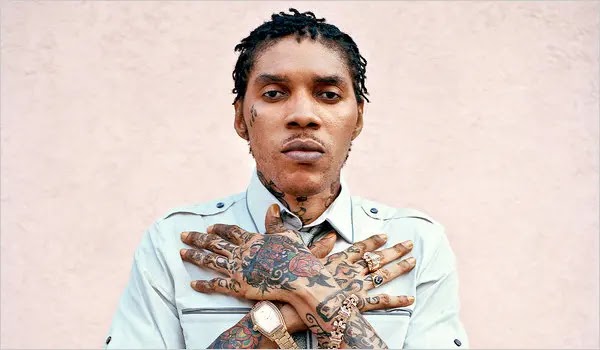
Vybz Kartel, born Adidja Azim Palmer on January 7, 1976, in Kingston, Jamaica, is one of the most influential and controversial figures in modern dancehall music. His career has been defined by extraordinary musical innovation, lyrical dominance, commercial success, and equally significant legal and personal controversies that have kept him in global headlines for over two decades. Despite periods of incarceration and restrictions on his public presence, Kartel’s influence on dancehall culture, slang, fashion, and production styles remains deeply embedded in contemporary Caribbean music.
Growing up in the Waterford area of Portmore, St. Catherine, Jamaica, Kartel was exposed early to the vibrant but challenging environment that often shapes many Jamaican artists. From a young age, he showed an interest in music and writing, influenced by the reggae and dancehall sounds dominating Jamaican airwaves. As a teenager, he began writing lyrics and developing a sharp lyrical style characterized by clever wordplay, street realism, and provocative themes. Unlike many artists who enter the music industry primarily through formal training or structured mentorship, Kartel’s rise was largely self-driven, fueled by ambition and a strong understanding of street culture and audience appeal.
He initially entered the music scene in the early 1990s under the stage name “Adi Banton,” a nod to reggae legend Buju Banton. During this early phase, he struggled to gain major recognition, but his persistence led him to connect with other emerging talents in the Jamaican dancehall circuit. A significant turning point came when he joined the Portmore Empire collective, also known as the Gaza Empire, which became both a musical movement and a cultural brand. Around this time, he adopted the name Vybz Kartel, symbolizing his intention to bring “vibes” and energy to dancehall while asserting dominance in lyrical battles, often referred to as “clashes” in Jamaican music culture.
Kartel’s breakthrough came in the early 2000s, particularly through his collaborations with established producers and his ability to consistently deliver hit singles. His lyrical style stood out for its versatility—he could produce hardcore dancehall tracks, party anthems, and controversial street narratives with equal ease. Songs such as “Romping Shop” featuring Spice brought him international attention, while tracks like “Clarks” (featuring various Gaza affiliates) helped revive global interest in Clarks shoes as a fashion trend in Caribbean youth culture. This ability to influence consumer behavior through music became a hallmark of Kartel’s career.
As his popularity grew, Kartel became known not only as an artist but also as a cultural commentator. His lyrics often addressed social issues in Jamaica, including poverty, crime, relationships, and systemic inequality. However, he also gained criticism for explicit content, violent imagery, and provocative statements that some observers felt contributed to negative social influences. Despite the controversy, his fan base expanded rapidly, particularly among younger audiences who resonated with his raw storytelling and unapologetic persona.
Beyond music, Kartel also ventured into business and entrepreneurship. He launched product lines including skin care soaps, rum brands, and condom lines, demonstrating a strong understanding of branding and market influence. He also briefly entered academia, teaching a course in music production and entrepreneurship at the University of the West Indies, a move that surprised many critics but reinforced his intellectual approach to the music industry. This period helped reshape his public image, showing that beneath the controversial persona was a strategic thinker with deep insights into music economics and cultural branding.
Kartel’s rise, however, was not without increasing legal scrutiny. Over time, he became involved in several legal disputes and public controversies. The most significant turning point in his life came in 2011 when he was arrested and later charged in connection with a murder case involving Clive “Lizard” Williams. After a highly publicized trial, Kartel was convicted in 2014 and sentenced to life imprisonment, with eligibility for parole after 35 years. This conviction marked a dramatic shift in his career, as many believed it would end his influence in music permanently.
However, contrary to expectations, Kartel’s career did not fade. Instead, his music output continued from prison through unreleased recordings and collaborations managed by his team. Remarkably, his popularity even grew during incarceration. Fans viewed him as a symbol of resilience and resistance, and his songs continued to dominate charts in Jamaica and beyond. His ability to maintain relevance without physical presence in the music industry is widely considered one of the most unusual phenomena in modern entertainment.
During his imprisonment, Kartel also faced serious health challenges, including Graves’ disease, a thyroid condition that visibly affected his appearance and health. This led to public concern and discussions about prison conditions in Jamaica. Despite these challenges, he continued writing music and influencing dancehall culture from behind bars, further solidifying his reputation as a dominant figure in the genre.
In 2024, after years of legal battles and appeals, Kartel’s murder conviction was overturned by the UK-based Privy Council, Jamaica’s highest appellate court at the time. The court cited issues related to juror misconduct and procedural irregularities during the original trial. This landmark decision led to his release, sparking widespread celebrations among fans and renewed debates about the justice system and the handling of high-profile cases in Jamaica. His release marked a new chapter in his life and career, reigniting interest in his music catalog and opening possibilities for future projects.
Musically, Vybz Kartel’s influence is undeniable. He is credited with shaping the modern sound of dancehall, particularly the “gaza” movement that blended aggressive lyrical delivery with catchy hooks and digital production styles. He played a key role in popularizing new slang terms in Jamaican Patois, many of which spread globally through music and social media. His collaborations with artists across genres also helped bridge dancehall with hip-hop, pop, and Afrobeat audiences.
Kartel’s discography is extensive, with hundreds of recorded songs spanning multiple styles and themes. His ability to remain relevant through constant releases, even during incarceration, is a testament to his productivity and strategic approach to music distribution. Albums and mixtapes such as “King of the Dancehall” and “Viking (Vybz Is King)” showcase his range and consistency.
Critically, opinions about Kartel remain divided. Supporters view him as a genius lyricist and cultural innovator who reshaped dancehall music and globalized its appeal. Critics, however, focus on his criminal conviction and the controversial nature of some of his lyrics. Regardless of perspective, his impact on music, fashion, language, and youth culture in Jamaica and the broader Caribbean region is widely acknowledged.
Today, Vybz Kartel remains one of the most talked-about figures in dancehall history. His journey, from Kingston’s streets to global stardom, from music charts to prison cells and back into public life, represents a complex narrative of talent, controversy, resilience, and cultural impact. His legacy continues to evolve as new generations discover his music and as he re-establishes his presence in the industry following his release.
Whether celebrated as a genius or debated as a controversial figure, Vybz Kartel’s name is permanently etched into the history of dancehall music as one of its most influential architects.
Recommended: Earn From Your Phone
- Easy Dollar Maker — earn in dollars uploading AI images and videos from your phone ($17). Check it out
- Video Editing Blueprint for Beginners — learn video editing and start creating content ($10). Check it out
- CapCut Pro (Lifetime Access) — the pro video editor for your TikToks and music videos ($3.40). Check it out
Disclosure: These are affiliate links. If you buy through them, I may earn a commission at no extra cost to you.