Shallipopi
Shallipopi


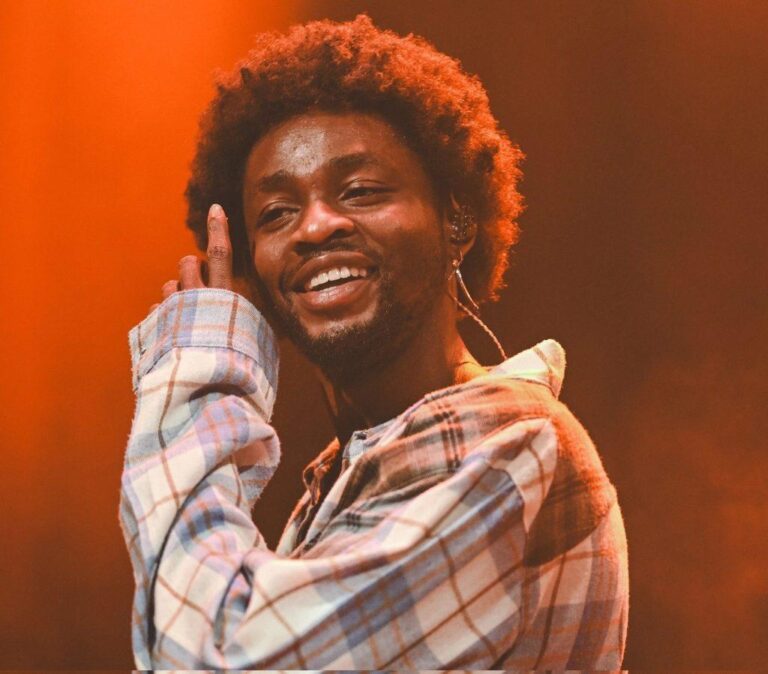
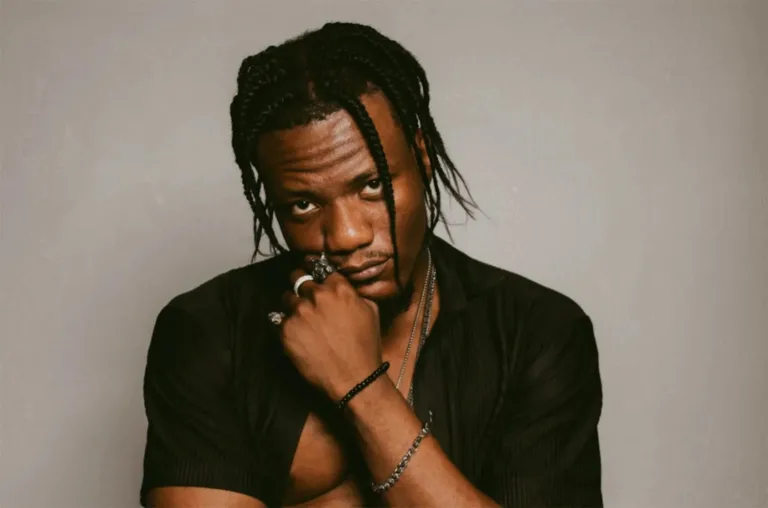
Shallipopi, born Crown Uzama, is one of the fastest rising music stars to emerge from Nigeria’s modern street-pop movement. Known for his energetic delivery, unconventional slang, catchy hooks, and bold personality, Shallipopi carved out a unique space for himself in the African music industry within a remarkably short period. His rise from the streets of Benin City to becoming one of the most talked-about musicians in Nigeria represents a story of resilience, creativity, persistence, and cultural influence.
Shallipopi was born in Benin City, Edo State, Nigeria, into a humble family where survival often depended on determination and hard work. Growing up in Benin City exposed him to a rich blend of street culture, local slang, entertainment, and everyday struggles that later shaped his musical identity. Benin City has long been known for producing talented entertainers, and Shallipopi would eventually become one of the city’s most celebrated modern exports. From a young age, he displayed an interest in music, entertainment, and performance. Like many young Nigerians with artistic dreams, he started experimenting with freestyle rap, songwriting, and street performances while trying to navigate the realities of life around him.
Unlike many artists who were groomed through formal music education or talent competitions, Shallipopi’s development came directly from the streets and everyday experiences. He absorbed influences from Afrobeats, hip-hop, trap music, and Nigeria’s growing street-hop culture. Over time, he developed a style that felt authentic to his background. His music often includes Benin slang, Pidgin English, coded street expressions, and catchy chants that resonate strongly with young listeners across Nigeria and beyond.
Before gaining mainstream attention, Shallipopi spent years trying to build his name underground. He released several songs independently and used social media platforms to promote his music. During this early stage of his career, he struggled with limited resources, low visibility, and the challenge of breaking into Nigeria’s highly competitive music industry. However, he remained consistent, understanding that viral moments and public attention often come unexpectedly in the digital age.
His breakthrough came in 2023 with the release of the viral hit song “Elon Musk.” The song exploded across TikTok, Instagram, clubs, campuses, and streaming platforms, quickly turning Shallipopi into a national sensation. The title itself immediately attracted attention because it referenced billionaire entrepreneur Elon Musk, but it was the song’s catchy rhythm, memorable chorus, and unique delivery that truly captured listeners. Young people embraced the song because it reflected modern street culture while sounding fresh and entertaining. The success of “Elon Musk” transformed Shallipopi from an underground artist into a recognized name in Afrobeats and Nigerian street music.
One major factor that contributed to Shallipopi’s popularity was his originality. At a time when many artists were chasing polished commercial sounds, Shallipopi leaned fully into raw street energy and unconventional flows. His songs often sound spontaneous and rebellious, giving fans the impression that he is expressing himself naturally without trying to conform to industry standards. This authenticity became one of his strongest selling points. Fans appreciated that he represented everyday youth culture rather than attempting to imitate foreign trends.
After the success of “Elon Musk,” Shallipopi quickly capitalized on his growing momentum by releasing more music and collaborating with other artists. Songs such as “Sharpiru,” “Ex Convict,” and “Cast” helped solidify his position as one of Nigeria’s hottest emerging acts. His collaboration with Odumodublvck further expanded his reach and introduced him to wider audiences within Africa’s evolving hip-hop and street-pop scene.
Another important element of Shallipopi’s success is his understanding of internet culture. He belongs to a generation of artists who recognize that music promotion now extends beyond radio stations and television. Social media trends, memes, dance challenges, and viral phrases play a major role in determining commercial success. Shallipopi mastered this environment by creating music that people could easily use in short-form content. Many of his lyrics became internet slang, while his songs dominated user-generated videos across multiple platforms.
Shallipopi’s music style is difficult to place into a single category because it combines several influences. Some listeners describe his sound as Afrobeats, while others consider it street-pop, Afro-trap, or alternative street-hop. Regardless of the label, his music carries an unmistakable identity. His songs are usually driven by heavy beats, repetitive hooks, confident delivery, and street-inspired storytelling. He frequently talks about hustle, survival, money, ambition, loyalty, betrayal, and enjoyment of success. These themes strongly connect with young audiences who relate to the realities of economic hardship and social aspiration.
Beyond music, Shallipopi became known for his fashion style and public image. He often appears in bold outfits, designer wear, street-inspired clothing, and flashy accessories that reflect his rise from poverty to fame. His confidence and eccentric personality helped him stand out in an industry where branding is extremely important. Fans admire his fearless attitude and the way he embraces his roots without pretending to be someone else.
Despite his rapid rise, Shallipopi’s journey has not been without controversy and challenges. At different points, he faced criticism regarding some of his lyrics, street affiliations, and online behavior. Like many street-pop artists, he sometimes attracted attention from authorities and public commentators who questioned the influence of certain themes in his music. However, controversies often increased his visibility rather than slowing his career. In Nigeria’s entertainment industry, artists who generate conversation frequently maintain stronger relevance among younger audiences.
One particularly significant moment in his career involved legal and public issues surrounding allegations linked to fraud-related activities. Although such situations generated widespread media discussions, Shallipopi continued focusing on his music career and maintained strong fan support. Many of his supporters argued that his music represented street realities rather than criminal endorsement. The situation also highlighted the broader social conversations surrounding youth unemployment, survival culture, and internet fraud stereotypes in Nigeria.
As his popularity grew, Shallipopi began performing at major concerts, university shows, festivals, and nightlife events across Nigeria. His stage performances became known for high energy, crowd engagement, and raw street charisma. Audiences often sing his lyrics word-for-word, demonstrating the deep connection he has built with his fan base in a short period of time. His songs also started gaining international listeners, especially within African communities abroad.
The commercial success of Shallipopi reflects the changing direction of African music. For many years, mainstream Afrobeats was dominated by polished pop sounds designed primarily for international audiences. However, artists like Shallipopi helped bring local street culture back into the spotlight. His success proved that authenticity and grassroots appeal can still dominate even in an increasingly globalized music market.
Shallipopi also became an inspiration for many upcoming artists from smaller cities in Nigeria. Traditionally, Lagos has been viewed as the center of Nigeria’s entertainment industry, making it difficult for artists outside the city to gain recognition. Shallipopi’s emergence from Benin City demonstrated that digital platforms now allow talented individuals to break through regardless of location. His story encouraged many young musicians to continue pursuing their dreams even without industry connections or major financial backing.
Another remarkable aspect of Shallipopi’s career is the speed of his growth. Within a relatively short period, he moved from being an unknown underground act to becoming one of Nigeria’s most streamed and discussed artists. This rapid ascent highlights the power of viral marketing, streaming culture, and youth-driven entertainment trends in today’s music industry.
In addition to music, Shallipopi has shown entrepreneurial ambition. Like many successful modern artists, he understands the importance of building a brand beyond songs alone. His growing influence positions him for opportunities in endorsements, fashion collaborations, business ventures, and international partnerships. Industry observers believe that if he maintains consistency and continues evolving artistically, he could become one of Africa’s defining street-pop stars for years to come.
Today, Shallipopi remains one of the most influential voices among Nigeria’s younger music generation. His ability to transform local slang and street experiences into mainstream entertainment has made him culturally significant far beyond music charts. Whether through viral hits, energetic performances, internet trends, or youth influence, Shallipopi represents a new era of African artists who build success directly from authenticity, relatability, and digital connection.
His story continues to evolve, but his impact on Nigerian street-pop culture is already undeniable. From Benin City’s streets to national fame, Shallipopi’s journey reflects determination, creativity, and the changing face of modern African entertainment.
Recommended: Earn From Your Phone
- Easy Dollar Maker — earn in dollars uploading AI images and videos from your phone ($17). Check it out
- Video Editing Blueprint for Beginners — learn video editing and start creating content ($10). Check it out
- CapCut Pro (Lifetime Access) — the pro video editor for your TikToks and music videos ($3.40). Check it out
Disclosure: These are affiliate links. If you buy through them, I may earn a commission at no extra cost to you.