50 Cent
50 Cent


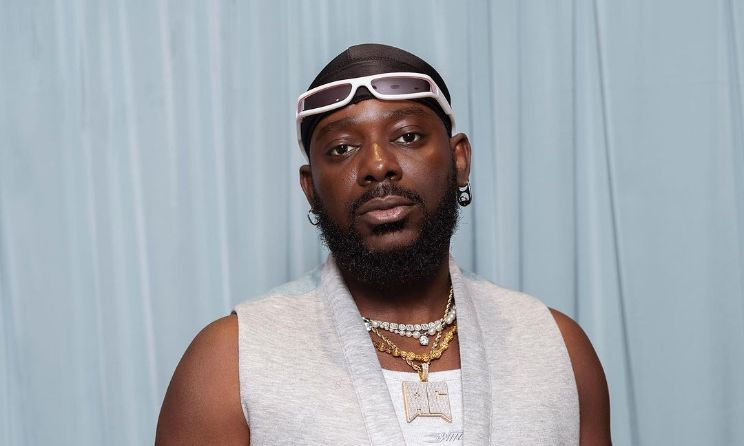
50 Cent, born Curtis James Jackson III on July 6, 1975, is one of the most influential figures in modern hip hop culture. Beyond music, he has built a reputation as a businessman, actor, television producer, and entrepreneur whose life story continues to inspire millions around the world. His journey from the dangerous streets of South Jamaica, Queens, in New York City to becoming a global entertainment powerhouse is often described as one of the greatest comeback stories in the music industry.
Growing up in Queens during the height of the crack epidemic in the 1980s was far from easy for Curtis Jackson. Raised primarily by his mother, Sabrina, who was a drug dealer, his childhood was surrounded by hardship, violence, and instability. His mother tragically died when he was only eight years old under mysterious circumstances believed to be connected to street life. After her death, he was raised by his grandparents. The streets quickly became both a survival ground and a harsh teacher for the young Jackson. As a teenager, he became involved in drug dealing and street hustling, trying to make money in a neighborhood where opportunities were scarce.
Despite his difficult upbringing, Curtis had ambitions that stretched beyond the streets. He developed an interest in boxing during his teenage years and showed considerable talent. Boxing taught him discipline and resilience, qualities that would later help him survive both personal and professional battles. However, the lure of quick money from street activities remained strong. By the age of twelve, he was already involved in illegal activities, and by the late 1990s, he had been arrested several times for drug-related offenses.
While facing the realities of street life, Jackson discovered music as an outlet for expression and ambition. He admired legendary rappers like Rakim and KRS-One and began writing rhymes that reflected the harsh realities around him. His raw storytelling, aggressive flow, and authentic street narratives quickly gained attention in underground hip hop circles. He adopted the name “50 Cent,” inspired by a notorious Brooklyn robber from the 1980s named Kelvin Martin, whose nickname symbolized survival by any means necessary.
50 Cent’s early music career began when he connected with Jam Master Jay of the legendary hip hop group Run-D.M.C. Jam Master Jay taught him important aspects of songwriting, recording, and music business strategy. This mentorship became a crucial foundation for his development as an artist. Eventually, he signed with Columbia Records and began recording material for his debut album. One of his earliest breakout songs, “How to Rob,” gained significant attention because of its controversial lyrics that humorously targeted several famous rappers and celebrities. The song established him as fearless and unapologetic, qualities that would later become central to his brand.
However, tragedy struck just as his career was beginning to rise. In May 2000, 50 Cent was shot nine times outside his grandmother’s home in Queens. The attack nearly killed him. He suffered wounds to his legs, hands, chest, and face, with one bullet permanently affecting his voice, giving him the distinctive slurred delivery that later became part of his signature sound. During his long recovery period, Columbia Records dropped him, and many believed his music career was finished before it truly began.
Instead of giving up, 50 Cent used the experience as motivation. He relocated to Canada temporarily to recover and began recording new music independently. Working with his close associates Lloyd Banks and Tony Yayo, he formed the rap group G-Unit. Together, they released a series of underground mixtapes that quickly became legendary in hip hop culture. 50 Cent’s ability to remix popular songs with his own aggressive verses helped him dominate the streets and build a massive underground fan base. His mixtape success caught the attention of major industry figures, including Eminem and Dr. Dre.
Eminem was particularly impressed by 50 Cent’s talent and authenticity. Through Eminem’s support, 50 Cent signed with Shady Records and Aftermath Entertainment in 2002. This partnership changed his life forever. In 2003, he released his debut commercial album, Get Rich or Die Tryin’, which became an instant global success. The album sold millions of copies worldwide and featured massive hit singles such as “In da Club,” “21 Questions,” and “P.I.M.P.” “In da Club” became one of the most iconic hip hop songs of the 2000s and remains a club anthem to this day. The album’s success established 50 Cent as one of the biggest rappers in the world almost overnight.
Following the success of his debut album, 50 Cent became a dominant force in the music industry. His second album, The Massacre, released in 2005, was another commercial triumph. Songs like “Candy Shop,” “Just a Lil Bit,” and “Disco Inferno” further cemented his place at the top of mainstream hip hop. His gritty street image combined with catchy commercial records allowed him to appeal to both hardcore rap audiences and mainstream listeners globally.
Beyond his own music, 50 Cent helped launch the careers of several artists through G-Unit Records. Artists such as Lloyd Banks, Tony Yayo, Young Buck, and The Game all gained widespread recognition under his leadership, although many relationships later ended in highly publicized feuds. Conflict and controversy became recurring themes throughout his career. His rivalries with artists including Ja Rule, Fat Joe, Rick Ross, and others often dominated hip hop headlines. Yet these feuds also contributed to his image as one of rap’s most fearless personalities.
What truly separates 50 Cent from many artists, however, is his business intelligence. He understood early that music alone could not guarantee long-term wealth. One of his smartest business moves came through his investment in Vitamin Water. After becoming a minority stakeholder and celebrity ambassador for the brand, he reportedly earned tens of millions of dollars when the company was sold to Coca-Cola in 2007. This deal significantly expanded his wealth and transformed him from a rapper into a respected businessman.
50 Cent also ventured into acting and film production. He starred in the semi-autobiographical movie Get Rich or Die Tryin’, which portrayed aspects of his life story. Although reviews were mixed, the film strengthened his brand and expanded his presence in Hollywood. Over the years, he appeared in numerous films and television productions while continuing to grow his business empire.
One of his greatest achievements outside music came through television production. In 2014, he became the executive producer and star of the hit television series Power. The show became one of the most successful programs on cable television and spawned several spin-offs. Through his production company, G-Unit Film & Television, 50 Cent established himself as a powerful figure in entertainment beyond music. His success with “Power” proved he could dominate multiple industries simultaneously.
Despite his enormous success, 50 Cent’s life has not been without challenges. He has faced lawsuits, public controversies, financial struggles, and personal disputes over the years. In 2015, he filed for bankruptcy protection, though many believed the move was strategic due to ongoing legal battles. He later rebuilt his finances and continued expanding his business ventures.
Throughout his career, 50 Cent has remained admired for his resilience and ability to reinvent himself. He survived poverty, violence, industry rejection, and even a near-fatal shooting, yet managed to become one of the most successful entertainers of his generation. His story resonates deeply because it represents survival against overwhelming odds.
Musically, 50 Cent’s influence on hip hop is undeniable. His style helped define early 2000s rap culture, and many modern artists credit him as an inspiration. His mixtape strategy revolutionized artist promotion and helped shape how rappers market themselves today. Songs from his catalog continue to dominate streaming platforms, clubs, and radio stations worldwide.
Outside entertainment, he has also contributed to philanthropy and community development. Through various charitable initiatives, he has supported feeding programs, educational causes, and youth empowerment efforts. While his public image is often associated with toughness and controversy, many people close to him describe him as highly strategic, disciplined, and deeply aware of the importance of giving back.
Today, 50 Cent remains a major cultural figure whose influence extends far beyond music. Whether through rap, television, entrepreneurship, or branding, he continues to evolve while maintaining the fearless personality that first made him famous. His journey from Queens street hustler to international mogul serves as a powerful example of determination, reinvention, and ambition. Few artists in hip hop history have managed to impact music, business, and entertainment on the level that 50 Cent has achieved, and his legacy continues to grow with each new venture he pursues.
Recommended: Earn From Your Phone
- Easy Dollar Maker — earn in dollars uploading AI images and videos from your phone ($17). Check it out
- Video Editing Blueprint for Beginners — learn video editing and start creating content ($10). Check it out
- CapCut Pro (Lifetime Access) — the pro video editor for your TikToks and music videos ($3.40). Check it out
Disclosure: These are affiliate links. If you buy through them, I may earn a commission at no extra cost to you.