Beenie Man
Beenie Man
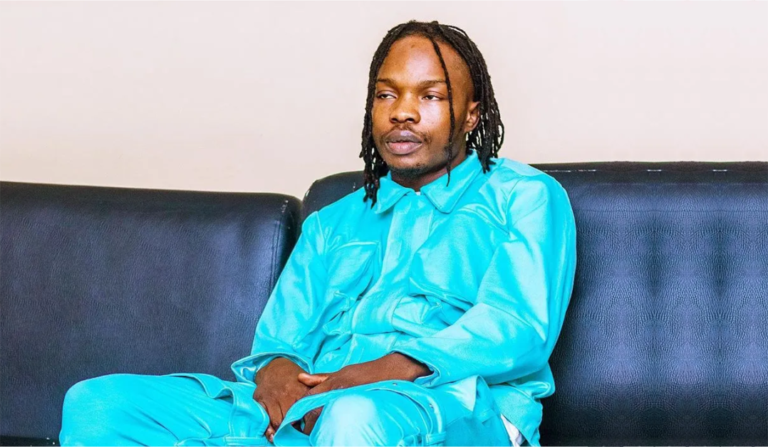
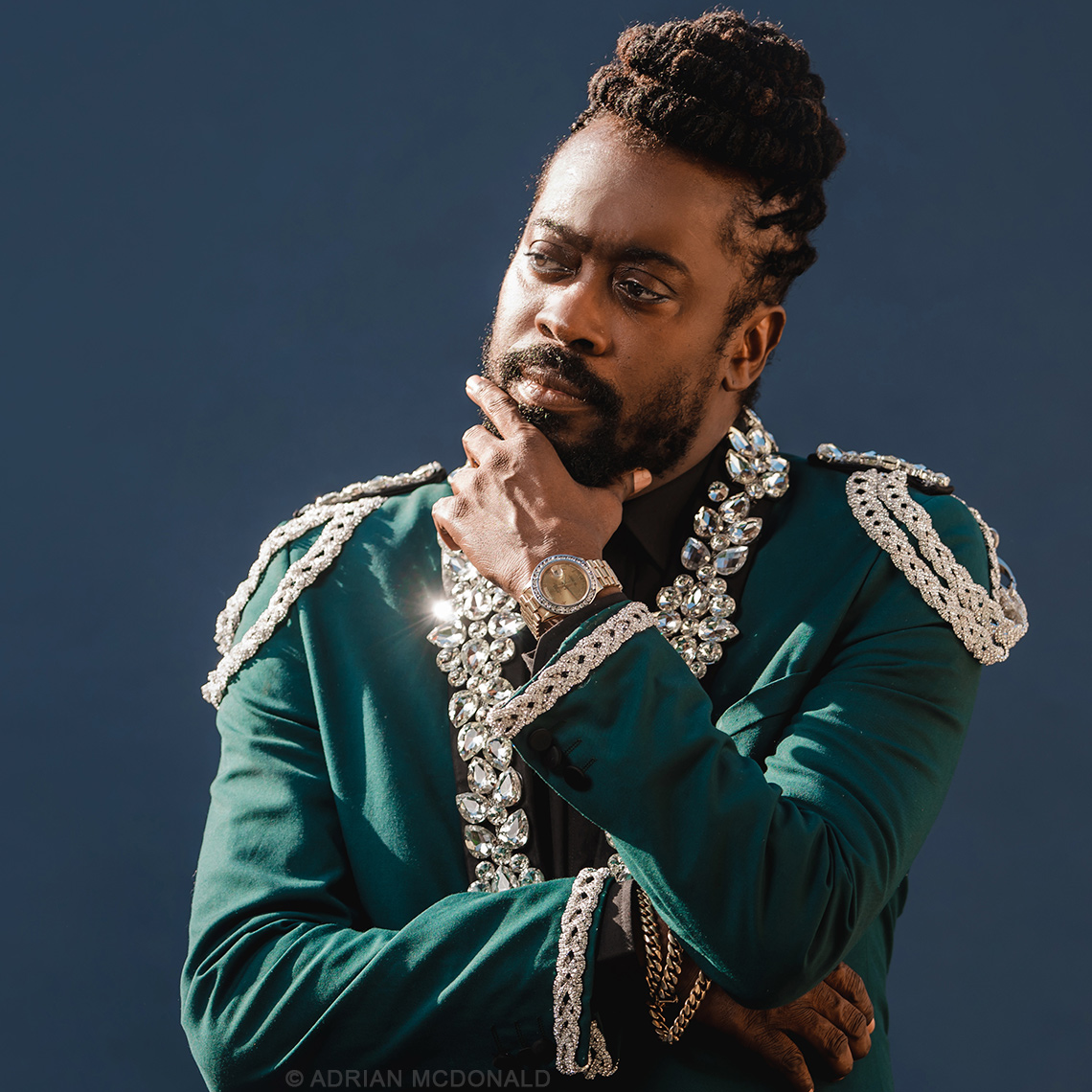
Beenie Man, born Anthony Moses Davis on August 22, 1973, is one of the most influential figures in the history of dancehall music. Emerging from the vibrant and often competitive sound system culture of Jamaica, he rose from a child prodigy in the 1980s to become one of the genre’s most recognizable global ambassadors. His career spans decades of hits, reinvention, controversy, awards, and cultural impact that helped shape modern dancehall and its international appeal.
Early Life and Musical Beginnings
Beenie Man was born and raised in Kingston, Jamaica, a city that has long been the heartbeat of reggae and dancehall music. From an early age, he was exposed to sound system culture, where DJs and selectors would compete using powerful speakers, rhythmic toasting, and exclusive dubplates. This environment played a crucial role in shaping his musical identity.
His uncle, Sydney Knowles, who was involved in music, recognized his talent early and helped nurture his interest. Beenie Man’s natural rhythm, lyrical confidence, and ability to improvise made him stand out even as a child. By the age of five, he was already performing publicly, and by the time he was ten, he had become a known figure in Jamaica’s competitive sound system circuit.
His breakthrough came after he won the Tastee Talent Contest in Jamaica in 1981, a competition that helped launch several reggae and dancehall artists. This victory gave him early recognition and set him on a professional path in music.
Rise as “Beenie Man the Doctor”
In the mid-to-late 1980s, Beenie Man recorded his first songs, working with legendary producers such as Henry “Junjo” Lawes and later Bunny Lee. His early style was heavily influenced by traditional dancehall rhythms and toasting techniques, where DJs chant or speak rhythmically over beats.
During this period, he earned the nickname “The Doctor,” a title that reflected his lyrical “healing” abilities and musical precision. He released several tracks as a teenager, including “Too Fancy” and “No Bed a Rose,” which began to establish his reputation in Jamaica’s growing dancehall scene.
Unlike many artists who struggle to transition from childhood fame to adult careers, Beenie Man managed to evolve. As he matured, his voice deepened and his lyrical content became more complex, shifting from playful childhood themes to more mature and sometimes controversial subject matter.
Breakthrough and Mainstream Success
The 1990s marked Beenie Man’s breakthrough into international recognition. Jamaica’s dancehall scene was becoming more globally visible, and Beenie Man was at the forefront of that movement. His energetic delivery, charismatic stage presence, and ability to adapt to evolving rhythms made him one of the genre’s leading figures.
Albums like “Blessed” (1995) and “Many Moods of Moses” (1997) helped solidify his reputation. These projects included a mix of dancehall hits and crossover-friendly tracks that introduced him to audiences outside Jamaica. Songs like “Who Am I (Sim Simma)” became global anthems, widely recognized even by listeners unfamiliar with dancehall culture.
“Who Am I” in particular became one of his signature songs. Built on a catchy riddim and memorable lyrical flow, it showcased Beenie Man’s ability to blend street credibility with mainstream appeal. The song also became widely sampled and referenced in global pop culture.
International Recognition and Grammy Success
As dancehall continued to gain global traction in the late 1990s and early 2000s, Beenie Man’s career reached new heights. He collaborated with several international artists, helping bridge Jamaican music with American hip-hop and R&B markets.
His 2000 album “Art and Life” was a major milestone. The album featured collaborations with artists like Wyclef Jean and Janet Jackson and included production that blended dancehall with hip-hop and pop influences. The project was critically acclaimed and won the Grammy Award for Best Reggae Album in 2001.
This Grammy win was significant not only for Beenie Man but also for dancehall music as a whole. It reinforced the genre’s global legitimacy and showcased its ability to compete on the international stage.
Musical Style and Influence
Beenie Man’s musical style is rooted in traditional Jamaican dancehall but is known for its versatility. He is a deejay (in the Jamaican sense, meaning a vocalist who toasts over riddims), and his flow is characterized by rhythmic precision, improvisation, and witty lyrical phrasing.
One of his defining strengths is his ability to adapt to different riddims. Dancehall music often relies on instrumental patterns called riddims, and multiple artists may record songs over the same beat. Beenie Man consistently stood out on these riddims, often producing versions that became the most popular.
His influence extends to modern artists in dancehall, reggae fusion, and even hip-hop. Many contemporary performers cite him as an inspiration for their rhythmic delivery and stage performance style. His ability to maintain relevance across decades has made him a reference point for longevity in Jamaican music.
Rivalries and Dancehall Culture
Dancehall music is known for its competitive nature, and Beenie Man was involved in several high-profile rivalries. One of the most notable was with fellow Jamaican artist Bounty Killer. Their rivalry dominated the late 1990s and early 2000s, fueling lyrical clashes and public performances that drew massive attention.
While such rivalries sometimes created tension, they also contributed to the culture’s visibility. In later years, Beenie Man and Bounty Killer famously reconciled and even performed together, symbolizing unity in the genre.
These clashes were part of a broader tradition in dancehall known as “sound clashes,” where DJs and artists compete lyrically. Beenie Man’s success in this arena reinforced his reputation as a skilled performer and lyrical strategist.
Global Tours and Cultural Impact
Throughout the 2000s and 2010s, Beenie Man toured extensively across Africa, Europe, North America, and the Caribbean. His performances helped spread dancehall culture globally, especially in regions where Jamaican music had a strong influence, such as the UK and parts of West Africa.
In countries like Nigeria and Ghana, his music became part of the foundation that influenced modern Afrobeats artists. His rhythmic style and party-oriented sound resonated strongly with African audiences, contributing to cross-cultural musical exchange.
Challenges and Controversies
Despite his success, Beenie Man’s career has not been without controversy. At various points, he faced criticism over some of his early lyrical content, particularly songs that were interpreted as promoting violence or discriminatory themes. These controversies affected some of his international touring opportunities and led to protests and canceled performances in certain countries during the early 2000s.
In response, Beenie Man has stated in interviews that his views evolved over time and that he moved away from such themes in his later music. This shift is reflected in his more recent work, which focuses more on celebration, unity, and social commentary.
Later Career and Legacy
In the 2010s and beyond, Beenie Man continued to release music and perform, though at a less aggressive commercial pace than his peak years. He remained active in the dancehall scene, collaborating with newer artists and participating in major reggae festivals such as Reggae Sumfest.
His legacy is firmly established as one of the greatest dancehall artists of all time. Alongside peers like Bounty Killer, Vybz Kartel, and Shabba Ranks, Beenie Man helped define the sound and global perception of dancehall music.
Conclusion
Beenie Man’s journey from a child prodigy in Kingston’s sound system culture to an internationally recognized Grammy-winning artist represents one of the most important success stories in Jamaican music history. His influence spans decades, continents, and genres, and his work continues to shape how dancehall is understood and appreciated globally.
He remains a central figure in the evolution of Caribbean music, not only for his hit songs but for his role in pushing dancehall into global consciousness.
Recommended: Earn From Your Phone
- Easy Dollar Maker — earn in dollars uploading AI images and videos from your phone ($17). Check it out
- Video Editing Blueprint for Beginners — learn video editing and start creating content ($10). Check it out
- CapCut Pro (Lifetime Access) — the pro video editor for your TikToks and music videos ($3.40). Check it out
Disclosure: These are affiliate links. If you buy through them, I may earn a commission at no extra cost to you.