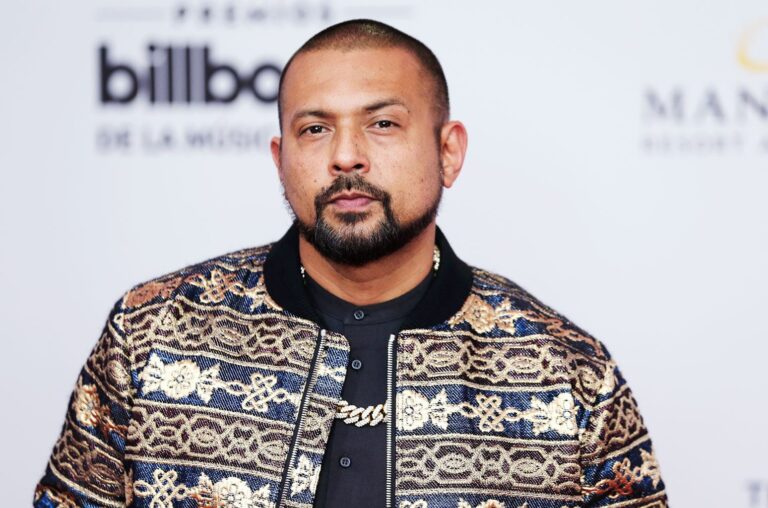
Phyno
Phyno
Phyno, born Chibuzor Nelson Azubuike on October 9, 1986, is one of Nigeria’s most influential hip-hop artists and a defining figure in the mainstream acceptance of indigenous rap in the country. Known for his distinctive use of the Igbo language in rap music, Phyno has built a career that bridges traditional Nigerian culture with modern hip-hop, creating a unique sound that resonates across Africa and beyond. His journey from a young music producer in Enugu State to an internationally recognized artist is a story of persistence, cultural pride, and creative evolution.
Phyno was born and raised in Enugu State, located in southeastern Nigeria, an area deeply rooted in Igbo culture. Growing up, he was exposed to a mix of traditional Nigerian music and Western influences such as hip-hop and R&B. This blend of sounds shaped his early musical identity. Although he initially aspired to become a pilot, his interest shifted toward music during his secondary school years. He began experimenting with music production, learning how to create beats using basic software and developing a strong foundation in sound engineering.
Before gaining recognition as a rapper, Phyno first made a name for himself as a producer. He moved to Lagos, Nigeria’s entertainment hub, to pursue a career in the music industry. In Lagos, he worked behind the scenes producing beats for several emerging artists. His production style was characterized by heavy percussion, rhythmic layering, and a fusion of hip-hop with Afrocentric elements. This production work helped him gain respect within the industry before he transitioned into rapping full-time.
Phyno’s decision to rap in Igbo rather than English or Pidgin English was a defining moment in his career. At a time when most Nigerian rappers were leaning heavily toward English to appeal to broader audiences, Phyno embraced his native language. This choice was both bold and strategic, as it allowed him to stand out in a competitive industry while also preserving cultural identity. His lyrical delivery, combined with his unique cadence, quickly attracted attention.
His breakthrough came around 2012 with the release of his debut single “Ghost Mode,” featuring fellow rapper Olamide. The collaboration between Phyno, who rapped in Igbo, and Olamide, who rapped in Yoruba, was groundbreaking. It showcased unity across Nigeria’s linguistic and cultural divides and demonstrated that indigenous languages could dominate mainstream hip-hop. “Ghost Mode” won several awards and established Phyno as a rising star in Nigerian music.
Following the success of “Ghost Mode,” Phyno released his debut studio album “No Guts No Glory” in 2014. The album was a commercial success and featured hit tracks like “Alobam,” “Parcel,” and “Man of the Year.” “Man of the Year” became particularly popular and solidified his status as a leading rapper in Nigeria. The album highlighted his versatility, blending hardcore rap with more melodic and commercially appealing sounds.
Phyno’s rise coincided with the global expansion of Afrobeats and African hip-hop. As the genre gained international attention, he became one of its key ambassadors. Unlike many artists who fully transitioned into singing to appeal to global audiences, Phyno maintained his rap identity, making him a rare figure in an industry often dominated by melodic pop influences. His consistency in using Igbo language has also made him a cultural icon among the Igbo people and a symbol of linguistic pride.
Over the years, Phyno has collaborated with numerous top artists across Africa and internationally. He has worked with artists such as Wizkid, Davido, Tiwa Savage, and other major figures in Nigerian music. These collaborations have helped him maintain relevance across different eras of the music industry. His ability to adapt while staying true to his core identity has been a key factor in his longevity.
In addition to his solo work, Phyno is also known for his contributions to shaping the careers of younger artists. He founded the record label Penthauze Music, which has signed and developed several talents, including artists like Zoro and Nuno. Through his label, he has played a mentorship role in the Nigerian music industry, helping to nurture new voices in hip-hop and Afro-fusion.
Phyno’s second studio album, “The Playmaker,” released in 2016, further cemented his place in the industry. The album featured hit songs like “Fada Fada” featuring Olamide, which became one of the biggest Nigerian songs of that year. “Fada Fada” was a cultural phenomenon, widely played across radio stations, clubs, and public events. Its success demonstrated Phyno’s ability to create music that resonates with both street audiences and mainstream listeners.
As his career progressed, Phyno continued to release successful projects, including “Deal With It” (2019) and “Something to Live For” (2021). These albums showed artistic maturity, with more introspective themes and refined production. While still maintaining his signature rap style, he began exploring more melodic elements and collaborations with singers, reflecting the evolving landscape of African music.
Beyond music, Phyno is known for his relatively private lifestyle. Unlike many celebrities who heavily engage in social media publicity, he maintains a low-profile personal life. This has contributed to his image as a serious artist focused more on craft than celebrity culture. Despite his fame, he is often described as humble and grounded, with strong ties to his hometown in Enugu.
Phyno’s influence extends beyond entertainment. He is widely regarded as a cultural ambassador for the Igbo language. By consistently rapping in Igbo, he has helped normalize indigenous language use in mainstream Nigerian music. This has inspired a new generation of artists to embrace their native languages without fear of commercial limitations. His work has contributed to a broader cultural movement that values authenticity and heritage in African music.
His impact is also visible in the Nigerian hip-hop industry, where he helped shift the narrative from Western imitation to indigenous innovation. Before artists like Phyno rose to prominence, Nigerian rap was heavily influenced by American hip-hop aesthetics. Phyno helped redefine what Nigerian rap could sound like, proving that local languages and cultural references could achieve mainstream success.
In terms of recognition, Phyno has received numerous awards and nominations throughout his career, including The Headies Awards, Nigeria Entertainment Awards, and MTV Africa Music Awards nominations. These accolades reflect his consistency and influence in the industry over more than a decade.
Phyno’s legacy continues to grow as he remains active in music and business. He is not only a performer but also a producer, songwriter, and label executive. His multifaceted role in the industry has made him one of the most respected figures in African music.
In summary, Phyno represents more than just a successful musician; he embodies cultural pride, linguistic preservation, and artistic evolution. From his early days as a producer in Enugu to becoming one of Africa’s leading rap icons, his journey reflects the power of authenticity in a globalized music industry. His contributions continue to shape the sound of Nigerian hip-hop and inspire future generations of artists who seek to balance cultural identity with global appeal.
Recommended: Earn From Your Phone
- Easy Dollar Maker — earn in dollars uploading AI images and videos from your phone ($17). Check it out
- Video Editing Blueprint for Beginners — learn video editing and start creating content ($10). Check it out
- CapCut Pro (Lifetime Access) — the pro video editor for your TikToks and music videos ($3.40). Check it out
Disclosure: These are affiliate links. If you buy through them, I may earn a commission at no extra cost to you.