Zlatan
Zlatan


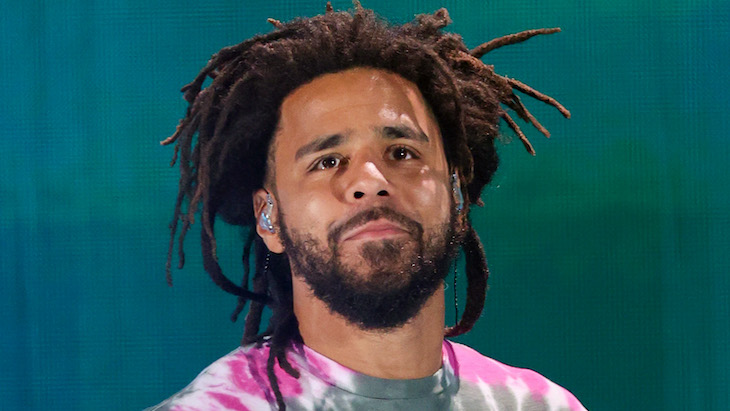
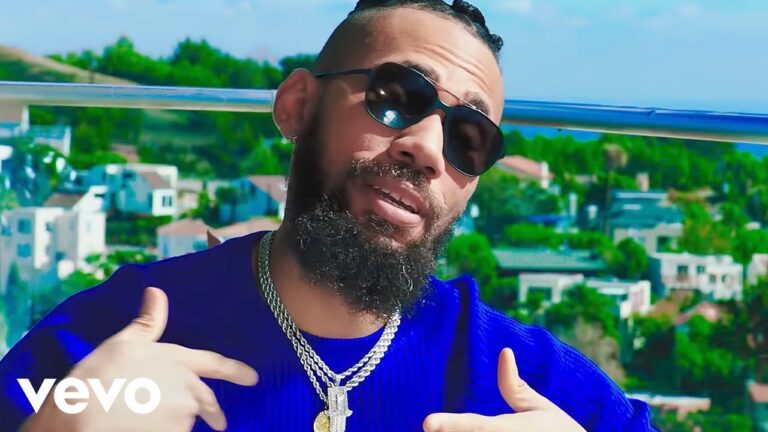
Zlatan, whose real name is Omoniyi Temidayo Raphael, is one of the most energetic, influential, and street-conscious musicians to emerge from the Nigerian music industry in the last decade. Known widely by his stage name “Zlatan” or “Zlatan Ibile,” the Nigerian rapper, singer, songwriter, and performer rose from humble beginnings to become a household name across Africa and beyond. His journey is a story of resilience, creativity, consistency, and a deep understanding of street culture, which has helped him build a powerful connection with millions of fans.
Born on December 19, 1994, in Lagos State, Nigeria, Zlatan was raised in the bustling city environment that would later shape his music and personality. Although he hails from Ekiti State in southwestern Nigeria, most of his upbringing happened in Lagos, particularly in areas where street culture and hustle mentality dominated everyday life. Growing up in a modest background, Zlatan experienced firsthand the realities of survival in Nigeria’s commercial capital. These early experiences would eventually become the foundation of his music, lyrics, and lifestyle branding.
Zlatan attended Moshood Abiola Polytechnic in Abeokuta, Ogun State, where he studied Business Administration. During his school years, he developed a strong passion for music and entertainment. Like many young Nigerian artists, he began participating in rap battles, local performances, and freestyle sessions around his neighborhood and campus. His unique blend of Yoruba slang, Pidgin English, humor, dance rhythms, and relatable storytelling quickly made him stand out among his peers.
His breakthrough journey officially began in 2014 when he won the “One Mic Campus Tour” music competition organized by veteran Nigerian rapper and actor D’banj. Winning the competition gave Zlatan confidence and exposure, proving that he had the talent and charisma needed to thrive in the highly competitive Nigerian music scene. However, success did not come overnight. For several years after the competition, he continued grinding independently, releasing songs and collaborating with underground artists while trying to gain mainstream recognition.
Zlatan’s rise to fame became more noticeable in 2017 and 2018 when he released several street anthems that resonated strongly with Nigerian youths. Songs like “My Body,” “Zanku,” and “Able God” helped establish his identity as one of the leaders of street-hop music in Nigeria. The release of “Able God,” a collaboration with Chinko Ekun and Lil Kesh, became a major turning point in his career. The song dominated clubs, parties, and radio stations across Nigeria, earning massive airplay and introducing Zlatan to a wider audience.
One of the biggest moments of Zlatan’s career came with the introduction and popularization of the “Zanku” movement. Zanku, which stands for “Zlatan Abeg No Kill Us,” became both a song and a dance style that swept across Nigeria and eventually spread internationally. The dance involved unique legwork movements and energetic body actions that became highly popular on social media platforms and in clubs. Zlatan’s ability to create trends and influence youth culture significantly boosted his reputation as more than just a musician. He became a cultural figure whose influence extended into fashion, dance, slang, and lifestyle.
The success of the Zanku movement led to the release of his hit song “Zanku (Leg Work)” in 2018. The track became one of the biggest songs in Nigeria that year and cemented Zlatan’s place among the country’s leading artists. His energetic performances, catchy hooks, and street credibility attracted collaborations with major Nigerian and international musicians. Over time, he worked with artists such as Davido, Burna Boy, Wizkid, Olamide, Tiwa Savage, and many others.
Beyond music, Zlatan is also recognized for his entrepreneurial mindset. In 2020, he launched his own record label known as Zanku Records. The establishment of the label demonstrated his ambition to build a lasting legacy in the entertainment industry while also supporting emerging talents. Under Zanku Records, Zlatan signed and collaborated with several artists and creatives, further expanding his influence within the Nigerian music ecosystem.
Musically, Zlatan is known for blending Afrobeat, hip-hop, street-hop, and indigenous Yoruba sounds into a vibrant style that appeals to both urban and grassroots audiences. His songs often focus on themes such as hustle, success, street life, enjoyment, loyalty, ambition, and survival. What makes Zlatan particularly unique is his ability to communicate directly with ordinary Nigerians using relatable language and street expressions. He understands the pulse of the streets and translates those experiences into music that feels authentic and energetic.
Another factor that contributed to Zlatan’s popularity is his stage presence and charisma. His live performances are usually filled with energy, dancing, crowd interaction, and excitement. Fans admire him not only for his music but also for his lively personality and confidence. His use of catchy catchphrases and humorous expressions has helped him maintain a strong social media presence and loyal fanbase.
Despite his success, Zlatan’s career has not been without controversy. In 2019, he was arrested alongside fellow Nigerian musician Naira Marley by the Economic and Financial Crimes Commission (EFCC) over allegations related to internet fraud activities. While the situation generated widespread media attention and public debate, Zlatan was later released without being formally charged. The incident, however, highlighted the intense scrutiny and pressure that often accompany celebrity life in Nigeria.
Over the years, Zlatan has continued releasing successful projects and hit songs. His debut studio album “Zanku” was released in 2019 and featured collaborations with several notable artists. The album showcased his versatility and ability to create club bangers, emotional tracks, and motivational street anthems. Songs from the project performed strongly on streaming platforms and music charts across Africa.
In 2021, Zlatan released another major project titled “Resan,” which further displayed his artistic growth and maturity. The album contained a mixture of energetic street songs and reflective tracks that explored deeper aspects of his life and journey. Fans and critics praised the project for its production quality and diversity. Zlatan’s consistency in releasing music has helped him remain relevant in an industry known for rapid changes and fierce competition.
Outside music, Zlatan has become a fashion and youth culture icon. His dressing style, hairstyles, jewelry, tattoos, and overall appearance have influenced many young fans. He frequently promotes luxury fashion brands while still maintaining strong connections to street culture. This combination of street authenticity and celebrity glamour has made him relatable to both grassroots supporters and mainstream audiences.
Zlatan is also known for his philanthropic gestures and support for fans. On several occasions, he has donated money, supported struggling individuals, and used his platform to encourage young people pursuing their dreams. Although he maintains a playful and energetic public image, many close observers recognize his dedication to hard work and self-improvement.
As Nigerian music continues to gain global recognition, Zlatan remains one of the important figures contributing to the international expansion of Afrobeats and street-hop music. His influence can be seen in the growing popularity of indigenous Nigerian sounds, street dance culture, and local slang in mainstream entertainment. Younger artists often cite him as an inspiration due to his originality, consistency, and fearless self-expression.
One of the strongest aspects of Zlatan’s story is his ability to transform ordinary street experiences into mainstream success. From participating in local rap battles to becoming one of Africa’s biggest entertainers, his journey reflects determination and belief in one’s talent. He has proven that artists do not need to completely abandon their roots to achieve international success. Instead, embracing authenticity and cultural identity can become a powerful advantage.
Today, Zlatan stands as one of the most recognizable names in Nigerian entertainment. His music continues to dominate clubs, streaming platforms, concerts, and social media trends. Whether through his energetic dance moves, catchy lyrics, or influential street slang, Zlatan has carved out a unique identity that distinguishes him from many other artists in the industry.
His legacy goes beyond hit songs and viral dances. Zlatan represents a generation of Nigerian youths who believe in hustle, resilience, creativity, and self-confidence despite economic and social challenges. Through music, he has given voice to everyday street experiences while inspiring millions to chase success without forgetting where they come from. As his career continues to evolve, Zlatan remains an influential force in African music and youth culture, with a journey that still holds immense potential for greater achievements in the years ahead.
Recommended: Earn From Your Phone
- Easy Dollar Maker — earn in dollars uploading AI images and videos from your phone ($17). Check it out
- Video Editing Blueprint for Beginners — learn video editing and start creating content ($10). Check it out
- CapCut Pro (Lifetime Access) — the pro video editor for your TikToks and music videos ($3.40). Check it out
Disclosure: These are affiliate links. If you buy through them, I may earn a commission at no extra cost to you.