Lucky Dube
Lucky Dube
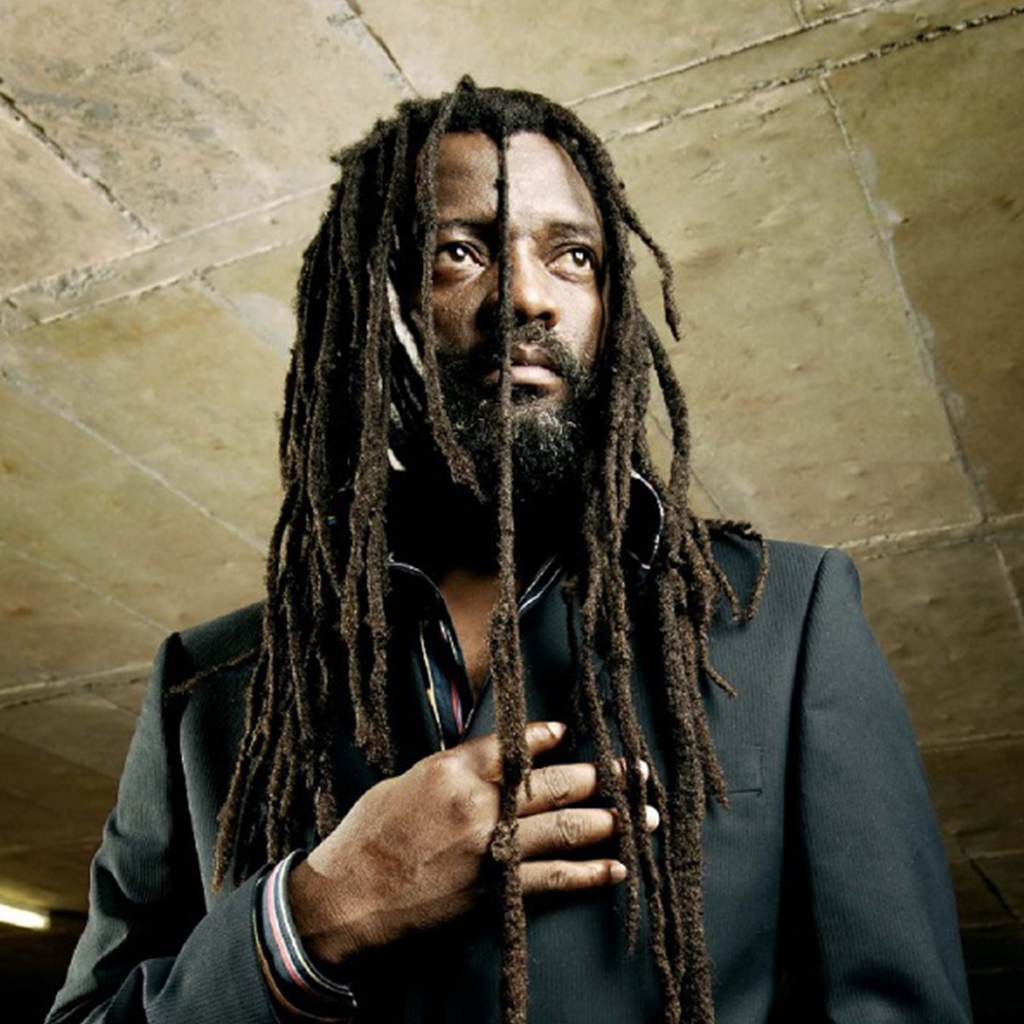
Lucky Dube was one of Africa’s most influential reggae voices and one of the continent’s most successful crossover artists. Born on August 3, 1964, in Ermelo, Mpumalanga, South Africa, Dube rose from a difficult childhood marked by poverty and instability to become a global symbol of socially conscious reggae music. Over the course of his career, he recorded more than 20 albums in Zulu, English, and Afrikaans, blending roots reggae with African musical traditions while addressing themes such as oppression, poverty, racism, spirituality, and social justice.
Early Life and Background
Lucky Philip Dube was raised primarily by his mother after his parents separated shortly after his birth. His early years were shaped by financial hardship, and like many children in his environment, he was exposed early to the struggles of inequality in apartheid-era South Africa. These experiences would later form the emotional and political backbone of much of his music.
As a child, Dube initially gravitated toward music in a very practical sense—he joined school choirs and participated in church music programs. At first, he was not a reggae artist at all. In fact, his earliest musical career began in the mid-1980s as a Zulu-language mbaqanga artist, a popular South African genre that blends traditional Zulu music with modern instrumentation. His first recordings were with the group The Love Brothers, where he served as both a performer and songwriter.
However, even in these early stages, Dube’s lyrical themes already reflected social consciousness. He often wrote about hardship, survival, and moral struggles within his community. These early works gained him attention in South Africa but had not yet brought international recognition.
Transition to Reggae Music
The turning point in Dube’s career came when he was introduced to reggae music through artists such as Bob Marley. The messages of resistance, unity, and social awareness in reggae deeply resonated with him. Inspired, he gradually shifted from mbaqanga to reggae, a move that would define his legacy.
His first major reggae album, Rastas Never Die (1985), marked the beginning of his transformation. While still rooted in African musical sensibilities, the album adopted the rhythm, tone, and philosophical foundations of reggae. It was a bold move at a time when reggae was still largely associated with Jamaica and had limited mainstream presence in South Africa.
His early reggae releases were initially met with skepticism locally, but Dube’s persistence paid off. He refined his sound, improved his production quality, and began to build a loyal fanbase. By the late 1980s, he was becoming one of South Africa’s most respected reggae voices.
Breakthrough and International Success
Dube’s international breakthrough came with the album Slave (1987). The album was a powerful critique of systemic oppression and inequality, reflecting the realities of apartheid South Africa. Songs like “Together As One” became anthems of unity and resistance, resonating far beyond South Africa’s borders.
The success of Slave positioned Dube as more than just a local artist. He became an international reggae figure, performing across Africa, Europe, and parts of the Caribbean. Unlike many African artists of the time, he managed to bridge the gap between African audiences and global reggae communities.
His 1993 album Victims further solidified his reputation. It included deeply emotional songs addressing domestic violence, broken families, and social injustice. The album demonstrated his ability to merge personal storytelling with broader societal commentary.
Peak Career and Musical Legacy
Throughout the 1990s and early 2000s, Lucky Dube released a series of highly successful albums, including Taxman, Trinity, Soul Taker, and Respect. Each project expanded his musical range while staying true to reggae’s core themes of resistance and hope.
His album Taxman (1997) was particularly notable for its critique of government corruption and economic inequality. The title track became widely popular, especially in African countries where economic challenges and governance issues mirrored the song’s message.
Dube’s music was distinctive not only for its message but also for its sound. He blended traditional reggae rhythms with African percussion and harmonies, creating a style that was uniquely his own. His voice, smooth yet powerful, carried emotional weight that made his songs both accessible and deeply moving.
He was also known for his live performances, which were energetic, emotionally charged, and spiritually uplifting. Audiences across the world described his concerts as transformative experiences.
Themes and Social Impact
A defining feature of Dube’s music was its strong social consciousness. He often addressed issues such as apartheid, racism, poverty, domestic violence, and political corruption. Unlike many artists who focused on entertainment alone, Dube saw music as a tool for education and change.
Songs like “Prisoner,” “Different Colours One People,” and “Remember Me” reflected his commitment to unity and human dignity. His message was not limited to South Africa; it resonated across Africa and the global diaspora.
During apartheid, his music became part of the cultural resistance movement. Even after apartheid ended in the early 1990s, Dube continued to highlight ongoing social inequalities, showing that political freedom did not automatically translate into economic or social justice.
Personal Life
Despite his fame, Dube maintained a relatively private personal life. He was married and had children, balancing his career with family responsibilities. Friends and colleagues often described him as humble, disciplined, and deeply committed to his craft.
He was also a practicing Christian, and spirituality played an important role in his worldview. While reggae is often associated with Rastafarianism, Dube adapted its spiritual themes in a way that aligned with his own beliefs, emphasizing morality, justice, and compassion.
Tragic Death
On October 18, 2007, Lucky Dube’s life was tragically cut short in Johannesburg, South Africa. He was killed during a failed carjacking attempt while dropping off his children. His death shocked the world and sent waves of grief through the global music community.
The incident highlighted the ongoing issue of violent crime in South Africa, adding a painful irony to the loss of an artist who had spent much of his life advocating for peace and unity.
Legacy and Influence
Despite his untimely death, Lucky Dube’s legacy continues to grow. He remains one of Africa’s best-selling reggae artists and one of the few African musicians to achieve sustained international success in the genre.
His influence can be seen in contemporary African reggae and Afro-fusion artists who continue to draw inspiration from his sound and message. Many musicians cite him as a pioneer who proved that African artists could successfully adapt global genres while maintaining cultural authenticity.
Posthumously, his music continues to be celebrated worldwide. His albums remain widely streamed, and his songs are frequently played at cultural events, reggae festivals, and social justice gatherings.
Conclusion
Lucky Dube was more than just a musician; he was a voice for the voiceless and a bridge between African musical traditions and global reggae culture. His journey from a struggling child in apartheid South Africa to an internationally recognized reggae icon is a testament to talent, resilience, and purpose.
Through his music, he addressed the deepest struggles of human society while offering messages of hope, unity, and resistance. Even after his death, his work continues to inspire generations, ensuring that his voice remains alive in the global cultural consciousness.
Recommended: Earn From Your Phone
- Easy Dollar Maker — earn in dollars uploading AI images and videos from your phone ($17). Check it out
- Video Editing Blueprint for Beginners — learn video editing and start creating content ($10). Check it out
- CapCut Pro (Lifetime Access) — the pro video editor for your TikToks and music videos ($3.40). Check it out
Disclosure: These are affiliate links. If you buy through them, I may earn a commission at no extra cost to you.